Does Vinegar Kill Roaches Fast? 10 Surprising Facts You Need!

Does vinegar kill roaches? It is a question many homeowners ask. They want a safe, chemical-free way to tackle these unwelcome invaders.
While vinegar may not directly kill roaches, it has powerful repellent properties. It also excels at cleaning, making it a game-changer in your pest control strategy.
So, are you ready to discover how vinegar works against roaches? Let us dive in.
Why Vinegar? The Natural Solution to Your Roach Problem
When it comes to pest control, many homeowners are turning to natural remedies to avoid harsh chemicals. Vinegar, a common household item, has gained popularity for its versatility and eco-friendly properties. But can it really tackle a roach infestation? Let us explore.
Does Vinegar Kill Roaches? The Truth Revealed
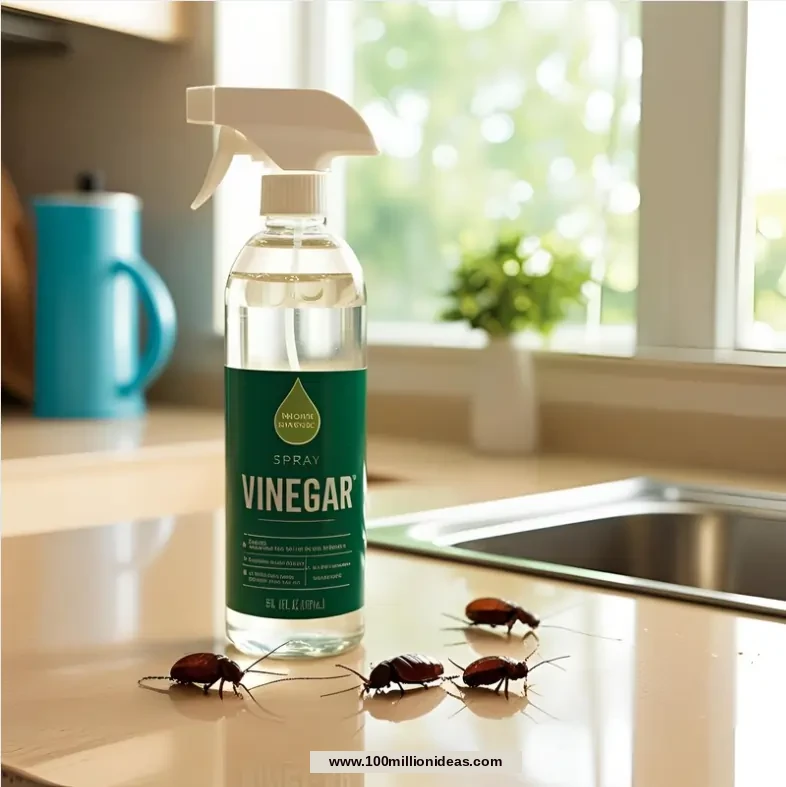
The short answer is no. Vinegar does not directly kill roaches. However, it is far from useless in the fight against these pests.
Vinegar acts as a powerful repellent and cleaning agent, making it an excellent tool for deterring roaches and preventing future infestations. Roaches are attracted to food residue, grease, and odours, and vinegar’s strong smell and acidic nature disrupt their scent trails, making your home less appealing to them.
How Does Vinegar Repel Roaches? The Science Behind It

Roaches rely heavily on their sense of smell to navigate and find food. Vinegar’s pungent odour masks these scent trails, confusing roaches and driving them away.
Vinegar’s acidity can also break down grease and grime, which are common attractants for roaches. By using vinegar to clean surfaces, you are essentially removing the “welcome mat” for roaches.
How to Use Vinegar to Repel Roaches: A Step-by-Step Guide
Ready to put vinegar to work? Follow these steps to maximise its effectiveness:

1. Create a Vinegar Cleaning Solution
Mix equal parts white vinegar and water in a spray bottle. This solution is safe for most surfaces and highly effective at cutting through grease and grime.
2. Clean High-Traffic Roach Areas
Spray the vinegar solution on countertops, floors, cabinets, and other areas where roaches are commonly seen. Pay special attention to cracks, crevices, and corners where roaches like to hide.
3. Wipe Down Surfaces
After spraying, wipe the surfaces clean with a cloth or sponge. This removes food particles and residue that attract roaches.
4. Use Vinegar Regularly to Keep Roaches Away
Clean your home with vinegar regularly to maintain a roach-free environment. Consistency is key to keeping these pests at bay.
Benefits of Using Vinegar for Roach Control
- Non-toxic and safe: Unlike chemical pesticides, vinegar is safe for use around children and pets.
- Cost-effective: Vinegar is an affordable solution compared with professional pest control services.
- Eco-friendly: It is a natural product that will not harm the environment.
- Multi-purpose: Vinegar not only repels roaches but also cleans and deodorises your home.
Limitations of Vinegar in Roach Control

While vinegar is a great tool, it is important to understand its limitations:
- Not a standalone solution: Vinegar will not kill roaches or eliminate a severe infestation.
- Temporary repellent: The smell of vinegar fades quickly, so regular reapplication is necessary.
- Odour sensitivity: Some people may find the strong smell of vinegar unpleasant.
Note: for severe infestations, consider combining vinegar with other pest control methods, such as bait traps or professional extermination.
Combining Vinegar with Other Natural Remedies
To boost the effectiveness of vinegar, try pairing it with these natural roach repellents:

1. Baking Soda and Sugar with Vinegar to Kill Roaches
Mix equal parts baking soda and sugar to create a bait. Roaches are attracted to the sugar but are killed by the baking soda.
2. Essential Oils and Vinegar to Kill Roaches
Peppermint, eucalyptus, and tea tree oils are known to repel roaches. Add a few drops to your vinegar solution for an extra punch.
3. Diatomaceous Earth
This natural powder dehydrates and kills roaches on contact. Sprinkle it in areas where roaches are active.
Will Apple Cider Vinegar for Roaches Work?

Apple cider vinegar (ACV) is another popular household item, but is it as effective as white vinegar for repelling roaches? The answer is yes — but with some caveats.
How to Use Apple Cider Vinegar to Kill Roaches
Mix ACV with water in a 1:1 ratio and use it as a cleaning solution. Its slightly sweet smell may not be as repulsive to roaches as white vinegar, but it still helps clean surfaces and remove food residue.
Do Cucumbers Get Rid of Roaches?

Cucumbers, especially their peels, can temporarily repel roaches because of their strong smell, which roaches dislike. Placing fresh cucumber peels in roach-prone areas may help deter them, but they dry out quickly and lose effectiveness.
For better results, pair cucumber peels with stronger repellents like vinegar or essential oils.
Indoor Plants That Keep Roaches Away
Did you know certain plants can naturally repel roaches? Adding them to your home not only enhances your decor but also helps keep pests at bay.

1. Bay Leaves
Roaches hate the smell of bay leaves. Place them in cabinets, drawers, and other roach-prone areas.
2. Catnip Plant
Catnip contains a compound called nepetalactone, which repels roaches. Grow it indoors or sprinkle dried catnip in problem areas.
3. Mint Plant
Mint plants, such as peppermint and spearmint, give off a strong scent that roaches find unbearable.
4. Lavender for Roaches
Lavender’s pleasant aroma for humans is a nightmare for roaches. Place potted lavender plants near entry points.
Natural Roach Repellent for Home
To keep roaches at bay naturally, adopt a multi-step strategy. Clean regularly with vinegar to remove food residue, and seal entry points to block their access. Use natural repellents like essential oils or diatomaceous earth, add roach-repelling plants like bay leaves or mint, and set up traps using baking soda and sugar. Keep the environment dry by fixing leaks and using dehumidifiers.
Does Vinegar Kill Roaches? FAQs
1. Can I use any type of vinegar?
White vinegar is the most effective because of its strong odour and acidity. Apple cider vinegar can also work but may not be as potent.
2. How often should I use vinegar to repel roaches?
For best results, clean with vinegar at least once a week, or more frequently if you have an active roach problem.
3. Will vinegar harm my pets?
Vinegar is generally safe for pets, but its strong smell may irritate them. Use it in moderation and make sure there is proper ventilation.