How To Get Rid Of Ants In Kitchen Naturally In 10 Minutes!
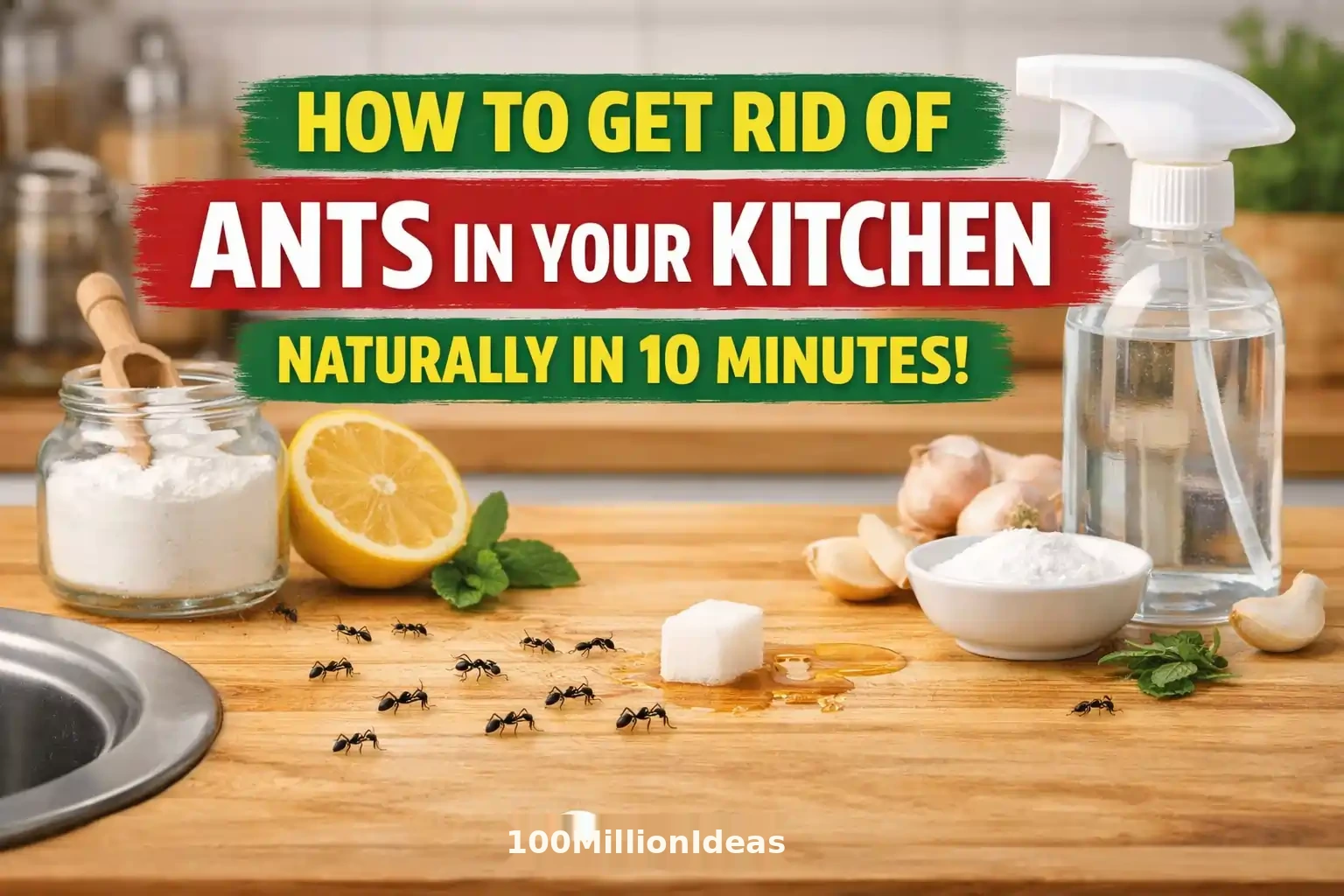
One day, when I was making my morning coffee, I spotted a tiny line of ants marching across the counter. It makes me scream!
If you have ever dealt with this madness, you know exactly what I am talking about. One day, your kitchen is fine, and the next day, an ant convention.
But here is what nobody tells you: you don’t need to panic, and you definitely don’t need those scary chemical sprays.
Stick with me, I will show you exactly how to get rid of ants and kick these little invaders out using stuff you have in your pantry. Sound good? Let’s do this!
Why Do Ants Come Into Your House In March?

Ants are like tiny soldiers sleeping underground all winter. When March comes, and the ground gets warm, they wake up super hungry.
Sometimes this march also brings rain, which floods ants’ underground homes, so they need somewhere dry to live.
This is the month when the queen ant starts making tons of baby ants. All those baby ants need food, and that is where your kitchen comes in.
When one ant finds your kitchen, it leaves a smelly trail that says, “Free food is available!” Your warm, cozy house looks perfect to them.
Winter makes tiny cracks in your walls and foundation. Those cracks are like open doors for ants. That is why March feels like an ant invasion time.
So you have got hungry ants, rainy weather, and cracks in your house. The good news? Learning how to get rid of ants naturally is easier than you think.
Different Types of Ants You Might Find in March
Different types of ants act differently. Here are the ones you will probably see.
1. Odorous House Ants

These are the most common ants you will find. They are tiny and dark brown or black. If you squash them, they smell like rotten coconut.
They love sugar and make long trails across your counters. They build nests both inside and outside.
2. Carpenter Ants

These are bigger than normal ants, sometimes half an inch long. They are black or reddish and sometimes have wings.
They don’t eat wood, but they chew through it to make their nests. That means they can damage your house.
If you see big black ants or sawdust near wood, you have got carpenter ants. These are serious. Call a professional right away. Don’t try to handle these yourself.
3. Pavement Ants

These are small brown or black ants that usually live in cracks in the sidewalk or driveway. They like both sweet stuff and greasy stuff.
You will see little piles of dirt around their outdoor nests. They come inside in March looking for food.
If you seal up your entry points and keep things clean, they will usually stay outside where they belong.
4. Sugar Ants

These are really tiny and pale yellow or light brown. They are tricky because if you attack them hard, their colony can split into multiple new colonies.
That actually makes your problem worse. They love warm, wet areas and build nests inside walls near water pipes.
They will eat almost anything. For these ants, it is better to use natural methods consistently rather than trying to kill them all at once.
5. Argentine Ants

These are light brown to dark brown, and they make huge colonies with lots of queens. They are stubborn and travel in big groups.
They love sweet food and commonly invade kitchens in spring. Because their colonies are so big, use multiple natural methods to get rid of ants.
6. Thief Ants

These are very small, and they are in yellow or light brown. They got their name because they steal food from other ant colonies.
They like protein and greasy food. Because they are so small, they can get through the tiniest cracks. You need to seal up every tiny gap to keep these out.
What Attracts Ants To Your Kitchen?

Do you know ants love your kitchen because of food crumbs, sugar spills, and open containers?
They are also searching for water from leaky pipes and wet surfaces. Once one ant finds food, it leaves a scent trail for hundreds more to follow.
Before you know it, your clean kitchen becomes their feeding ground! Don’t wait until ants take over your home.
Every day you delay, the problem gets worse. You need to get rid of ants immediately before they contaminate your food and multiply.
Stop sharing your kitchen with unwanted guests. Act now and enjoy an ant-free home where your family deserves to eat and cook safely!
How to Get Rid of Ants in Your Kitchen Naturally
Stop wasting money on those chemical sprays. I am going to teach you simple tricks to get rid of ants in the kitchen naturally.
1. White Vinegar and Water Solution
Grab a spray bottle and fill half of the bottle with white vinegar and the other half with water. Now start spraying this on every ant trail you see.
Why does this work? Ants leave invisible smell trails for other ants to follow. Vinegar erases those trails.
Do this for a week to get rid of ants in the kitchen naturally. Your kitchen will smell like salad dressing for about ten minutes, but then it goes away.
2. Lemon Juice Treatment
If you hate the vinegar smell, use lemon juice as an alternative. Squeeze some fresh lemons into a spray bottle and spray them everywhere you see ants.
The sour acid in lemons destroys their smell trails just like vinegar does, but it smells better. After you squeeze the lemons, don’t throw away the peels.
Put them near doors and windows where ants come in. Replace them every two days. Ants really hate the smell of lemons. It is one of their biggest weaknesses.
3. Baking Soda and Powdered Sugar Mix
This one is slippery, but it works like magic. Take equal amounts of baking soda and powdered sugar and mix them well.
The sugar attracts ants because they love it. They eat it and take it back to their nest. But here is the trick: the baking soda messes up their stomachs and kills them.
Just keep it away from pets and little kids. Replace it every few days until the ants are gone. This really helps get rid of ants in the kitchen naturally.
4. Use Essential Oils like Peppermint, Tea Tree, Cinnamon
Essential oils are like kryptonite for ants, but they are totally safe for your family. Get peppermint, tea tree, or cinnamon oil.
Put about ten drops in a spray bottle with water. Shake it well before you spray. Spray this around doors, windows, and anywhere ants walk.
The strong smell confuses the ants. You can also put drops of oil on cotton balls and stick them in corners and cabinets. Change them every few days.
5. Diatomaceous Earth Application

This is a fancy name for a simple powder made from old, crushed-up algae. You can buy it at hardware stores, just make sure you get the food-grade kind.
Sprinkle a thin line of this powder where ants come into your house. This powder is like walking on broken glass for ants. It cuts their outside shell, and they die.
This takes a little longer to work than some other methods, but it works really well to get rid of ants in the kitchen naturally and lasts a long time.
6. Cucumber Peel Deterrent
I know this sounds totally weird, but ants hate cucumbers. Peel a cucumber and put the peels near doors, windows, and anywhere you have seen ants.
Fresh peels work best. The stuff inside the cucumber peels makes ants run away. You have to replace these every day or two because they dry out and stop working.
This won’t kill the ants, but it makes a wall they won’t cross. It doesn’t cost much, and it is completely safe for everyone. Give it a try, you will be surprised.
7. Cinnamon Powder Barrier
Open your spice rack and grab that cinnamon. Sprinkle the powder along doors, windows, and anywhere ants are walking.
This smell confuses them, and they stay away. Cinnamon lasts long and is a very nice trick when you are trying to get rid of ants in the kitchen naturally.
You can also mix cinnamon with a little water to make a paste and fill in cracks. Your whole kitchen will smell like you are baking cookies.
8. Glass Cleaner and Liquid Detergent Mix
When you need to stop ants right now, this is your best weapon. Mix glass cleaner and dish soap in a spray bottle. Use about twice as much cleaner as soap.
Spray it right on the ants. It kills them instantly and washes away their scent trails. Keep this bottle ready, it is fast, and it works.
The soap breaks down their protective coating, and the cleaner erases their invisible trails. After you spray, wipe everything down to clean up the dead ants.
9. Onion and Garlic Juice
This one smells strong, but it gets the job done. Put a few garlic cloves and half an onion in a blender with some water.
Blend it up, strain out the chunks, and pour the liquid into a spray bottle. Spray this around doors and where you see ant trails.
The smell is so strong that it covers up the ants’ smell trails and makes them go away. You will need to spray this every couple of days because the smell fades.
10. Clove and Cotton Ball Method

Cloves have a super strong smell that ants can’t stand. You can use whole cloves or clove oil. If you are using whole cloves, just put them where ants walk.
If you have clove oil, put some drops on cotton balls and place those in cabinets, behind the fridge, and near places where ants might come in.
The smell messes them up, and they will avoid these spots completely. Change out the cloves or cotton balls every week to get rid of ants in the kitchen naturally.
11. Peppermint Toothpaste Line
This sounds crazy, but trust me, it works. Take peppermint toothpaste and draw a line with it along windowsills and doorways where ants come in.
Ants will not cross that line. The mint smell and the menthol completely shut down their ability to navigate.
This is temporary because the toothpaste dries out, but it is perfect for stopping an ant trail right away. This is an emergency ant control that really works.
12. Newspaper and Water Trap
This old trick really works when you have a lot of ants. Take some newspaper pages and wet them. Put them on the floor where you see ants.
Do this before you go to bed. Ants will crawl into the wet newspaper during the night because they are looking for water and a hiding place.
In the morning, the newspaper will be full of ants. Carefully pick it up and throw it away. This helps get rid of ants in the kitchen naturally without any chemicals.
How to Prevent Ants from Coming Back
Getting rid of ants is great, but keeping them away forever is even better. Here is how you do that.
13. Seal Entry Points and Cracks
Get some caulk from the hardware store and look at your kitchen for any cracks or holes. Check around pipes, outlets, baseboards, windows, and doors.
Even tiny cracks are like highways for ants. Fill in every crack you find with caulk. Pay more attention to where pipes come into your house. Ants love those spots.
Also, check the rubber strip at the bottom of your doors. If you can see light under your door, ants can get through. Fix or replace any worn-out strips.
14. Keep Kitchen Surfaces Clean
Wipe down your counters and table after every single meal. Don’t leave dirty dishes in the sink overnight. That is like leaving out a free buffet for ants.
Sweep and mop your floors frequently, especially in corners and under things where crumbs hide. If you spill something, clean it up right away.
Even tiny spills that you can see are like a feast for ants. A really clean kitchen means ants have no reason to visit.
15. Store Food Properly

Cardboard boxes and plastic bags in your pantry aren’t good at keeping ants out. Put your flour, sugar, cereal, pasta, and rice in containers with tight lids.
Don’t leave fruits out for days. Put them in the fridge or in sealed containers. Pet food attracts tons of ants.
Feed your pets at certain times instead of leaving food bowls out all day. This makes a water wall that ants can’t cross.
16. Fix Water Leaks and Moisture Issues
Ants need water just like they need food. Look under all your sinks for leaky pipes and fix them. Fix any dripping faucets.
Squeeze out sponges and dish towels completely after you use them so they are not sitting there all wet.
Even a small amount of water will attract ants, so fix every leak you find. If you take away water sources, they don’t come to your kitchen anymore.
17. Take Out Garbage Regularly
Don’t let your trash pile up. Empty your kitchen trash frequently, especially if there is food in it. Use trash cans with lids that close tightly without gaps.
Rinse out cans and bottles before you throw them away because the sticky stuff on them attracts ants like crazy.
Also, wash your actual trash can with soap and water every few weeks. If you have a compost bin, keep it far away from your house.
What Not to Do When Dealing with Kitchen Ants

Some things people do actually make the ant problem worse. Don’t make these mistakes.
1. Don’t just kill the ants you see and think you’re done: That’s like cutting just the top off a weed. The ant nest is still there, sending more ants. You have to destroy their trails and take away their food to really win.
2. Don’t ignore a few ants and hope they go away: They won’t. A few ants today means hundreds of ants tomorrow. Ant colonies grow very fast in spring, so you need to stop them early before it gets really bad.
3. Don’t run to the store for chemical sprays: I know you want the ants gone immediately, but those sprays can hurt your family and pets. The natural methods I showed you work just as well without the danger.
4. Don’t seal up cracks before you clean: If you fill cracks while the ant smell trails are still there, you are just trapping those smells inside. Clean everything first, then seal the cracks. The order matters.
how to get rid of ants: Professional help
I love helping you do this yourself, but sometimes you need to call the experts. Here is when:
- Call an exterminator if you have tried lots of natural methods for several weeks and ants keep coming back strong. This means there is an ant nest inside your walls.
- If you are seeing thousands of ants every day, that is way more than normal and needs professional help.
- If you see really big black ants, especially ones with wings, those might be carpenter ants that chew wood and damage your house.
- Ants are showing up in different rooms all over your house. This means the colony is probably living inside your walls somewhere, and professionals need to see.
- Don’t feel bad about calling for help when you need it. Sometimes the problem is just too big to handle alone.
How Long Does It Take Natural Methods to Work?
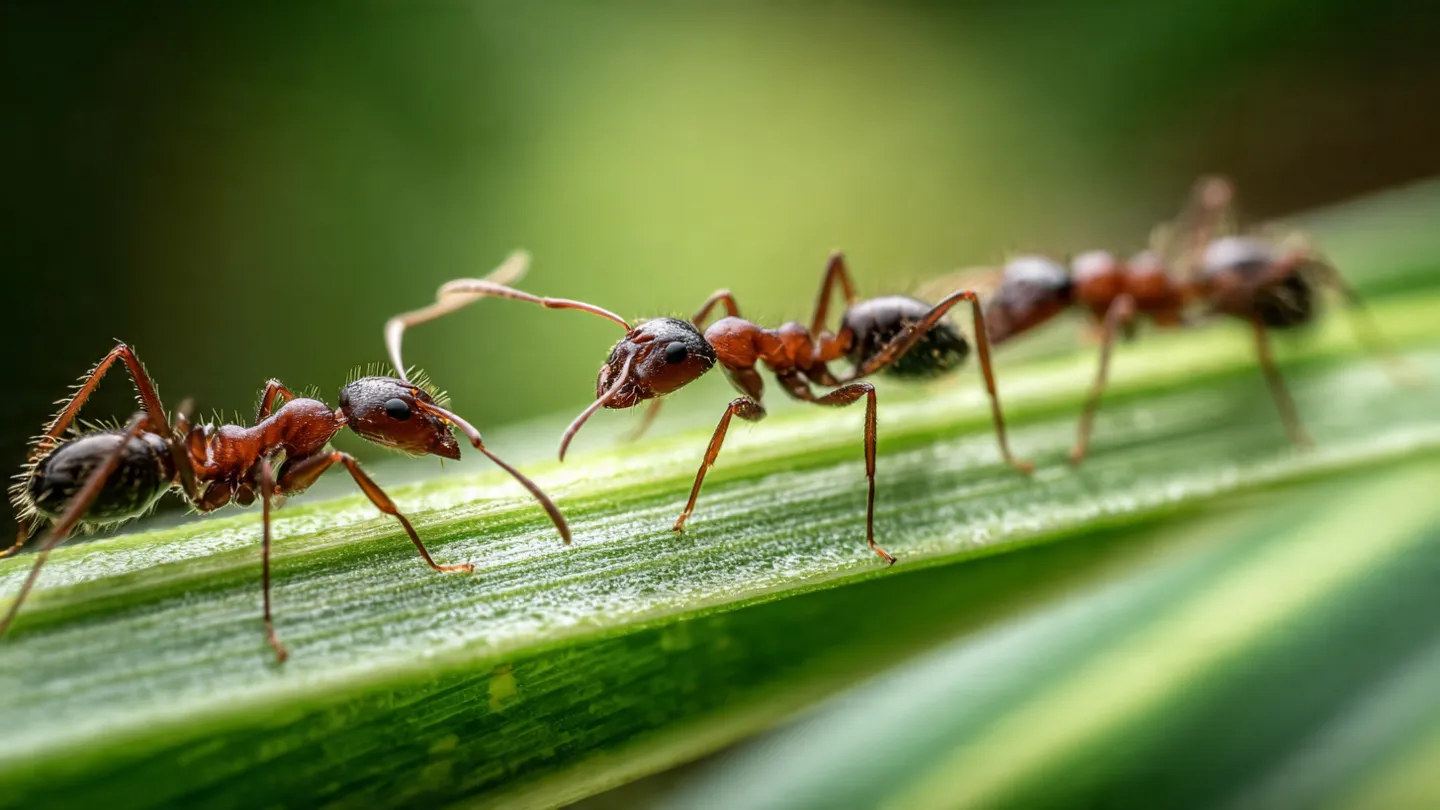
When you try to get rid of ants in the kitchen, naturally, natural methods don’t work instantly like chemical sprays. They work gradually.
Getting rid of all the ants usually takes one to two weeks, depending on how big the ant colony is and how well you follow the steps.
Some methods work faster than others. Vinegar spray and diatomaceous earth mess up the ants quickly. Things like cucumber peels and cinnamon work slowly.
Natural solutions take a bit longer, but they are way safer for your family, and they actually solve the problem instead of just temporarily covering it up.
So what do you want, quick relief that doesn’t last and uses dangerous chemicals? Or real solutions that take a little longer but actually work for good?
Are Natural Ant Remedies Safe for Pets and Children?
It is very safe to get rid of ants from the kitchen naturally. Vinegar, lemon juice, soap, cucumbers, and cinnamon are completely safe.
If your dog licks these off the floor, nothing bad will happen. If your little one touches something you sprayed, you don’t need to panic.
Don’t let pets or kids drink the oil straight from the bottle, and don’t put it on their skin without mixing it with water first.
Diatomaceous earth is food-grade, which means it is safe to eat. Pour baking soda and sugar where pets and little kids can’t reach it just to be safe.
Now think about those chemical ant sprays from the store. The labels say things like Keep kids and pets away for hours and “Don’t spray where you make food.”
Those are actual poisons. With natural methods, if someone accidentally touches something, you don’t have to rush to the hospital.
Conclusion: How to get rid of ants
Ants won’t just give up and leave. They are stubborn little bugs. Everything you need to get rid of ants in the kitchen naturally is right here in this guide.
The methods work. The prevention tips work. Pick three methods from this guide right now and start using them today. Do it every single day for one whole week.
You will be amazed at what happens. You don’t need those dangerous chemical sprays. March doesn’t have to be the ant season at your house.
You will have an ant-free kitchen all spring and summer. You have got the knowledge. You have got the tools. Now prove you have got what it takes. Start today.
FAQ’S About how to get rid of ants in the kitchen naturally

1. How do I find where ants are coming from?
Be a detective. Follow the ant trail from your kitchen and watch where they go. Be patient, and they will show you their entry point. Common spots are cracks in baseboards, gaps around windows and doors, holes around pipes, and cracks in the foundation.
2. Will ants go away on their own?
Never. Stop hoping for this. Once ants figure out your kitchen has food, they will keep coming back until you make them stop. The colony keeps sending out ants as long as they keep finding food. You have to take action, get rid of their food, block their entry points, and destroy their scent trails.
3. Does killing ants attract more ants?
Killing one ant doesn’t directly make more ants come, but it can release a smell that alerts other nearby ants. The bigger problem is that killing the ants you can see doesn’t hurt the colony at all. That is why getting rid of their trails and food sources works way better than just killing every ant you see.
4. Why do I still see ants after cleaning?
If you still see ants after cleaning, it usually means their smell trails are still active, or there is food somewhere you haven’t found yet. Ants can smell food that is so tiny. Keep using the natural methods every day, seal up entry points, and make sure all your food is in containers with tight lids.
5. Can I use regular salt to kill ants?
Table salt works a little bit. It dries out ants when they touch it. You can sprinkle salt where ants come in or mix it with water and spray it on ants. But honestly, it is not the best natural method you can use.
6. Do ants come back every March?
Ants follow the same pattern every year, so yes, you might see more ants each spring if nothing changes. If you do prevention stuff before spring arrives, you can stop ants before they even become a problem.