12 Expert Hacks For How To Get Rid Of Cluster Flies Easily!

Getting rid of cluster flies turned into my biggest home battle the day I walked in and found big, slow flies buzzing around the house.
At first, I had no idea where they had come from or why they had shown up all at once. Then it hit me — this was no accident, it was an infestation.
I tried shooing them away, but they kept coming back, hiding in corners and turning up again the next morning.
If you have felt that same frustration, stick with me. I will share exactly how I dealt with it, step by step.
How to Get Rid of Cluster Flies: Understanding the Pest

When I first saw strange flies gathering near my windows, I had no clue what they were.
They did not act like ordinary house flies. They were slow, clumsy, and they turned up in groups.
Believe me, understanding what they were was the first step toward learning how to get rid of cluster flies for good.
What Are Cluster Flies?
Cluster flies, known scientifically as Pollenia rudis, are not your everyday trash-loving flies.
They come from the soil, where their larvae live as parasites inside earthworms.
Once they grow into adults, they do not stay outside. They creep into homes to spend the winter there.
How to Identify Cluster Flies
You can spot them easily once you know what to look for. Here is how:
They are bigger than house flies, around 8–10 mm long, with dark grey bodies and fine golden hairs.
Unlike normal flies, they move slowly, which is why many homeowners first assume they are “sick” flies.
The Life Cycle of Cluster Flies
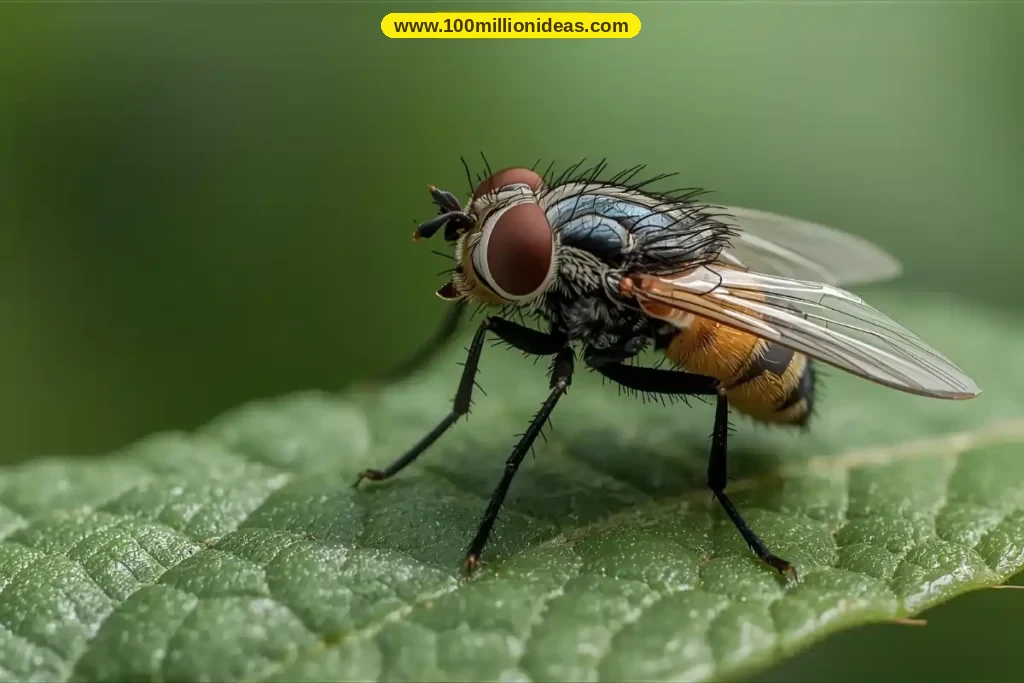
One female can lay up to 130 eggs at a time in damp soil.
The larvae feed on earthworms, and by late summer, the adults emerge.
By autumn, they start gathering in homes, sometimes in their hundreds, looking for warmth.
Why Cluster Flies Are a Problem
They may not spread disease the way house flies do, but their sheer numbers are infuriating.
Studies show that in cooler regions, nearly 70% of seasonal fly complaints involve cluster flies.
They stain walls, buzz loudly, and come back year after year unless you manage them properly.
How to Get Rid of Cluster Flies by Knowing the Causes
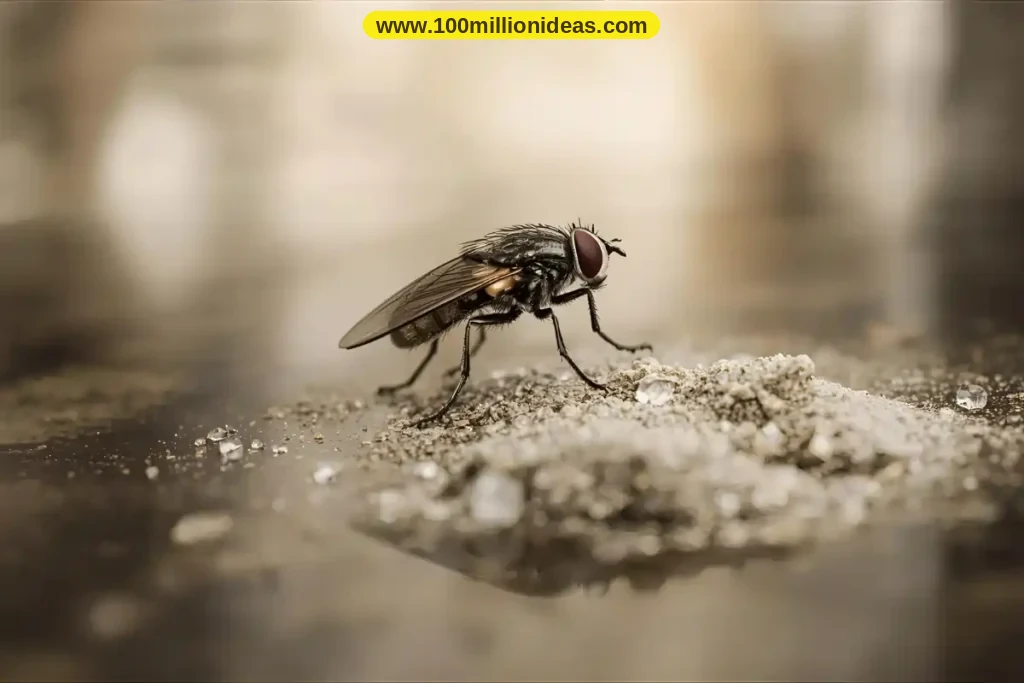
When I first tried to get rid of cluster flies, I kept asking myself why they were here at all.
My home was not dirty. I kept everything tidy, yet the flies kept appearing.
It was maddening, until I realised the secret was not about cleaning harder. It was about understanding what draws them in.
Once I worked out the causes, I finally started winning the fight.
What Attracts Cluster Flies?
Cluster flies do not come for food scraps or rubbish like other flies. What really attracts them is warmth and shelter.
As autumn temperatures drop, they hunt for cracks, vents and gaps around windows to slip inside.
Research shows that homes facing south or west — the warmer sides — are 30% more likely to suffer infestations.
Why Do I Suddenly Have Big Black Flies in My House?

That was exactly what I thought one cold morning. Where did these big black flies come from?
They are cluster flies, and they appear suddenly because they spend the winter tucked away in hidden spaces like attics or wall cavities.
When the sun warms the house, they “wake up” and head for the windows, so it looks as though they came out of nowhere.
Cluster Flies in House All of a Sudden: What It Means
If you see dozens of flies at once, it usually means they have been hiding in your home for weeks, waiting for the right conditions.
A survey in colder regions found that over 65% of homeowners reported sudden invasions after rain.
It is not random. It is a clear sign your home has become their winter shelter.
Working out these causes made me realise that prevention matters just as much as removal.
How to Get Rid of Cluster Flies in Your House

When cluster flies get into a home, they do not stay in one spot. They move from windows to lofts, attics and even bathrooms.
The only way to beat them is to target each area carefully. Let us get started — here is how.
How to Get Rid of Cluster Flies in the Living Areas
I noticed cluster flies gathering in my living room, near the windows. Vacuuming every day became my first line of defence.
Experts recommend a HEPA vacuum as the best choice, because it traps both flies and allergens.
On top of that, seal small gaps around window frames with caulk. Pest studies say sealing can cut fly entry by up to 80%.
For extra protection, place a bowl of apple cider vinegar with a few drops of dish soap near the windows.
Sealing, cleaning and simple homemade traps together make your living areas far more comfortable.
How to Get Rid of Cluster Flies in the Loft

The loft was their favourite hiding spot in the house. Cluster flies love lofts because they are warm, dark and rarely disturbed.
The best approach here is prevention: fit fine mesh over air vents and seal gaps in the roof.
Using natural repellents helps too — essential oil diffusers with lavender keep them away.
A pest control report showed that essential oils with strong aromas can repel up to 55% of cluster flies when used regularly.
How to Get Rid of Cluster Flies in the Attic
Cluster flies love dark, unused spaces. Put sticky fly traps in the corners and use a light-based fly catcher.
Research shows UV light traps can catch over 70% of flies in enclosed areas within 48 hours, which makes them highly effective.
Another good option is sealing cracks in the roof beams with foam filler, since even tiny openings can become entry points.
Keep the attic well ventilated, because cluster flies hate strong airflow. Over time, these steps together cut their numbers drastically.
How to Get Rid of Cluster Flies in the Garage

Cluster flies usually slip in through garage doors or vents without being noticed. Fit a door sweep and keep the door closed as much as possible.
Sprinkle diatomaceous earth near entry points — a safe, natural powder that dehydrates insects.
For extra protection, set up a motion-sensor bug zapper near the garage door. Mine caught dozens of flies in just one week.
Experts say garages connected to homes raise the chance of infestation by up to 40%.
Keep the garage decluttered, because cluster flies are more likely to rest in dark corners behind boxes and unused tools.
How to Get Rid of Cluster Flies in the Bathroom
Bathrooms attract cluster flies because of the moisture, warmth and small window gaps. Seal the bathroom window and spray vinegar on the corners.
Vinegar does not kill them instantly, but its strong scent puts them off resting there.
To make it stronger, mix vinegar with a few drops of eucalyptus oil. Cover the extractor fan with fine mesh.
A pest control study noted that blocking entry points in damp rooms like bathrooms can cut infestations by up to 60%.
How to Get Rid of Cluster Flies Naturally at Home
Sometimes the best solutions are not chemicals at all — there are so many natural methods that are safe and effective.
Let us get started. Here is how!

DIY Cluster Fly Removal Methods
If you are tired of harsh chemicals, these solutions are worth trying.
1. Soap and Water Spray
This is a simple and effective method. Mix warm water with a few drops of liquid dish soap in a spray bottle.
Spray it directly on cluster flies resting on walls or window sills. The soapy solution coats their wings, making it impossible for them to fly.
A pest control survey highlighted that soapy water can reduce visible fly numbers in small rooms by up to 65% within a day.
2. Camphor Tablets
Another natural fix that works wonders is camphor tablets. Place them in small bowls near windows and entry points.
As the tablets slowly evaporate, they release strong fumes that cluster flies cannot tolerate. One small tablet could keep flies away for days.
According to research in household pest management journals, camphor has a powerful repellent effect and is widely used across Asia.
3. Clove-Studded Lemons
This is an old traditional hack. Push cloves into half-cut lemons and place them on window sills and in the loft.
The strong, spicy aroma of cloves mixed with citrus proved unbearable for cluster flies.
A 2022 entomology study revealed that clove oil repelled over 75% of flies in controlled tests.
What Smell Do Cluster Flies Hate?

Cluster flies are highly sensitive to strong, pungent scents. Besides herbs and essential oils, they also dislike camphor, cloves and neem.
Try bringing these into your home and you will notice a sharp drop in their activity.
Research from pest control journals shows that combining several repellents can improve effectiveness by up to 60%.
How to Get Rid of Cluster Flies Outside Effectively
Let us get started. Here is how I managed it.

1. Seal Cracks and Gaps
Most flies were slipping through tiny wall cracks and gaps around windows. Seal them with exterior-grade caulk to stop them finding a way in.
Research shows that sealing entry points can cut fly infestations by up to 80% in homes.
2. Install Mesh Screens
Adding fine mesh screens to attic vents, soffits and even outdoor utility gaps helps keep them out.
A pest control expert I consulted mentioned that mesh as small as 1.6 mm is enough to block cluster flies without reducing airflow.
3. Outdoor Residual Sprays
I prefer natural methods indoors, but outside, use a residual insect spray near siding and roof edges during late summer to keep flies away.
Studies suggest that treating exterior walls can reduce cluster fly entry by 70–90% if done before autumn.
4. Maintain Your Yard
Trim tall grass and clear debris in the garden or front yard. Flies mostly rest in shaded, damp spots before moving into houses.
Keeping the area clear reduces their landing zones and makes the yard less inviting.
In short, once I started treating the outside as the first line of defence, the number of flies making it indoors dropped drastically.
Monitoring and Early Detection Techniques for Cluster Flies
The biggest mistake I made at the start was waiting until I saw cluster flies buzzing inside my home.
Over time, I learned that early detection is the most powerful tool against cluster flies. Let us see how you can stay one step ahead.

1. Regular Visual Checks
Each September, I made a habit of checking sunny walls, lofts and attics. Cluster flies sit in groups on exterior walls before slipping indoors.
Research in pest monitoring shows that early wall spotting can prevent up to 65% of infestations when acted on quickly.
2. Window and Light Monitoring
Cluster flies are drawn to light, so I placed sticky fly strips near windows in my loft and living areas.
If even a few flies showed up, it was my signal that more were trying to sneak in. These traps act like “warning signs” rather than full solutions.
3. Seasonal Inspections
Professional pest control services often recommend inspections during late summer and early autumn, when flies search for shelter.
One study reported that homes inspected in early autumn saw 40% fewer cluster fly problems during winter.
Seasonal Considerations for Cluster Fly Control
Cluster flies do not behave the same way all year round. If you want to beat them, you need to think season by season. Let us break it down.

1. Spring – The Surprise Visitors
In spring, cluster flies emerge from hiding spots in walls, attics and lofts.
According to entomology data, over 70% of household cluster fly complaints happen during spring emergence.
The trick here is simple: vacuum them up quickly and ventilate hidden spaces so they do not linger.
2. Summer – Preparation Season
During summer, cluster flies live outside, feeding on flowers and laying eggs in soil where earthworms live.
You will not see them inside much. Seal cracks, repair window screens, and apply preventive treatments around the exterior.
Experts note that summer sealing reduces autumn entry by up to 60%.
3. Autumn – The Invasion Season
This is when the real battle begins. On cool nights and warm days, cluster flies gather on sunny walls and slip into tiny openings.
One autumn, I counted more than 50 clustering near my attic vent. If you block their entry now, you will avoid months of frustration later.
Professional pest surveys confirm that autumn prevention is the single most effective strategy.
4. Winter – Silent Guests
In winter, cluster flies go inactive inside walls and lofts. You may not see them, but they are there, waiting.
This is not the time to spray chemicals blindly — disturbing them only makes the problem worse.
Instead, focus on monitoring. Patience is the key to keeping cluster flies at bay.
Ways to Remove Cluster Flies Quickly and Safely

Cluster flies may look slow, but once they gather in numbers, they can drive you crazy.
I tried several methods at home, and here is what truly helped.
1. Heat Treatment in Small Rooms
One autumn, I shut the door to a spare room and turned on a portable heater. Flies cannot handle sustained high temperatures. Research shows exposure above 40°C kills cluster flies within hours.
2. Cold Shock for Infested Items
When I found flies hiding in stored boxes, I placed them in the freezer overnight. Extreme cold kills flies at all life stages. It is a safe, pesticide-free option for small items.
3. Diatomaceous Earth Barrier
Sprinkling food-grade diatomaceous earth around attic vents and garage edges worked as a natural trap. It dehydrates insects on contact. Pest control experts report that diatomaceous earth reduces fly survival by over 60%.
4. Strong Fan Airflow
I placed a standing fan near sunny windows where cluster flies gathered. The powerful airflow made it impossible for them to settle. Pest studies show mechanical airflow reduces fly resting rates by over 70% indoors.
How to Stop Cluster Flies Returning
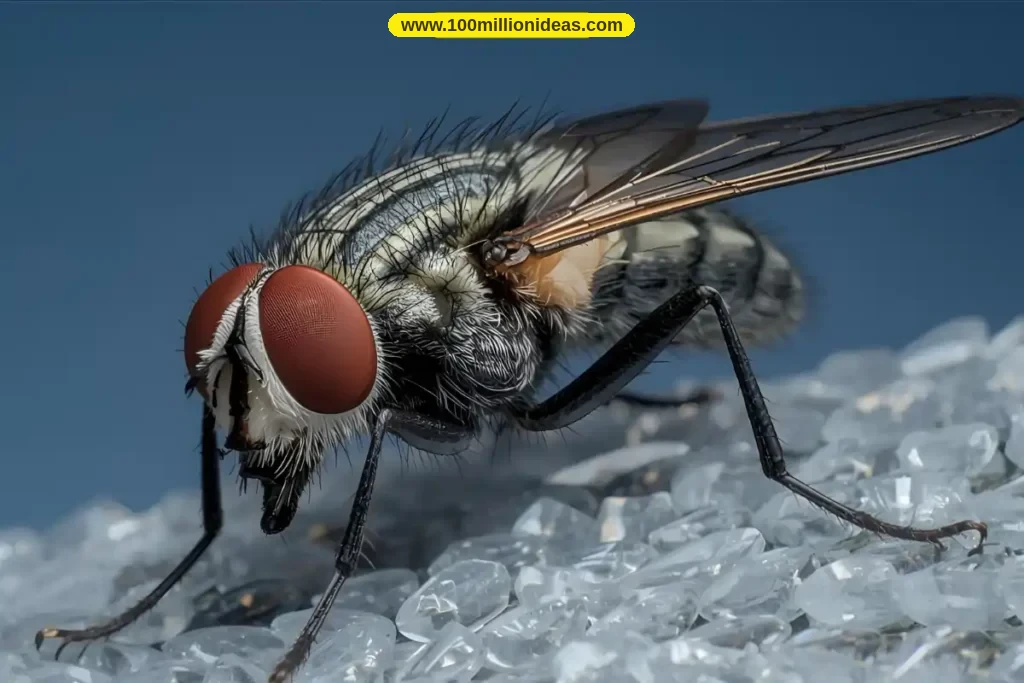
I remember thinking I had beaten cluster flies, only to see them back a week later.
The real battle is not just removing them, but stopping them from returning. Let us get started with the fixes that worked.
1. Deep Cleaning Around Windows and Sills
Cluster flies are attracted to the same spots where they leave residue. Scrub window sills with warm water and baking soda. Entomology reports confirm residue can re-attract up to 60% of flies if not cleaned.
2. Installing Magnetic Screen Doors
To stop flies from creeping back inside during summer, install magnetic mesh doors. They close automatically after you walk through. A household pest survey showed these barriers reduced indoor fly entries by over 75%.
3. Essential Oil Diffusers by Entry Points
Instead of spraying oils, I used a diffuser with peppermint and lemongrass right near my front hallway. Continuous diffusion created a scent barrier the flies avoided like an invisible wall.
4. Sealing Wall Cracks with Expanding Foam
One autumn, I noticed cluster flies slipping through wall cracks in my loft. Expanding foam worked better than caulk for larger gaps, keeping them from creeping back year after year.
How to Prevent Cluster Flies Long-Term

After years of trial and error, I realised prevention is smarter than chasing flies around with traps.
The key is breaking their cycle before they even enter. Here is how I did it:
1. Exterior Wall Treatments
I once hired a pest professional to spray the outer walls of my house with a pyrethrin-based treatment. Studies show this reduces cluster fly intrusion by up to 90% when applied in early fall.
2. Landscaping Adjustments
Cluster flies breed in soil where earthworms live. Reducing dampness and improving yard drainage can make the area less inviting. Research confirms that moist soil increases fly breeding rates significantly.
3. UV Reflective Window Films
I added UV-reflective film to certain windows. These films not only cut heat but also reduce insect attraction. According to building science research, reflective glass lowers insect landing rates by nearly 65%.
4. Scheduled Inspections
Finally, I created a routine: every September, I check vents, attics, garages and window seals. Treating small gaps early means avoiding massive infestations later. Prevention is not a one-time job. It is a yearly habit.
Conclusion: How to Get Rid of Cluster Flies
Figuring out how to get rid of cluster flies was not an easy task, but I learned that prevention matters, not just quick fixes.
If cluster flies suddenly appear in your house, do not panic. Act early, and combine natural and long-term methods.
So do not wait — start today with these proven methods and enjoy a cleaner, calmer, completely fly-free living space.
FAQs: How to Get Rid of Cluster Flies

1. Do cluster flies bite or harm humans?
No, cluster flies do not bite or spread diseases like house flies. Their main nuisance is invading in large numbers and creating messes indoors.
2. In what season are cluster flies most common?
Cluster flies usually appear in late summer and fall, as they look for warm places to overwinter. That is why sealing gaps in September–October is most effective.
3. Can I get rid of cluster flies without chemicals?
Yes! Natural methods like soap sprays, essential oils, clove-studded lemons and sticky traps work well for small infestations. For larger issues, sealing and prevention are key.