How To Get Rid Of Blister Beetles: 24 Insane Tricks To Work!

If you have ever asked yourself how to get rid of blister beetles, you are not the only one. Every gardener who has found these pests chewing through their plants knows the frustration.
They do far more than damage crops. The toxic fluid they release can raise painful blisters on your skin if you touch them.
If you are fed up with fighting these invaders, now is the moment to deal with them properly.
In this guide, I will walk you through exactly how to wipe out blister beetles using natural and organic methods that actually work.
What Are Blister Beetles?

Blister beetles belong to the Meloidae family, a group of insects famous for one nasty defence.
They can release a poisonous substance called cantharidin, which is what gives them their name.
That chemical can raise painful blisters on human skin, and it is seriously poisonous to animals that swallow it.
You will come across them in gardens, on farms, and sometimes even inside the house, which is why they are such a headache.
What Attracts Blister Beetles
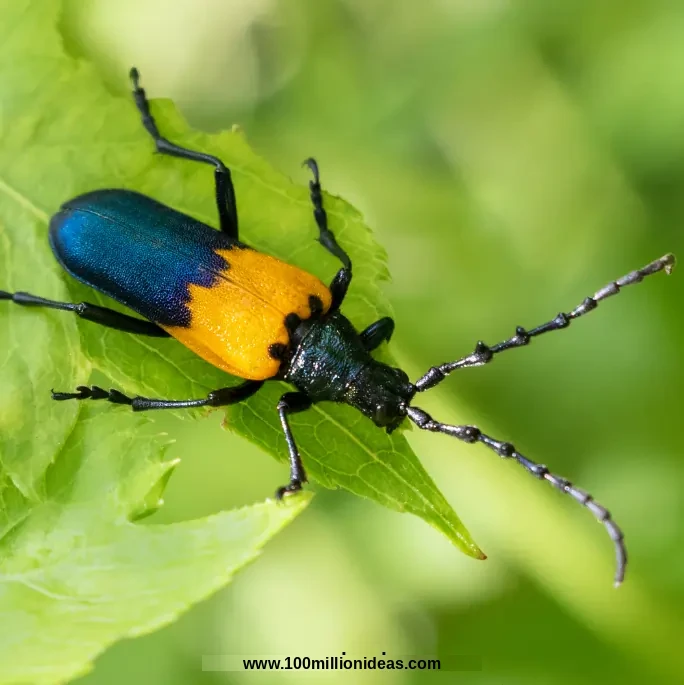
Flowering plants are the big draw for blister beetles, above all those in the aster, legume and nightshade families.
They feed on pollen, nectar and leaves, so gardens and farm fields are exactly where you will find them.
They are also pulled toward lights, which is how they end up wandering indoors in the evening.
How to Identify Blister Beetles?
Spotting blister beetles correctly matters, because it decides how you tackle them. Here is what to watch for:
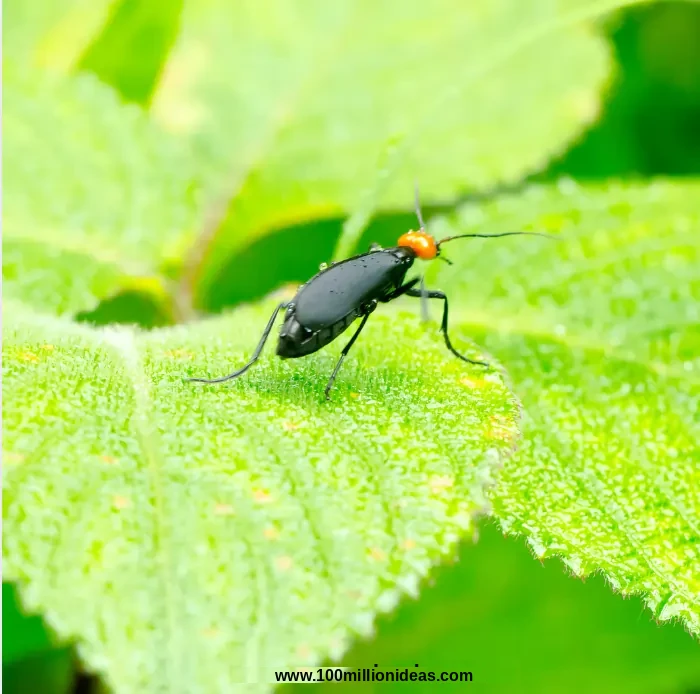
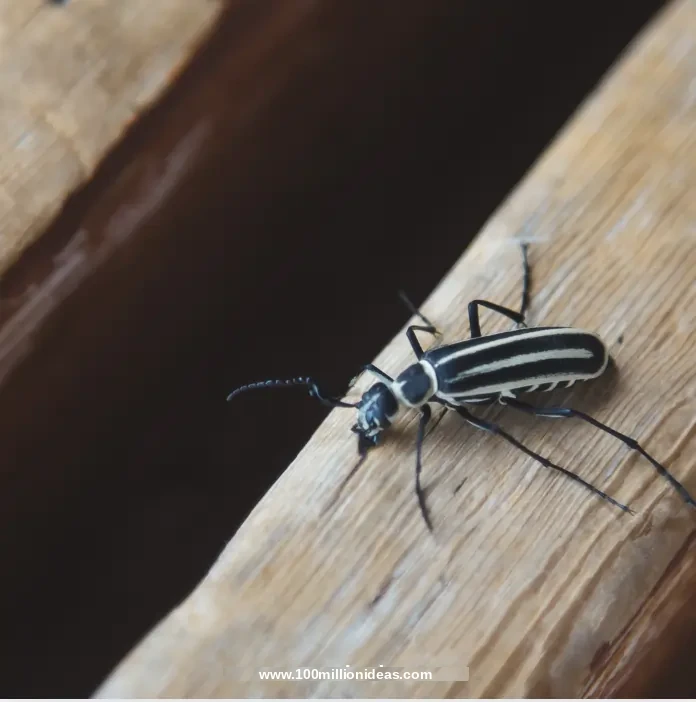
- Size and shape: They are usually 0.5 to 1.5 inches long, with long, soft bodies.
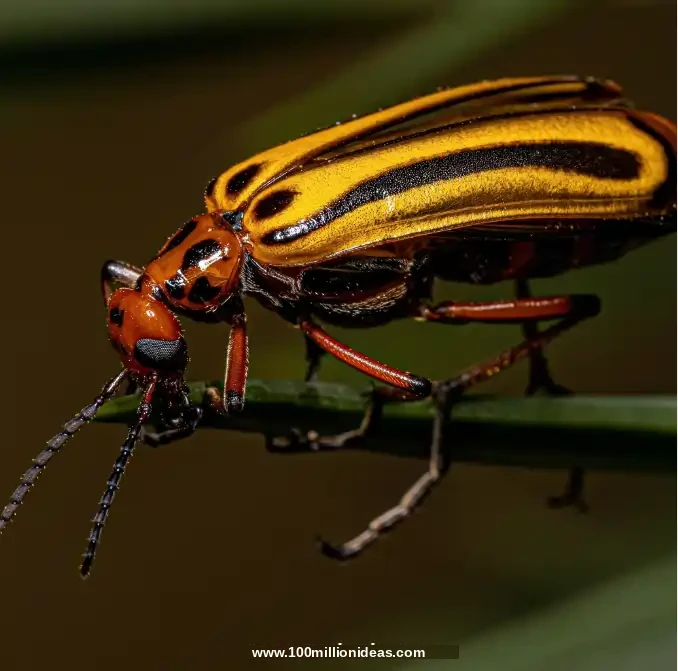
- Colour: They appear in many colours, including black, grey, orange and striped patterns.
- Antennae: Their thread-like antennae run to about a third of their body length.
- Behaviour: You will often see them clustered on plants or drifting slowly around the garden.
If you notice these signs, you are almost certainly dealing with blister beetles.
How are Blister Beetles a Threat to Crops?
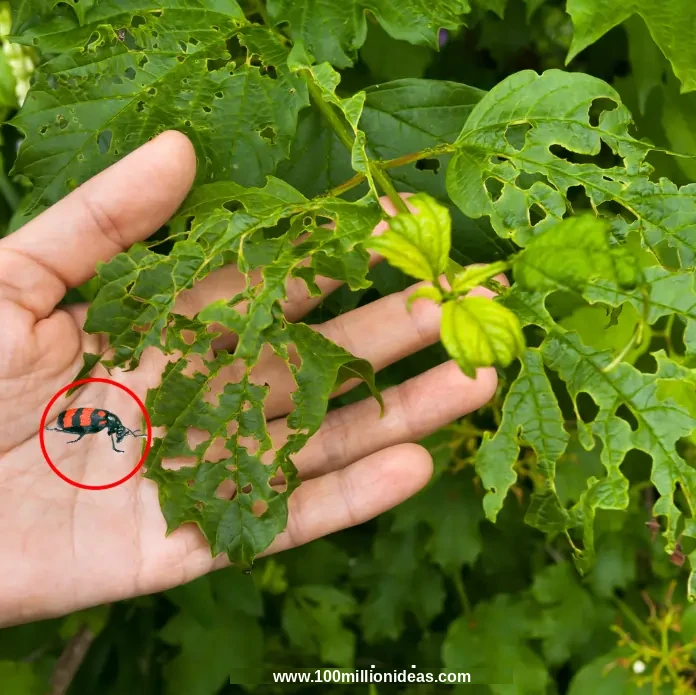
Blister beetles are a serious danger to crops, above all alfalfa, tomatoes, potatoes and beans.
They chew through leaves, flowers and young shoots, and the damage can be extensive.
What is even more worrying is their poison. If they get harvested along with hay or other crops by accident, they can poison livestock, causing severe illness or even death.
Blister Beetle Bite: What Does It Look Like?

Before we get into removing blister beetles, let us look at why you should act quickly.
A blister beetle bite can leave sore blisters and irritated skin, all because of the cantharidin they secrete.
Here is what a blister beetle bite usually looks like:
- Redness and swelling: The skin around the contact point turns red and puffy.
- Blisters: Blisters filled with fluid can show up within a few hours.
- Itching and pain: The bite can itch badly and hurt a lot.
How to Get Rid of Blister Beetles Naturally
If you are like most people, you would rather deal with pests without harsh chemicals. Here are natural ways to get rid of blister beetles that really work:

1. Handpicking
Put on gloves and pick the beetles off your plants by hand. Drop them into a bucket of soapy water to kill them. It is basic, but it works brilliantly for small infestations.
2. Use Neem Oil on Blister Beetles
Spray neem oil over the affected plants. It works as a natural repellent and messes with their life cycle. Stir 2 tablespoons of neem oil into a gallon of water and spray it on thoroughly.
3. Diatomaceous Earth
Scatter food-grade diatomaceous earth around your plants. It dries the beetles out and kills them on contact. Put down a fresh layer after rain for the best results.
4. Garlic Spray to Get Rid of Blister Beetles
Make your own garlic spray by blending 10 garlic cloves with a quart of water. Strain it, then spray it on your plants to drive beetles away naturally.
5. Beneficial Insects
Bring in natural predators such as ladybugs and lacewings. These helpful insects eat blister beetle eggs and larvae, so their numbers fall over time.
How to Get Rid of Blister Beetles Organically
If you want to stay fully organic, here are a few more tricks to add to your toolkit:
6. Use Row Covers on Beetles
Cover your plants with floating row covers. This light fabric lets sunlight and water through while keeping the beetles out.
7. Try the Crop Rotation Technique
Change what you grow in each spot every year to break their breeding cycle. That way, beetles never get the chance to settle in permanently.
8. Companion Planting to Get Rid of Blister Beetles
Grow repellent herbs like basil, mint and rosemary close to the crops beetles love. Their strong scent naturally keeps blister beetles away.
9. Kaolin Clay on Blister Beetles
Coat your plants with kaolin clay. It forms a sticky layer that stops beetles from feeding. Mix 1 cup of clay into a gallon of water and spray it evenly.
How to Get Rid of Blister Beetles in Garden
Blister beetles can wreck a garden fast. Here is how to keep your plants safe:

10. Regular Inspection
Look over your plants every day for signs of beetles. Catching them early is the key to stopping a big infestation before it starts.
11. Best Trap Crops
Plant trap crops like radishes or mustard to pull beetles away from your main crops. Once they gather there, pull out or destroy the trap plants.
12. Organic Sprays on Blister Beetles
Use organic insecticidal soap or pyrethrin-based sprays. They are gentle on plants but lethal to beetles.
How to Get Rid of Blister Beetles on Tomato Plants
Tomato plants are one of the blister beetles’ favourite targets. Here is how to protect them:
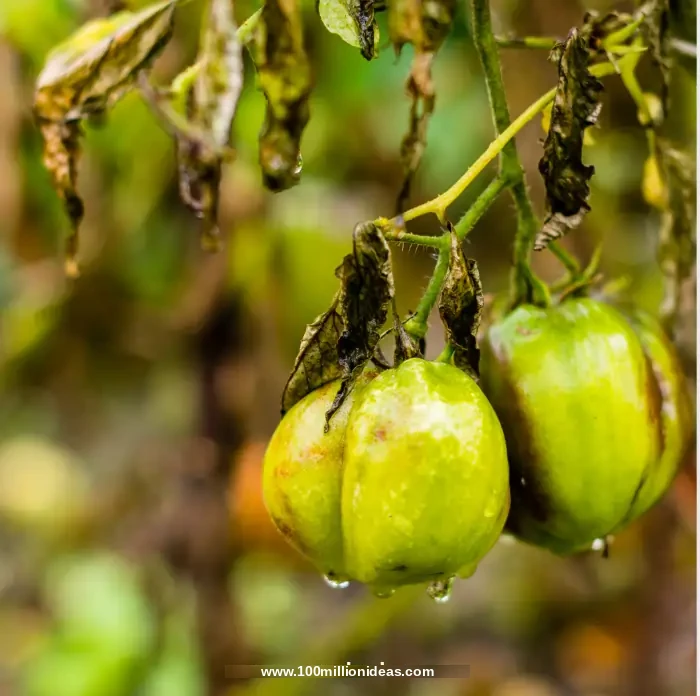
13. Remove Beetles by Hand
Pick the beetles off your tomato plants carefully and drop them into soapy water. Do it early in the morning, when the beetles are sluggish and easier to catch.
14. Spray with Neem Oil
Put neem oil on every 7–10 days to keep beetles away. Pay special attention to the undersides of leaves, where they like to hide.
15. Use Sticky Traps
Set sticky traps around your tomato plants to catch adult beetles. This cuts their numbers down without hurting helpful insects.
How to Get Rid of Black Blister Beetles
Black blister beetles are among the most common kinds. Here is how to get rid of them:
16. Apply Diatomaceous Earth
Sprinkle it around the base of your plants. The sharp particles slice through their exoskeletons and kill them on contact.
17. Use Organic Pesticides
Spray with spinosad or pyrethrin-based products. They work well against black blister beetles and are safe for most plants.
How to Get Rid of False Blister Beetles
False blister beetles (from the Oedemeridae family) are less toxic, but they still cause damage. Here is how to control them:

18. Removing Dead Wood
They are drawn to rotting wood, so tidy your garden and clear away any decaying logs or debris.
19. Using Neem Oil to Get Rid of Blister Beetles
Spray neem oil to repel them. This organic fix works just as well on false blister beetles as it does on the true ones.
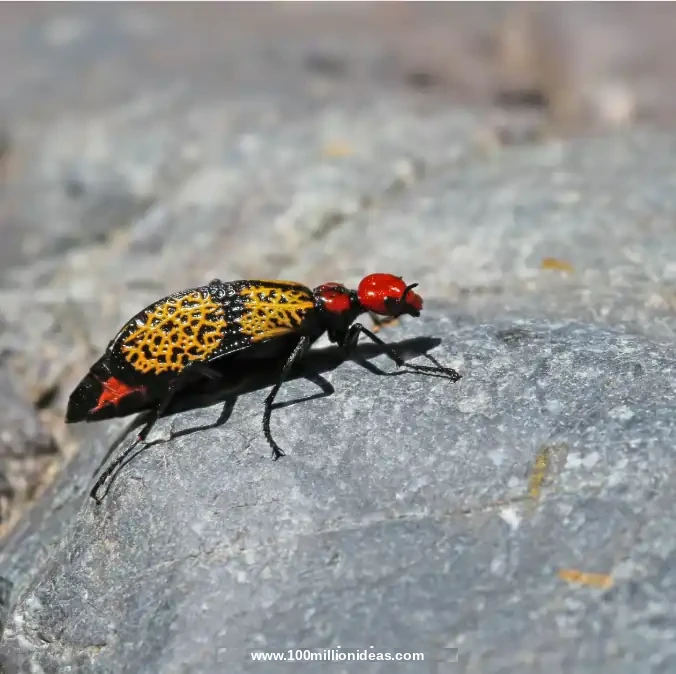
How to Get Rid of Iron Cross Blister Beetles
Iron cross blister beetles are easy to recognise by their striped pattern. Here is how to get rid of them:
20. Handpick Them: Wear gloves and pull them off by hand. Drop them into a bucket of soapy water so they cannot come back.
21. Spray with Soapy Water: Mix 1 tablespoon of dish soap into a quart of water and spray it straight onto the beetles. This suffocates them without harming your plants.
How to Get Rid of Blister Beetles in the House
If blister beetles have found their way indoors, follow these steps:
22. Seal Entry Points: Close up gaps around windows, doors and foundations. Caulk or weatherstripping will block their way in.
23. Use a Vacuum: Vacuum the beetles up and throw the bag away straight away. It is a fast and effective way to clear them out of your home.
24. Turn Off Lights: Cut back on outdoor lighting so you stop attracting them. If you need light outside, switch to yellow bug lights, which beetles find far less appealing.
Conclusion
So, what are you waiting for? Start using these strategies today and take your garden and home back from these annoying invaders.
And if this guide helped you, share it with other gardeners and homeowners you know.
Together, we can keep blister beetles out of sight for good!
How to Get Rid of Blister Beetles: FAQs
1. Where do blister beetles live?
Blister beetles are usually found in gardens, fields and meadows. They thrive in warm climates and in places with flowering plants like alfalfa, tomatoes and potatoes.
2. Blister beetle larvae dangerous?
Larvae do not produce cantharidin, but they feed on grasshopper eggs. That affects ecosystems indirectly, yet they are not directly harmful to people or animals.
3. How Dangerous are Blister Beetles for Horses?
Extremely dangerous. If a horse eats even a few crushed beetles hidden in contaminated hay, the toxic cantharidin can cause severe illness, colic or even death.
4. How to get rid of blister beetles in house?
Seal up entry points, vacuum beetles away, and cut down on outdoor lighting so they are not drawn indoors in the first place.


