10 Best Afrobohemian Living Trends No One Is Talking About!
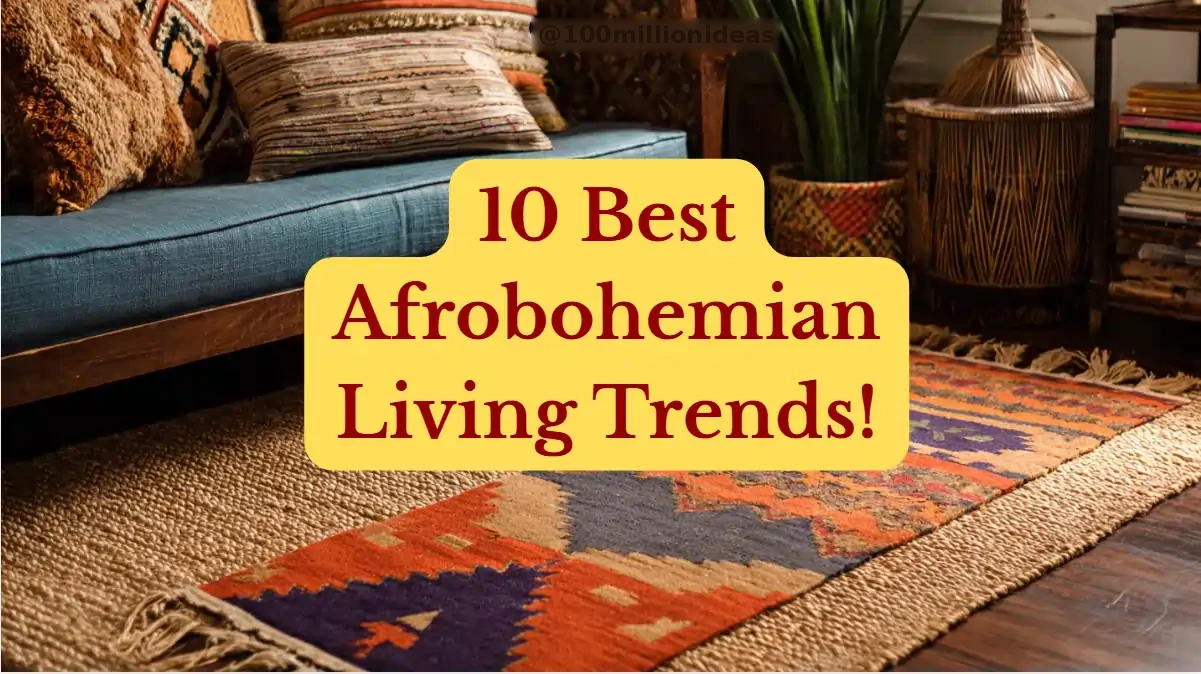
Some rooms just feel different the moment you step inside. It is not only the furniture — it is the energy in the air, the textures under your fingers, and the sense that everything in the room has a story.
By 2026, design has moved past the cold, museum-like version of modern style and embraced Afrobohemian living — a look that feels like a warm hug the second you walk through the door.
Whether you are a design lover or simply trying to make a small apartment feel more human, these 7 layering secrets will change the way you see your space.
This is not about buying a pile of new things. It is about the art of layering. Stick with me — we are about to turn your home into a masterpiece.
The Evolution of Afrobohemian Living: Why 2026 is the Year of Afrochic

As we move through 2026, the design world has fully embraced “slow decor” — pieces chosen because they tell the story of the hands that made them.
Afrobohemian living leads that shift. It has grown out of the tired tribal-print clichés of the early 2000s and into something richer: regional heritages such as Yoruba weaving techniques, brought into everyday rooms.
In a digital world, we crave things we can actually feel — rough-hewn wood, the cool surface of hand-coiled clay, the deep colour of indigo textiles.
When you focus on texture rather than pattern alone, your home starts to appeal to the sense of touch just as much as the sense of sight.
The Afrochic Foundation: Mixing Ancestral Heritage with Modern Minimalism
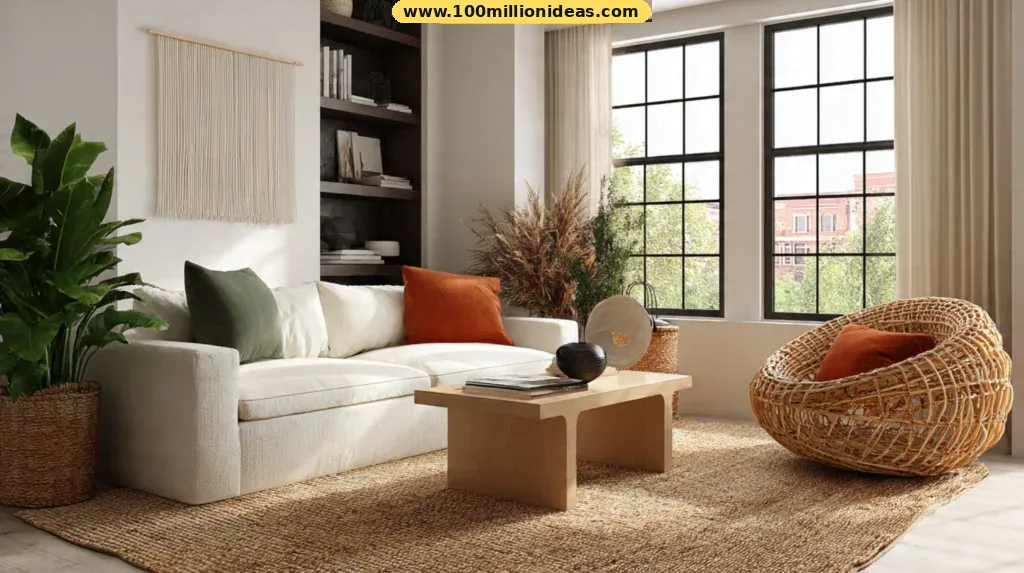
To master Afrobohemian living, you need to understand the balance between the raw and the refined. The big 2026 move is toward minimalist maximalism: a space full of rich texture, held together by one clear story — usually earth tones like terracotta, burnt sulphur, and deep forest green.
Every Afrochic room starts with an anchor piece, usually one large, textured item. A sofa in neutral linen, a big jute rug, or a statement rattan chair all work. From that anchor, the layering begins.
7 Expert Ways to Layer Textures for Authentic Afrobohemian Living
These seven strategies will help you build a space that feels layered over time, rather than bought in one trip to a showroom.
1. Mastering the Rattan Chair and Natural Woven Fibers

A rattan chair is like a piece of the outdoors brought inside. It is made from strong, woody vines woven into beautiful shapes, and it instantly softens a room.
To make it work for Afrobohemian living, balance the hard weave with something soft. Drape a fuzzy blanket or a sheepskin throw over the seat, and suddenly you have the coziest reading corner in the house — a simple way to make your home feel natural and welcoming.
2. Integrating Heritage Nigerian Textiles: The Art of Adire and Aso-Oke

Nigerian textiles are handmade cloths that tell a story, and the two most famous are Adire and Aso-Oke. Adire is a soft, smooth blue fabric, while Aso-Oke is a thick, strong cloth traditionally worn for big celebrations.
Layer them by weight: use light Adire for window curtains and heavy Aso-Oke for sofa cushions. Mixing those different weights makes a room look interesting, and it is a wonderful way to bring colour and history into your home today.
3. Building Depth with Earth-Toned Mud Cloth (Bogolanfini)

Mud cloth comes from Mali, patterned with zig-zags and dots made using natural dyes. It has a chalky, calming feel that works beautifully in a living room.
Draping those earth tones over a plain sofa hides everyday marks while making the room feel grounded and sturdy. These fabrics are tough as well as beautiful, which makes them great for families — and they connect your home to nature in a way that feels peaceful for everyone living there.
4. Incorporating Raw Mineral Finishes and Hand-Coiled Clay
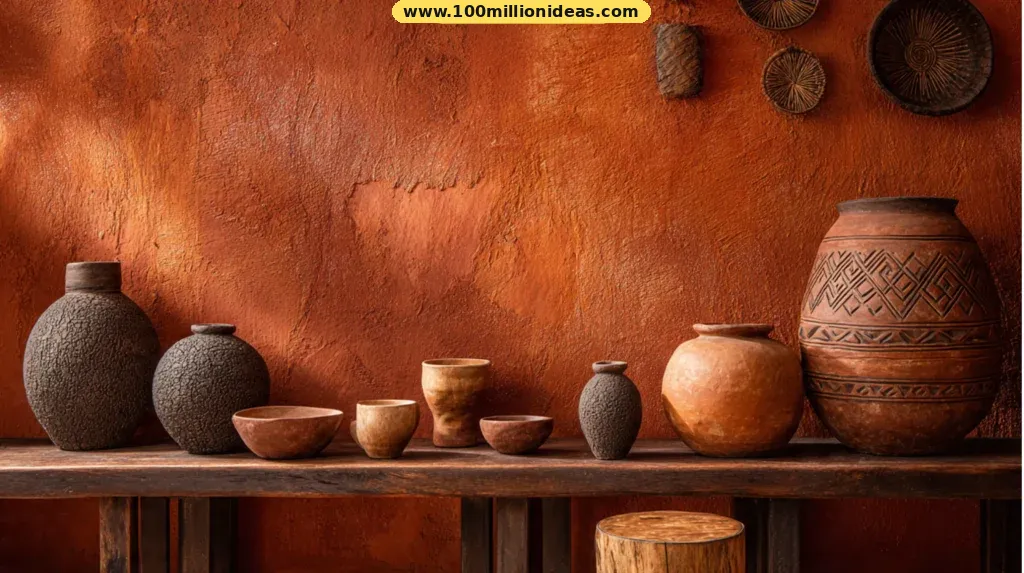
You can make your walls feel special with paints that look like soft clay. Instead of shiny and cold, they feel warm and dusty, like a giant crayon drawn across the room.
Pair those walls with handmade clay pots. You can still see the finger marks of the artist who made them, which adds a lovely handmade feeling to the space — relaxed and friendly, almost like a cozy house built from warm red earth.
5. Forging Contrast with Bronze, Brass, and Hand-Beaten Metals

Think of bronze and brass as jewelry for your house. A shiny metal tray or a dark bronze statue gives a lovely lift against all the soft fabrics around it.
A cool metal table next to a warm rattan chair creates a balanced, stylish look. Choose metals that look a little old and weathered — that touch of sparkle is what makes the room feel truly special.
6. Biophilic Soul: Sculptural African Greenery in Raffia Vessels

Plants are the liveliest part of any home, and they help everyone breathe better. To keep the look authentic, set your plants inside baskets made from dried raffia grass.
The basket’s dry, hairy texture looks wonderful next to the plant’s smooth green leaves. It is an easy way to bring a little nature indoors, turning any corner into a fresh, happy garden the whole family enjoys.
7. The Layered Floor-Scape: Pairing Jute with Geometric Kilim
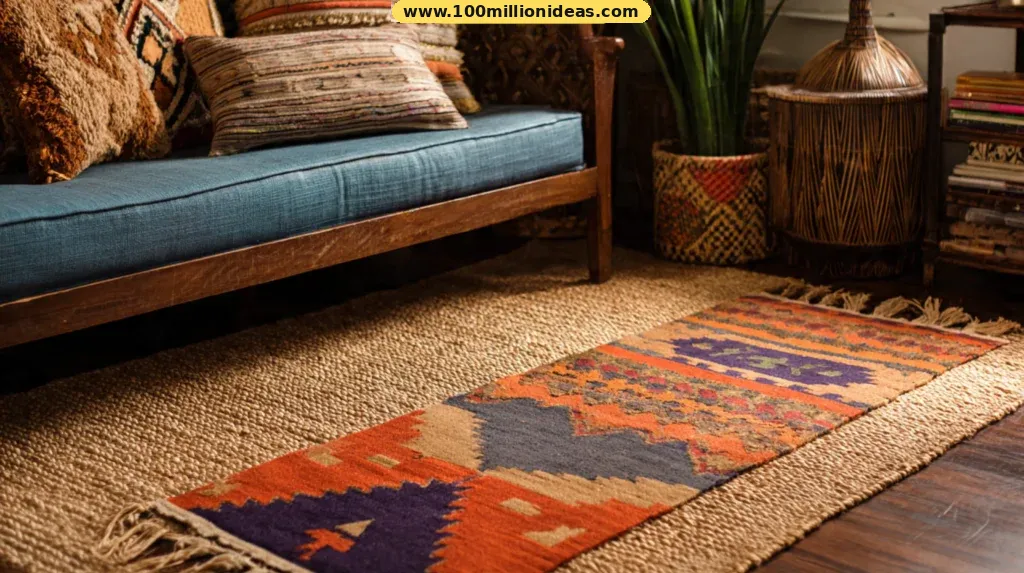
Layering rugs is like making a sandwich for your floor. Start with a big, tough jute rug underneath, because it can handle plenty of foot traffic.
Then add a smaller, colourful rug on top. The layers make the floor feel extra soft and warm — perfect for kids playing or adults resting — and those earth tones tie the whole room together, so every step feels soft and comfortable.
Sculptural Ancestry: The Role of Ethiopian Art and West African Figurines

In 2026, the Afrobohemian look has moved from “wall fillers” to sculptural storytelling. To truly layer a room, you need height and silhouette.
In a 2026 Afrochic home, these pieces are not just decorative objects. They work as geometric pieces of metalwork that add a “Neo-Deco” silver or brass glint to the wall.
Use the power of the silhouette: hand-carved ebony or mahogany figurines from the Benin Kingdom, placed on a minimalist glass table. The contrast between dark, ancient wood and cold, modern glass is the hallmark of the refined Afrobohemian.
Do not clutter. One large, floor-standing sculpture in a corner is more powerful than five small ones on a shelf — it creates a silent anchor for the eyes.
Advanced Lighting: The Glow of Raffia and Hand-Beaten Copper
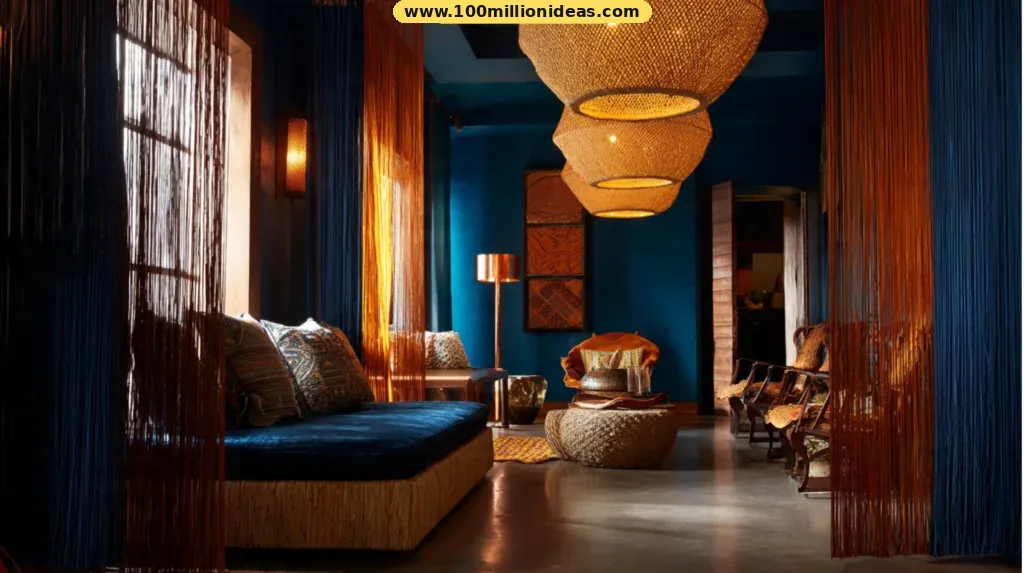
In an Afrobohemian home, bright white overheads — “hospital lighting” — are the enemy. By 2026, the move is toward biophilic lighting design.
Replace plastic shades with big raffia or bamboo pendants. When light shines through the woven fibres, it casts jungle shadows on your walls — a whole extra layer of texture that costs nothing to maintain. Place a hand-beaten copper floor lamp next to your indigo-dyed curtains, and the copper reflects a warm, orange-toned light that makes the deep blue of the Adire fabric look almost electric.
Use warm-to-dim LED bulbs. As the sun sets, your lights should shift from a sun-bleached ochre to a deep, firelight orange.
The 2026 Afrochic Color Palette: Beyond Basic Earth Tones

In 2026, Afrobohemian living is moving past brown and beige. Deeper, more exciting colours are coming in — shades that feel like a sunset or a deep ocean.
- Terracotta Clay: A warm, reddish-orange that feels like sun-baked brick and makes a room feel cozy and safe.
- Deep Indigo: A very dark blue from Nigerian textiles. It adds mystery and looks elegant next to light wood.
- Charred Cedar: Almost black, with a hint of brown. It is perfect for a rattan chair when you want a modern, sleek look.
- Sun-Bleached Ochre: A golden yellow, like grass on a dry afternoon. It brings sunshine into the room even on cloudy days.
A simple tip for families: use the 80/20 rule. Keep 80% of the room in quiet earth tones like sand and clay, and use the other 20% for pops of bright blue or gold to keep the room looking happy and full of life.
Sourcing with Soul: How to Find Real Nigerian Textiles and Rattan

When you decorate your home, it matters where your things come from. In 2026, slow decor means buying things made fairly by real people. Here is how to tell the real thing from a copy.
1. Check the Weave
When you buy Nigerian textiles like Aso-Oke, look at the back. Real handmade cloth usually has small, narrow strips sewn together. If the fabric looks too perfect, or like it was printed by a machine, it might be a copy. Buying the real cloth helps support the families who make it.
2. Feel the Weight
A good rattan chair should feel solid and a little heavy. If it feels like light plastic, it will not last long. Real rattan is a vine that grows very strong, and it might have little bumps or colour changes — that is a good thing, because it means you are holding a real piece of nature.
3. Ask the Story
Try to buy from shops that can tell you the name of the artist, or the village where the item was made. That turns your home into more than a place to sleep — it becomes a library of stories from around the world.
Why Afrobohemian living is the Future of Sustainability
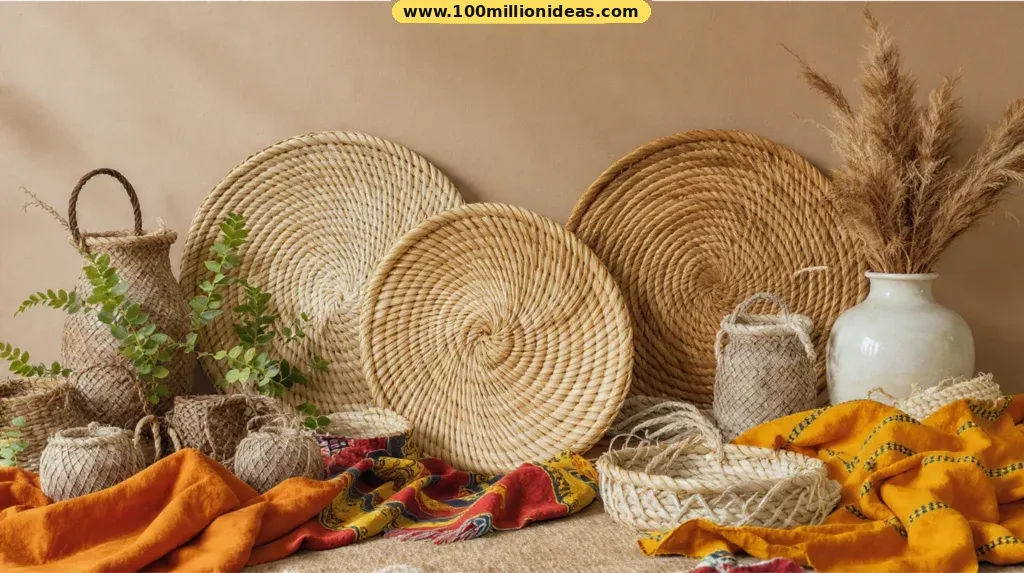
Sustainability is at the heart of this style. 2026 is the year of carbon-neutral interiors, and Afrochic fits that moment perfectly.
Unlike polyester or plastic furniture, rattan, jute, and raffia are entirely biodegradable. Choosing Afrochic means choosing a circular economy: buying real Abeokuta or Bogolanfini from Mali is not just a style choice, it is an ethical one.
It supports slow fashion for the home, which cuts the carbon footprint left by mass-made fast fashion.
Longevity and Care: Keeping Your Afrochic Home Beautiful

Natural materials are like living things. They need a little love to stay beautiful for a long time. Here are the tips to follow:
1. Caring for Fabrics: For indigo-dyed Adire, keep it away from very bright windows, because the sun can eat the colour over time. If it gets dirty, wash it gently by hand in cool water with a tiny bit of soap.
2. Caring for Wood and Rattan: If your rattan chair starts to feel very dry, wipe it with a soft cloth and a tiny drop of natural oil. This keeps the wood from cracking and keeps it shiny and happy.
3. Caring for Rugs: For your layered rugs, give them a good shake outside once a month. That gets rid of dust that vacuums sometimes miss, and keeps the fibres bouncy.
The 2026 “Scent-Scape”: Scent Stacking for an Afrobohemian Living Atmosphere

One of the biggest trends for 2026 is scent stacking. To make your apartment feel natural, it also needs to smell like the earth.
Use a diffuser with sandalwood or oud. These heavy, woody scents recreate the smell of an African forest or a traditional workshop. Stack that with frankincense or myrrh — resins used for centuries in East African ceremonies that add a sacred, almost clerical feeling to your living room, turning it into a sanctuary.
Place dried orange peels and cinnamon sticks in a hand-coiled clay bowl. It works as a natural potpourri that matches your terracotta colour palette perfectly.
Conclusion: Afrobohemian Living Trends
Mastering Afrobohemian living is about more than just buying nice things.
It is about creating a home that feels warm, smells like nature, and shows respect for beautiful cultures.
By layering with the soft history of Nigerian textiles, you are building a space where every family member, from the youngest to the oldest, feels peaceful at home.
Remember, you do not have to change everything at once. Start with one beautiful mud cloth pillow or one big green plant in a basket.
Let your home grow slowly, layer by layer, until it feels just like you.
Frequently Asked Questions about Afrobohemian Living
1. What makes Afrochic decor different from standard Bohemian styles?
Afrochic is more intentional than basic boho. While Bohemian style is broadly eclectic, Afrochic focuses specifically on African craftsmanship — heritage Nigerian textiles and sculptural earth tones — to create a sophisticated, soulful home.
2. Is a rattan chair sturdy enough for a busy family living room?
Yes! Real rattan chair frames are made from solid, flexible vines that handle daily use beautifully. They are lightweight but strong, making them a perfect, durable choice for kids and adults alike.
3. How do I start an Afrobohemian Living on a small budget?
Start small by layering textures. Add one mud cloth pillow to your sofa, or place a leafy plant in a woven basket. These simple earth tones instantly create a warm, Afrochic vibe.