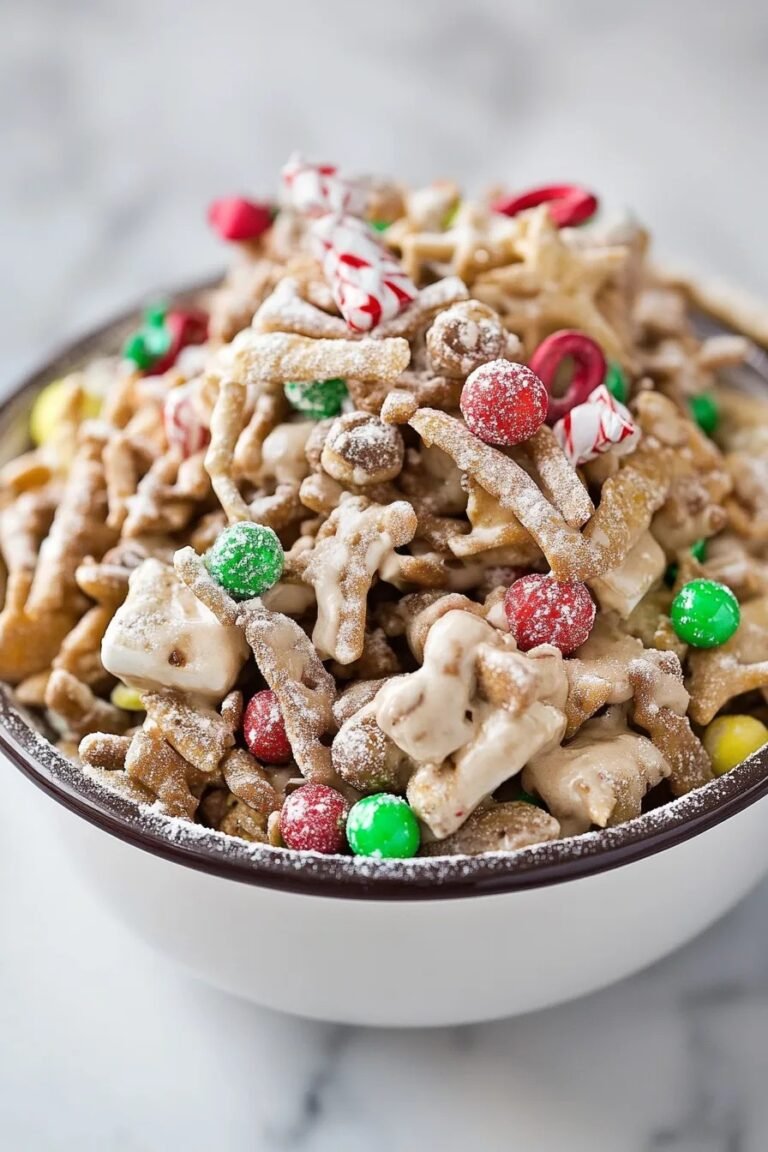
Christmas Sugar Cream Pie

Sugar cream pie is an old-fashioned dessert that tastes like comfort in a slice. It is a simple custard-style pie made from sugar, cream, flour, butter, and vanilla, baked in a flaky crust until the filling sets into something soft, sweet, and silky. A dusting of nutmeg on top gives it a warm, holiday feel, and a few red and green sprinkles turn it into a Christmas dessert without changing a thing about the classic flavor. If you have never tried it, think of it as the cozy cousin of custard pie — rich and creamy, gently spiced, and much easier than it looks.
This pie has a long history in the American Midwest, where it was known as a pantry pie, made from ingredients a farm kitchen always had on hand. There are no eggs in the filling, which surprises most people the first time they hear it. The flour does the thickening, the cream does the richness, and the butter dotted on top melts into the surface as it bakes, forming a thin, golden skin that is the best part of the whole pie. It is the kind of dessert that older relatives remember from childhood, and younger ones ask for the recipe after one bite.
This pie is perfect for Christmas because it is easy, inexpensive, and loved by almost everyone. It uses pantry ingredients you probably already have, it bakes in under an hour, and it slices beautifully once chilled. Serve it after a big holiday dinner with coffee, bring it to a potluck and watch people ask for the recipe, or make it the night before Christmas so dessert is already done when the day gets busy. It is also a good choice when the oven is crowded with a roast and side dishes, because it bakes at a moderate temperature and does not need much attention once it goes in.

Recipe at a Glance
- Servings: 8 slices
- Prep time: 15 minutes
- Bake time: 45 to 50 minutes
- Cooling and chilling time: at least 3 hours
- Total time: about 4 hours, mostly hands-off
- Serve: chilled or at room temperature, with whipped cream if you like
Why This Recipe Works
The filling looks impossibly thin when you pour it into the crust, and that is exactly right. As the pie bakes, the flour swells and thickens the cream into a soft, sliceable custard, while the sugar melts and the butter on top browns lightly. The key is pulling the pie out of the oven while the center still has a slight jiggle. It looks underdone, but the filling keeps setting as it cools, and by the time it has chilled in the fridge, it is firm enough to slice cleanly and soft enough to melt on your tongue. Overbake it, and the filling turns grainy and can crack across the top.
The flavor is deliberately simple. Vanilla and nutmeg are the only spices, and they are there to warm up the cream rather than compete with it. Cinnamon adds a little depth, but if you prefer a pure sugar cream flavor, leave it out and add an extra pinch of nutmeg instead. The crust matters too: a flaky, buttery crust gives the soft filling something to hold onto, and its saltiness balances the sweetness. A store-bought crust works well here, but if you have a favorite homemade crust, this is a good pie to use it in, because there is nothing else to hide behind.
Ingredients
- 1 unbaked 9 inch pie crust, store-bought or homemade
- 1 cup granulated sugar
- 1/2 cup all-purpose flour
- 1/4 teaspoon salt
- 2 cups heavy cream
- 1/2 cup whole milk
- 1 tablespoon vanilla extract
- 4 tablespoons unsalted butter, cut into small pieces
- 1/2 teaspoon ground nutmeg, plus more for dusting
- 1/4 teaspoon ground cinnamon
- Red and green sprinkles, for decorating (optional)
- Whipped cream, for serving (optional)
A few notes on the ingredients: use heavy cream, not half and half or light cream, because the fat content is what makes the filling set into a rich custard rather than a thin, milky layer. Whole milk thins the cream just enough that the filling is silky rather than heavy. Measure the flour carefully — spoon it into the measuring cup and level it off — because too much flour makes the filling pasty, and too little leaves it runny. Freshly grated nutmeg is lovely here if you have it, but ground nutmeg from the jar is perfectly fine. If you are using a store-bought crust, let it sit at room temperature for 10 minutes before unrolling it so it does not crack.
How to Make It
- Heat your oven to 375 degrees F. Fit the pie crust into a 9 inch pie dish, pressing it gently into the bottom and sides without stretching it. Crimp the edges with your fingers or a fork, and prick the bottom a few times with a fork.
- In a large bowl, whisk together the sugar, flour, and salt until evenly combined. This step matters, because the flour is what thickens the filling, and any lumps will show up in the finished pie. Take a few seconds to break up any clumps of sugar with the whisk.
- Slowly pour in the heavy cream and milk, whisking as you go, until the mixture is smooth and free of lumps. Stir in the vanilla extract, nutmeg, and cinnamon.
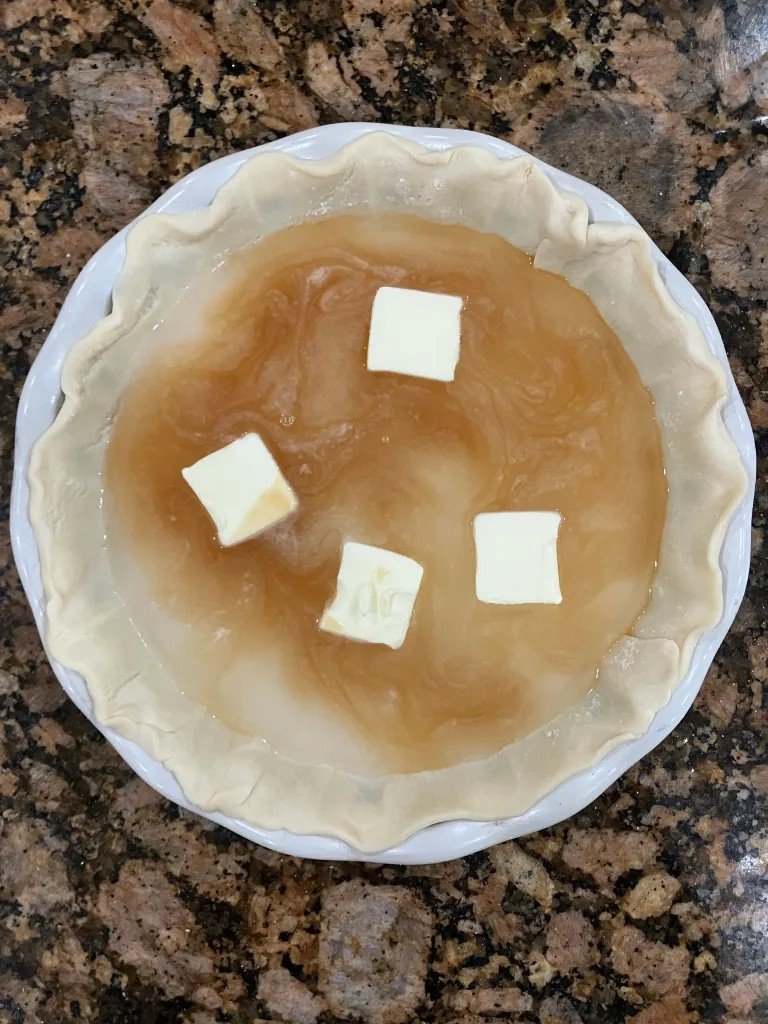
- Pour the filling into the prepared pie crust. It will look very thin, almost like sweetened milk, and that is normal. Dot the small pieces of butter evenly over the surface of the filling. They will melt as the pie bakes and form a light golden layer on top.
- Place the pie dish on a baking sheet to catch any drips, and put it in the oven. Bake for 45 to 50 minutes, until the edges are set and the center still has a slight jiggle when you gently shake the pan. The top should be lightly golden in spots, and the filling may puff up a little — it will settle as it cools.
- Remove the pie from the oven and let it cool on a wire rack for 1 hour. Do not cut into it yet. The filling will continue to set as it cools, and a warm slice will run.
- Once cool, dust the top lightly with extra nutmeg and add a scattering of red and green sprinkles if you like. Refrigerate for at least 2 hours, or overnight, before slicing so the filling firms up fully.
- Slice with a sharp, thin knife, wiping the blade clean between cuts. Serve chilled or at room temperature, with a spoonful of whipped cream on each slice if you like.
Tips for Success
Do not be tempted to overbake this pie. The center should still wobble a little when it comes out of the oven, like a set custard or a cheesecake. It firms up as it cools, and overbaking can make the filling grainy or cracked. If the crust edges start browning too fast, cover them loosely with strips of foil for the last 15 minutes of baking. If the top of the filling browns unevenly, that is fine — the nutmeg dusting and sprinkles will cover it, and the flavor is the same. When you whisk the filling, whisk until it is truly smooth; a few extra seconds here saves you from flour lumps later. And let the pie chill for the full 2 hours. A pie cut too early will slump on the plate, while a properly chilled one holds a clean, beautiful slice.
Variations
The classic version is wonderful as written, but there are a few easy changes worth trying. For a deeper, more caramel-like flavor, use half brown sugar and half granulated sugar in the filling. For a little extra warmth, add a pinch of cardamom along with the nutmeg, or a quarter teaspoon of allspice. For a chocolate version, whisk two tablespoons of cocoa powder into the dry ingredients and add a handful of chocolate chips to the filling before baking. You can also bake this filling in a graham cracker crust instead of pastry — press the crumbs into the dish, pour in the filling, and bake the same way. If you want individual servings, divide the filling between six ramekins set on a baking sheet, skip the crust, and bake for 30 to 35 minutes until just set. They make lovely little pots of cream for a dinner party.
Tips & Storage
A homemade crust is lovely here, but a good store-bought crust works just fine and keeps this a quick recipe. If you make your own, blind-baking is not needed — the filling is thin enough that the crust bakes through underneath it, as long as you place the pie on the lowest oven rack. The pie keeps covered in the fridge for up to 4 days, and it tastes best on day one or two. Cover it loosely with plastic wrap or foil so the top does not pick up fridge smells. It does not freeze well — the cream filling can turn grainy when thawed — so plan to enjoy it fresh. If you are making it for a party, bake it the day before and add the nutmeg dusting, sprinkles, and slicing just before serving. Serve it with coffee, hot tea, or a glass of cold milk, and keep the slices small: it is rich, and a little goes a long way.
Frequently Asked Questions
Why is my filling still runny after chilling? The most likely cause is underbaking, or too little flour. Make sure the pie bakes until the edges are set and only the center jiggles, and measure the flour by spooning it into the cup rather than scooping from the bag, which packs in too much.
Can I make this pie without a crust? Yes. Pour the filling into a buttered pie dish or ramekins and bake as a crustless custard. Bake ramekins for 30 to 35 minutes and a full dish for about 40 minutes, until just set in the center.
Does this pie need eggs? No, and that is what makes it unusual. The flour thickens the cream as it bakes, so the filling sets without eggs. It also means the texture is softer and more delicate than an egg custard.
Can I make it the day before Christmas? Yes, and that is the best way to do it. Bake it, cool it, and refrigerate it overnight. Add the nutmeg and sprinkles and slice it just before serving.