Does Sunlight Kill Mold? How Well Is Sunlight Against Mold?

Are you curious about whether sunlight kills mold? While it seems like a simple natural solution, sunlight does more than most people expect — from limiting mold growth to fighting odour.
But how long does it take for sunlight to kill mold? Where does mold form most often, and what can you do to prevent it? Let us talk about everything in detail, so you can keep your home hygienic and mold-free.
What Is Mold?

Mold is a tiny fungus that grows in damp, warm environments. These fuzzy patches can appear in the usual places — bathrooms, basements, and near cracks in walls.
In nature, mold plays an important role in breaking down dead plants. Inside a home, though, it can cause real problems, from a musty odour to breathing difficulties.
Common Places to Find Mold in the House
Here are a few common places to find mold in the house:

1. Bathrooms
Mold loves a damp atmosphere, so the bathroom is a prime spot. It can be found on shower curtains, bathtubs, and utility sinks.
2. House Basements
Basements are mostly humid and have very little ventilation, which creates an ideal environment for mold to spread across walls, floors, and unused items.
3. Home Kitchen
The kitchen has plenty of ideal spots for mold growth: leaking pipes, oil spills, and steam. Uncleaned surfaces such as sink basins and cupboards can help it spread.
4. Storage Attics
With little or no sunlight, attics can become a hub for mold growth — mainly on roof beams with moisture, insulation, and stored items.
5. Windowsills
Windowsills collect heavy condensation, which creates a damp environment where mold can easily survive.
Does Sunlight Kill Mold Directly?
Can sunlight kill mold directly? The short and straight answer is yes. The ultraviolet rays in sunlight have antifungal properties that can slow down the growth of mold spores.
But it is not that simple. If mold spores are deeply embedded, they need more than just sunlight to get rid of them.
How Does Sunlight Kill Mold?
Sunlight can slow growth or even kill mold thanks to the ultraviolet particles in it. Here is how it works:

Power of UV Rays in Sunlight on Mold
- DNA damage: UV rays can alter and damage the mold’s DNA, hindering its growth and its ability to reproduce.
- Protein disruption: Mold needs proteins to survive on any surface, and UV rays can interfere with these essential proteins.
Effect of Sunlight on Mold Growth
Sunlight is an effective natural method for fighting mold growth because of its UV rays. By altering the cellular structure of mold, it can make the mold inactive and help keep your home mold-free.

Here are five ways sunlight works against mold:
1. UV Radiation
As discussed above, sunlight contains UV-A, UV-B, and UV-C rays that can deter mold growth. This radiation can destroy the mold’s DNA and prevent it from spreading further.
2. Drying Effect on Mold
Sunlight keeps moisture in check by drying out the damp areas where mold clings. Without moisture, mold finds it hard to survive and shows fewer signs of growth.
3. Surface Exposure on Mold
If sunlight falls directly onto non-porous surfaces, mold growth can be inhibited quite effectively. Try to rearrange your furniture at least twice a week so sunlight reaches all areas equally.
4. Planned Cleaning Schedule
Sunlight can be used as a supporting method alongside traditional cleaning and disinfecting. Right after cleaning a moldy area, it is important to expose it to direct sunlight to keep it safe from mold spores.
5. Prevention of Recurrence
Regular exposure to sunlight keeps moisture buildup in check. Well-lit, dry areas are inhospitable to mold, which helps prevent it from coming back once removed.
Limitations of Sunlight Exposure on Mold
Sunlight has real benefits in the fight against mold, but it also has reasonable limitations:

1. Penetration Depth of Rays
UV rays are effective on the surface, but they cannot penetrate deep into porous materials like drywall, wood, or tough fabrics. That limitation can let mold keep growing once conditions turn favourable again.
2. Time Requirement for Mold
Effective mold control needs sunlight exposure for prolonged hours — sometimes days, depending on how intense the mold is. Such a long period is not always practical or sufficient to limit mold growth.
3. Indirect Sunlight Ineffectiveness
Even when sunlight reaches the mold, it can be filtered through window tints or curtains. This reduces the intensity of the UV rays and may show no effect on mold growth at all.
4. Environmental Dependence
If the weather is cloudy and there is no proper sunlight for several days in a row, the chances of mold regrowing are high because of the humidity.
5. Incomplete Remediation
So far we have been dealing with killing mold spores — but what about the dead mold? It can still trigger allergies and cause health issues. So apart from sunlight exposure, physical cleaning is also necessary for complete removal.
Most Practical Ways to Use Sunlight for Mold Control
Here are a few of the most practical ways to use sunlight for mold control. One of the most effective techniques I personally follow is simply letting more sunlight in: open all the curtains or blinds and let the sunlight reach all over your home.
2. Keep the Surfaces Dry Always
Dry out damp areas where mold might grow. Items like rugs, carpets, cushions, and furniture must be dried out immediately after any contact with water.
3. Brighten Up Closets and Storage Areas
Never keep your closets or storage areas completely shut for days together. Plan periodic cleaning sessions to keep them free of insects and mold, and install vents to let sunlight and air inside the closet and restrict bad odours.
4. Sunlight for Decor Items
Most decor items in our homes — drapes, cushions, carpets — can hold moisture. So it is important to keep them in areas where sunlight falls, to contain mold growth.
5. Indoor Plant Maintenance
Most of us think indoor plants help us breathe more oxygen and improve the look of our homes, and that is true. But the moisture in the soil can increase the chances of mold growth. So keep plants in a well-lit area and maintain the soil with proper compost.
Alternative Ways to Use Sunlight for Mold Control
If you do not have direct sunlight, you can use these alternatives to get a similar effect:

1. Use Solar Dehumidifiers
You can use solar dehumidifiers in moldy areas. They cannot match the full potential of UV exposure, but they can surely help with dehumidification to restrict mold growth.
2. Solar-Powered Fans
Try installing solar-powered fans in areas with high dampness. They increase airflow and keep humidity in check, which eventually helps limit mold growth.
3. Sunlight-Activated Paints
You can use sunlight-activated paints that have anti-microbial properties matching the effect of sunlight. These paints are easily available online and offline, and they contain additives that inhibit mold recurrence.
4. UV-C Light Systems
UV-C is a strong source for restricting mold growth, so you can install UV-C light systems in the affected region to kill mold spores.
5. Sunlight-Based Desiccant Systems
Sunlight-based desiccant systems are activated when they come into contact with light. Place them in areas prone to mold growth, or in closets, to keep mold formation in check.
Other Ways to Prevent Mold Growth
Sunlight can kill mold, but here are five simple tricks to prevent mold growth in your surroundings:
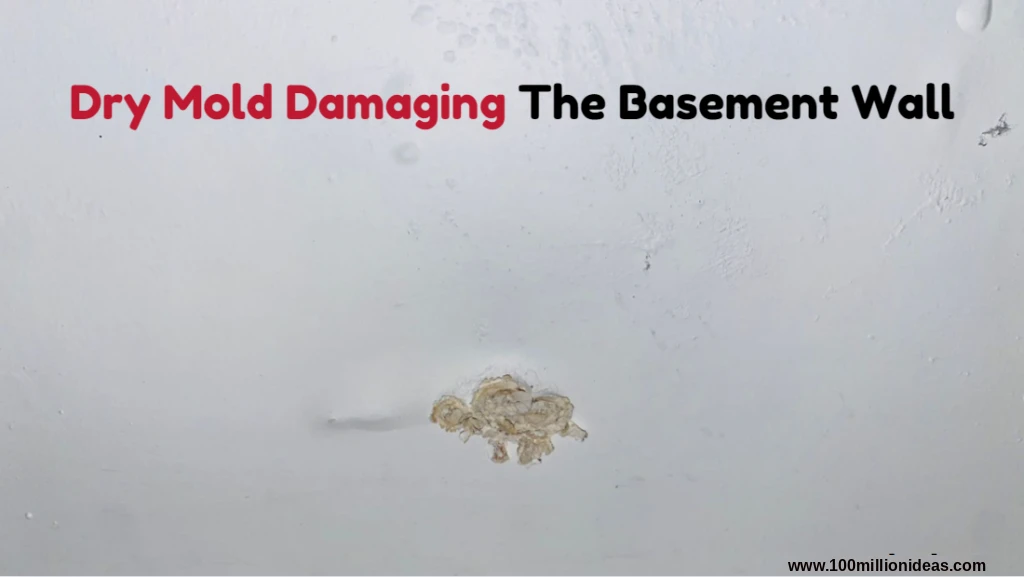
- Reduce humidity: Use dehumidifiers and keep humidity levels below 60%.
- Fix leaks in the home: Immediately fix leaks in pipes and walls to avoid moisture building up.
- Clean and dry: Always keep your home clean and dry to maintain a healthy environment.
- Improve airflow: Maintain proper airflow and light to keep mold growth in check.
- Mold-resistant products: Use mold-resistant paints and sprays to avoid mold forming.
Can Sunlight Kill Mold in Different Areas?
Here are a few of the most common areas where mold can grow. Check whether sunlight can kill mold in each of them:

1. Does sunlight kill mold in the bathroom?
Yes. Sunlight kills mold in the bathroom by reducing damp areas with prolonged exposure, so maintain good ventilation there too.
2. Does sunlight kill mold on plants?
Sunlight kills mold on plants by drying out excess moisture in the affected areas. Constant exposure can also completely prevent mold from coming back.
3. Does sunlight kill black mold?
Sunlight kills black mold by drying out the affected regions with strong UV rays. However, black mold is so tough that sunlight alone is not enough to eliminate it completely — it needs comprehensive treatment.
4. Does sunlight kill mold on clothes?
Sunlight kills mold on clothes by drying them out and using powerful UV rays to disinfect the fabrics. This exposure can also remove bad odours from the clothes.
5. Does sunlight kill mold on books?
Yes. Sunlight kills mold on books by drawing out excess moisture and reducing the impact of mold spores. But be careful not to overexpose books, as it can damage the print and the look of the pages.
How Long Does It Take Sunlight to Kill Mold?

How long sunlight takes to kill mold depends on many factors: the intensity of the sunlight, how deeply it penetrates, and the type and amount of mold. Normal mold can often be killed in a few hours, while strong mold can survive even after days of exposure.
Conclusion
So, finally, for the question — does sunlight kill mold? We would definitely say a big yes, but with some reasonable restrictions. UV rays have the power to restrict growth, but not all mold can be eliminated easily. You also need to follow good hygiene and a regular, comprehensive approach to avoid the harmful effects of mold.