How to Get Rid of Tiny Ants in Your House: 18 Fast and Effective Tips

Tiny ants in the house are frustrating. One day you spot a few near the kitchen counter, and the next day there is a whole trail marching across the floor.
They are not just annoying. They get into food, leave crumbs and mess behind, and can spread germs around your home. The good news is that you do not need to live with them. Once you understand why they are coming in, you can stop them with a mix of cleaning, natural repellents, and simple barriers.
This guide covers 18 practical methods that actually work, for inside and outside your home, plus tips for the kitchen and for red, carpenter, and fire ants.
Why Do Tiny Ants Come Inside?
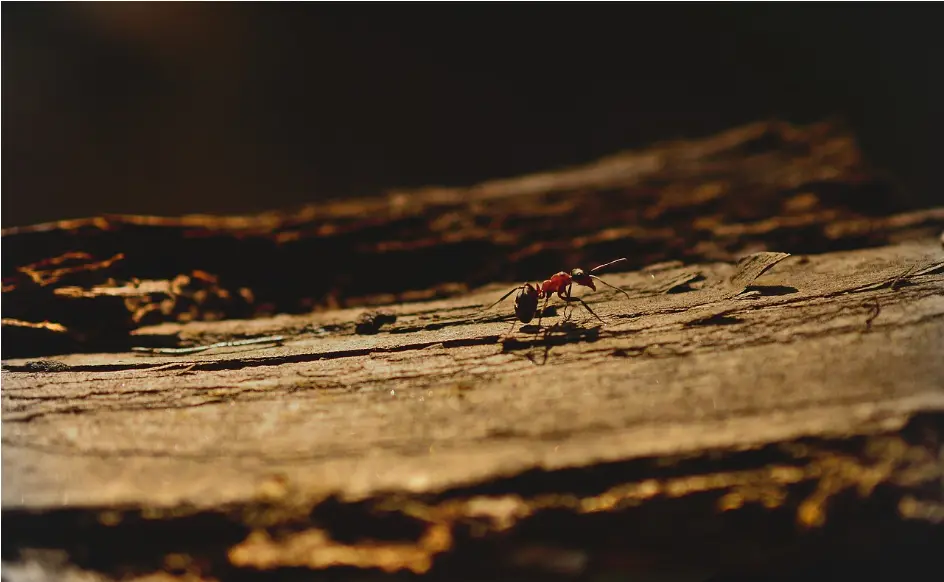
Ants do not invade your home by accident. They are looking for three things: food, water, and shelter.
1. Food and Water
Food is the biggest draw. Crumbs on the counter, a sticky spill you missed, sugar in an open jar, or pet food left out overnight are all invitations. Kitchens are especially attractive because they offer sugar, protein, fat, and moisture in one place.
2. Shelter and Nesting Space
Your home is warm, dry, and safe compared with the outdoors. Ants nest in wall cracks, window gaps, under floors, and in dark, quiet corners where they can store food and raise their young.
3. Bad Weather Outside
Heavy rain can flood their nests, and extreme heat can dry them out. In both cases, ants move indoors looking for a more stable place to live.
4. Scent Trails
Ants leave a chemical trail for other ants to follow. When one scout finds food, it marks the path back to the nest. Soon, dozens of ants are following the same route, which is why a small problem can grow so quickly.
Why Are Ants So Hard to Get Rid Of?
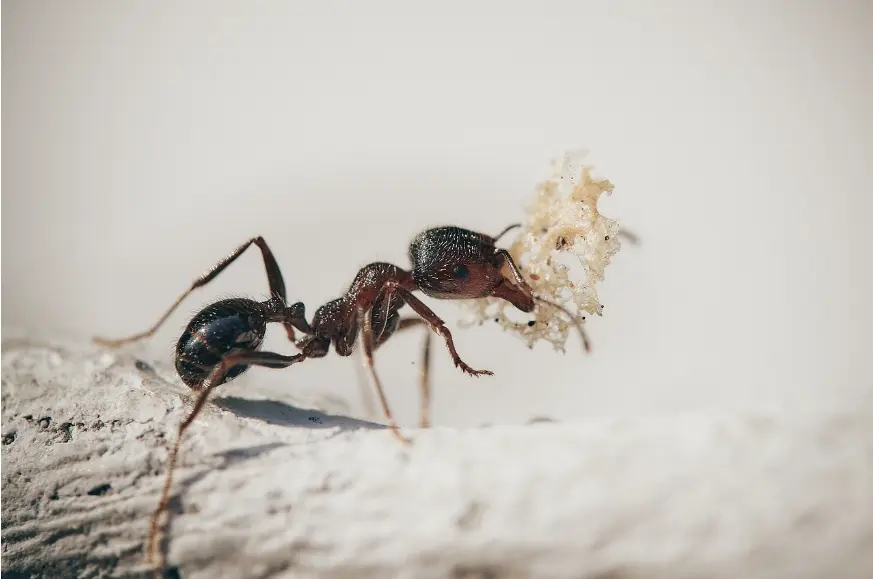
Ants are survivors. They adapt quickly, work together in large colonies, and can find food in places you would never expect. A single queen can lay thousands of eggs, so a colony can rebuild fast if you only kill the ants you can see.
They are also tiny enough to squeeze through gaps you cannot even see. Sealing one crack often is not enough — you need to remove what attracts them, block their routes, and deal with the nest itself.
That is why a combination works best: clean up, use repellents, block entry points, and repeat the treatment until the trail stops coming back.
How to Keep Ants Away Naturally
Start with natural methods first. They are cheap, easy, and safe for most homes. If they do not solve the problem, move on to stronger options below.

1. Vinegar Spray
Mix equal parts white vinegar and water in a spray bottle. Spray it along windowsills, doorways, cracks, and any place you have seen ants.
Vinegar is acidic, and its strong smell confuses ants and breaks up their scent trails. It will not kill a whole colony, but it is excellent for wiping out a trail and discouraging scouts.
2. Citrus Peels
Do not throw away lemon or orange peels. Place fresh peels near entry points, in corners, and under sinks.
The citrus scent repels ants and leaves your home smelling fresh. Replace the peels every few days, because they lose their strength as they dry out.
3. Keep Your Home Clean
This sounds basic, but it makes the biggest difference. Wipe counters and floors daily, sweep up crumbs, store food in sealed containers, and take out the rubbish regularly.
A clean, dry kitchen gives ants very little reason to stay. Dirty dishes, open sugar, and pet food left out overnight do the opposite.
4. Salt Barrier
Sprinkle fine salt along windowsills, door frames, and near ant trails. Salt can disrupt their movement and dry them out.
It will not wipe out a nest on its own, but it is a quick, immediate barrier while you work on a longer-term fix.
5. Cinnamon Powder
Sprinkle ground cinnamon where ants are entering or travelling. Its strong smell irritates ants and breaks their scent trails.
Cinnamon is easy to find, smells pleasant to us, and works well as a short-term repellent in kitchens and pantries.
How to Get Rid of Ants Inside the House
If natural repellents are not enough, try these stronger indoor methods. Use them carefully, especially if you have pets or small children in the house.


6. Boric Acid and Sugar Bait
Mix boric acid with sugar in a 1:3 ratio, dissolve it in a little water to make a sweet syrup, and place small drops on pieces of cardboard near ant trails. You can also soak cotton balls in the mixture and place them in the same spots.
Ants carry the sweet bait back to the nest, where it affects the whole colony.
Safety note: Boric acid is toxic if eaten. Keep baits well away from children and pets, and do not place them where food is prepared.
7. Diatomaceous Earth Barrier
Sprinkle food-grade diatomaceous earth around entry points, along skirting boards, and in dry areas where ants travel.
This fine powder damages the outer coating of ants and dehydrates them. It works best when it stays dry, so avoid using it in damp spots. Reapply after cleaning.
8. Coffee Grounds
Spread used coffee grounds around entry points and sprinkle a little water on them to release the smell. The strong caffeine scent puts ants off and disrupts their trails.
This is a good option for doorways and garden edges, and it is easy to refresh.
9. Black or Cayenne Pepper
Sprinkle black pepper or cayenne pepper along ant trails, windowsills, and near nests. The strong, spicy smell irritates ants and makes them turn away.
Reapply after sweeping or mopping, as the effect fades quickly.
10. Garlic Paste
Crush fresh garlic into a paste and apply it along cracks, gaps, and nesting areas. Garlic contains allicin, a sulphur compound that ants dislike.
The smell is strong, so this works best in less-used areas like basements, garages, and outdoor entry points.
How to Get Rid of Ants Outside the House
Outdoor ants often become indoor ants. Making the outside of your home less attractive helps a lot.
11. Plant Tansy

Tansy is a hardy herb that contains thujone, a natural compound that repels ants and fruit flies. Plant it around the edge of your house, or hang dried tansy leaves in small sachets near doors and windows.
12. Plant Asparagus Fern
Asparagus fern looks good in pots and garden beds, and its strong, pungent smell acts as a natural ant repellent. Place pots near entrances to discourage ants from coming close.
13. Cedarwood Chips
Spread cedarwood chips or shavings around patios, paths, and the base of your house, especially in damp areas. Cedar contains natural oils, including alpha- and beta-cedrene, that irritate ants and keep them away.
Top up the chips every few months, as the oils fade over time.
14. Charcoal Powder Barrier
Crush charcoal into a fine powder and sprinkle it along the borders of your house and around any nests you find outside.
Charcoal absorbs odours, which helps break up ant scent trails. It also helps keep the area around your home smelling fresher.
15. Nasturtium Plants

Nasturtiums release compounds with a strong, peppery taste that ants and other insects dislike. Plant them in garden beds or pots near entrances, and they will add colour while helping to keep ants away.
How to Get Rid of Ants in the Kitchen
Kitchens attract ants more than any other room because of moisture and food. These three steps make the biggest difference there.
16. Keep the Kitchen Spotless
Wipe sinks, counters, and floors every day. Empty bins often, do not leave dirty dishes in the sink overnight, and store dry food in airtight containers.
Check under the sink and behind appliances too — crumbs and spills hide there.
17. Seal Every Entry Point
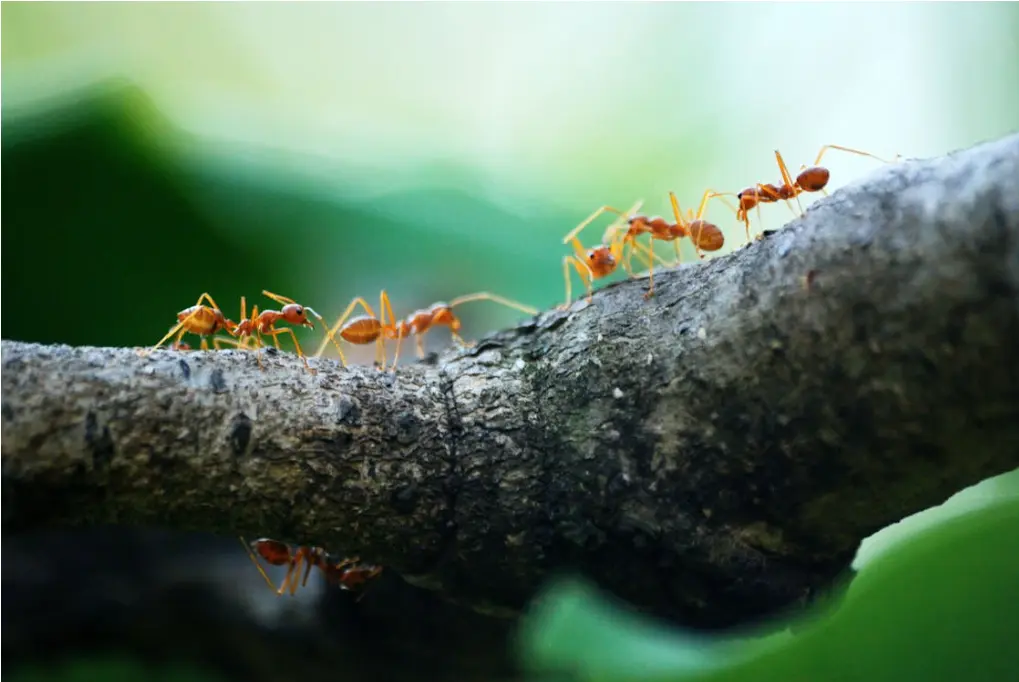
Ants can get through very small gaps. Seal cracks around windows, doors, pipes, and skirting boards with caulk or sealant. Use ant-repellent chalk along door frames if needed.
Also store food properly. Even a well-sealed kitchen will attract ants if sugar, cereals, and pet food are left open.
18. Dried Lemongrass Stalks
Place dried lemongrass stalks in cabinets, drawers, and pantry shelves. Lemongrass contains citronella, which repels ants and other insects.
It is a simple, natural way to protect stored food without using sprays in the kitchen.
Ants in Rooms With No Food?
Ants can show up in bedrooms and living rooms even when there is no food there. Usually they are looking for water, shelter, or a new nesting site away from predators.
Rooms are more likely to attract ants if they are damp, cluttered, or have lots of cracks and gaps. Fix leaks, reduce moisture, declutter, and seal entry points, and the problem usually drops quickly.
How to Get Rid of Red Ants

To deal with red ants, make a bait from equal parts borax and sugar syrup. Place it where you have seen red ants travelling. They will carry it back to the nest, which helps control the colony.
You can also apply diatomaceous earth around nesting areas to dehydrate them. Keep borax baits away from pets and children, and wash your hands after handling them.
How to Get Rid of Carpenter Ants

Carpenter ants nest in damp or rotting wood. The first step is to find and remove the damaged wood, fix leaks, and reduce moisture.
Use boric acid or a commercial carpenter ant bait near their trails, and seal entry points. If the infestation is large or keeps coming back, call a professional pest control service — carpenter ants can damage wood over time.
How to Get Rid of Fire Ants
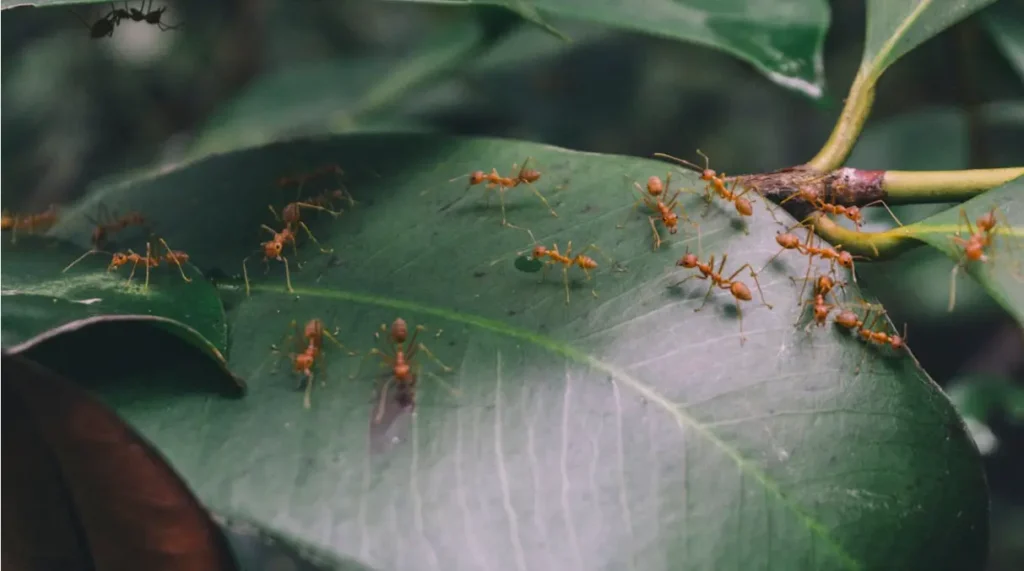
Fire ants need a different approach. Place a bait containing hydramethylnon or spinosad near the mound, away from water. Scout ants carry the bait into the nest, where it slowly affects the colony.
Replace the bait as directed on the product, and avoid disturbing the mound first — disturbed fire ants sting, and they can be dangerous for people with allergies.
Conclusion
Getting rid of tiny ants takes a mix of methods, not just one spray. Clean up food and water sources, use natural repellents first, block entry points, and use baits for stubborn colonies.
Repeat the treatment when ants return, and change your approach if one method stops working. For a large or persistent infestation, a professional pest control service is the safest option.
With steady cleaning and a few of the tips above, you can keep your home ant-free and much more comfortable to live in.
Frequently Asked Questions

1. How can I remove red ants without killing them?
Use natural repellents like vinegar, lemon juice, or essential oils to drive them away instead of using baits.
2. Can ants kill a human?
It is very rare. Fire ants can cause severe allergic reactions in some people, which can be dangerous and need urgent medical attention.
3. How long does it take to get rid of tiny ants?
Usually a few days to a couple of weeks, depending on the method and the size of the infestation.
4. Is borax safe around pets and children?
Borax can be harmful if eaten, so use it with caution. Keep baits out of reach of pets and children, and consider natural methods first if you have them at home.
5. What smells do ants hate most?
Vinegar, citrus, peppermint, and eucalyptus are among the smells ants dislike most.
6. Why do ants suddenly appear in my house?
They are usually searching for food, water, or shelter, especially after rain or when their outdoor nest is disturbed.