20 Poisonous Plants Common In USA You Must Never Touch!
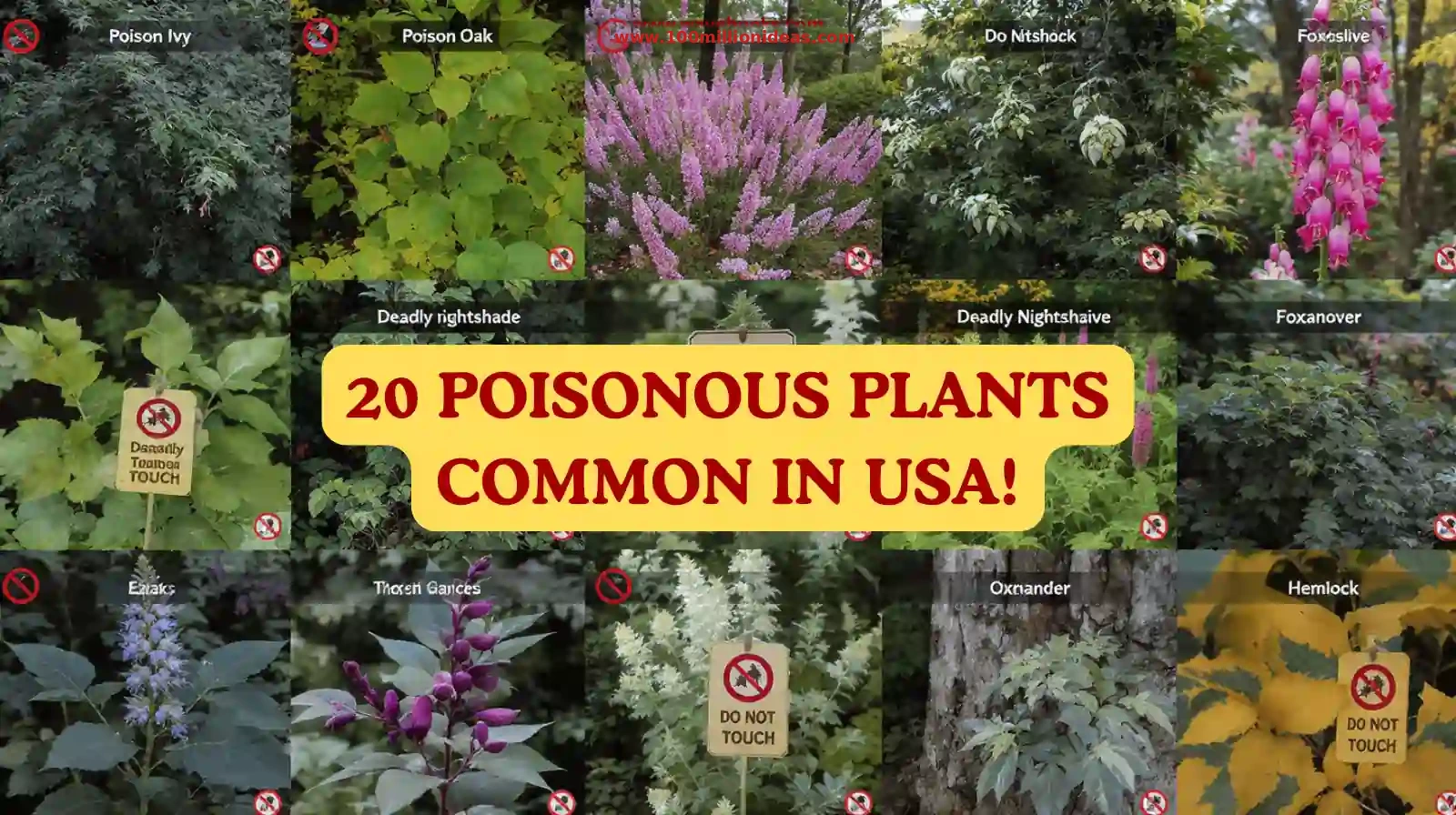
Most people think poisonous plants are exotic threats found deep in jungles, but in truth, they are growing quietly in our own backyards. From innocent-looking wildflowers to glossy houseplants, poisonous plants common in USA affect thousands every year.
Whether you are a parent, pet owner or garden enthusiast, knowing how to identify and avoid these silent toxins could protect your family. Let us uncover the green culprits hiding in plain sight and learn how to stay safe without giving up your love for your plants.
Why Knowing Poisonous Plants Matters

Every year, U.S. poison control centres receive over 64,000 calls related to plant exposures, many involving children under six. The truth is, poisonous plants common in the USA are not rare — they are part of everyday life.
A stroll in the park, a picnic in the woods, or even a walk around your garden can bring unexpected danger. Understanding these plants is not just gardening trivia. It is about protecting your loved ones and pets from harm. Poison ivy oils can linger on clothes. Oleander can kill with just a few leaves, and even decorative houseplants like peace lilies can irritate your skin or eyes.
What Makes a Plant Poisonous?

Not all toxins come from venomous creatures. Some grow from the soil itself. But what makes a plant poisonous? Plants evolved toxins as a natural defence to keep insects, animals and humans from eating them. These toxins appear in different ways:
- Saps or oils that irritate the skin, like urushiol in poison ivy.
- Alkaloids and glycosides that disrupt heart, nerve or digestive function.
- Calcium oxalate crystals, microscopic needles that burn soft tissue.
When touched, inhaled or ingested, these compounds react differently depending on your body’s sensitivity, age and the quantity consumed. Even brushing against some species can cause redness or swelling. In short, a plant’s beauty can hide its danger.
Overview of Poisonous Plants in the USA
America’s landscapes — lush forests, deserts, gardens and wetlands — are home to countless poisonous plants common in the USA. Some attract with vibrant flowers, and others blend quietly into your backyard greenery. Understanding them is not about fear, but about awareness. Here are some toxic plants you should know, their secrets, and how they harm.
1. Poison Ivy (Toxicodendron radicans)

This notorious vine has shiny, three-pointed leaves and thrives along trails and fences. Its oily toxin, urushiol, can linger on tools, clothes and even pet fur for days, spreading rashes through indirect contact. Just a dime-sized amount of urushiol can cause itchy, blistering reactions in hundreds of people.
2. Poison Oak (Toxicodendron diversilobum)
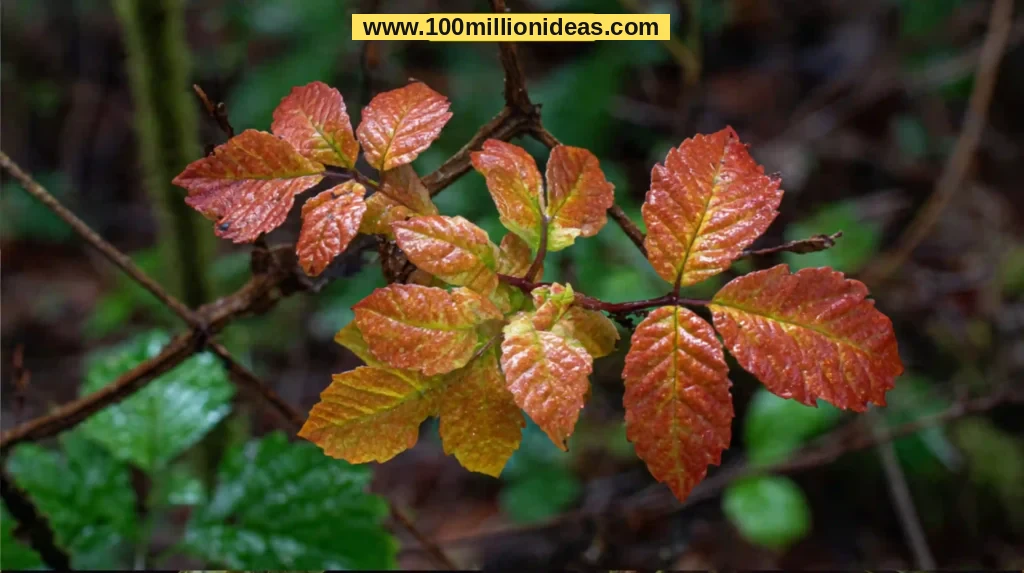
This shrub grows in forests and coastal zones. Its leaves release urushiol, the same resin as poison ivy, causing severe itching, swelling and fluid-filled blisters. The plant changes colour beautifully through the seasons — green in spring, fiery red in fall — making it attractive to touch. Even dead branches can still carry their toxic oils.
3. Poison Sumac (Toxicodendron vernix)

Found mostly in Southern states, this tall shrub bears clusters of white berries. It contains urushiol, and exposure can result in painful rashes or respiratory distress when burned. What makes it more dangerous is its tendency to grow near water, so even stepping off a trail near wetlands can be risky. It is rarer than ivy, but far more potent.
4. Oleander (Nerium oleander)

Every part of this glossy ornamental plant, from leaf to bloom, contains cardiac glycosides. Even tiny amounts can disrupt the heartbeat and cause nausea or death. It is a favourite in Southern gardens due to drought tolerance, but it is toxic. Gardeners should wear gloves and never burn oleander trimmings. Inhaling fumes can cause poisoning, which is one of the poisonous plants that can kill humans.
5. Foxglove (Digitalis purpurea)
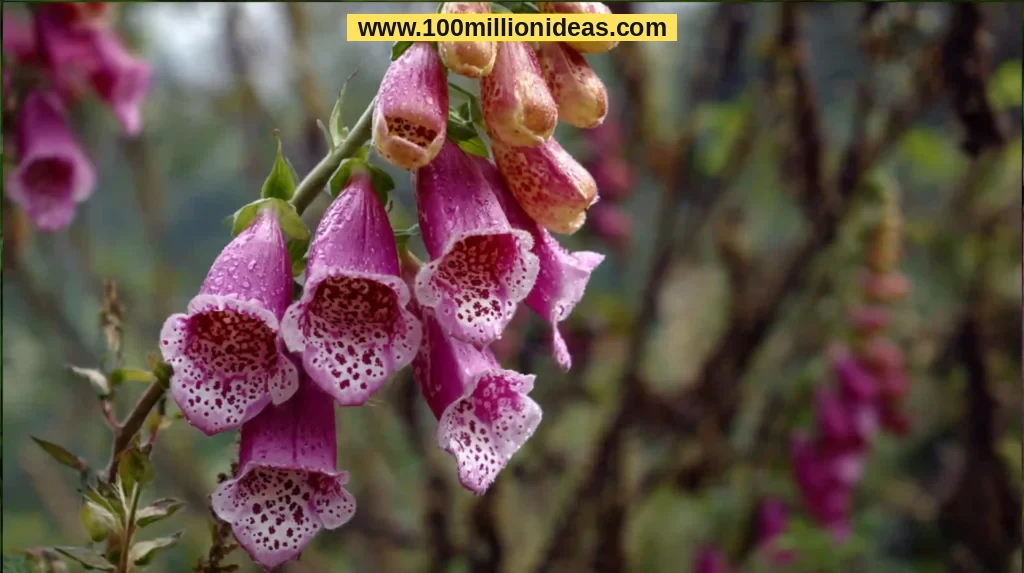
Tall, purple, bell-shaped flowers that look like fairy hats, but inside lies digitalin, a chemical that affects heart rhythm. Just biting a petal or leaf can cause irregular heartbeat or dizziness. Ironically, this same toxin became the foundation for life-saving heart medicine. Foxglove’s dual nature makes it both a gift and a risk among poisonous plants common in the USA.
6. Jimsonweed (Datura stramonium)

Its trumpet-shaped flowers attract pollinators but conceal deadly tropane alkaloids. Consuming seeds or leaves causes hallucinations, fever or paralysis. Historically, it was used in rituals for visions, but even small doses can be fatal. The plant’s spiky seed pods often attract children, making it a silent hazard in rural fields.
7. Water Hemlock (Cicuta maculata)

Easily mistaken for wild carrots, water hemlock is the deadliest of all. It grows near streams and marshes, containing cicutoxin, a neurotoxin that triggers seizures and respiratory failure within minutes. Livestock often fall victim after grazing. Its hollow stems hold pockets of toxic sap. Just a drop can kill a person.
8. Deadly Nightshade (Atropa belladonna)

This elegant plant bears purple flowers and black berries that appear sweet but are deadly. Its atropine and scopolamine compounds disrupt nerve signals, causing hallucinations, dry mouth and heart failure. Historically used by women to dilate pupils, it is now banned for cosmetic use. Children are especially at risk because its berries resemble those of wild cherries.
9. Castor Bean (Ricinus communis)
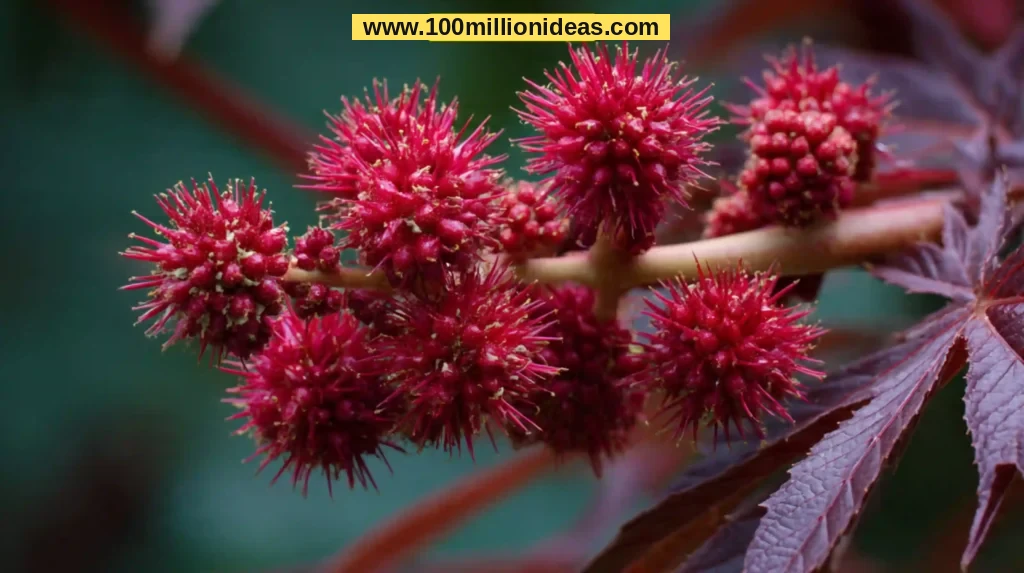
A showy ornamental with large leaves and spiky seed pods, but its seeds contain ricin, one of Earth’s most lethal poisons. Just one seed can kill a small child. Though castor oil is safely extracted from the plant after detoxification, handling seeds carelessly is risky. It is both industrially valuable and biologically dangerous — a paradox in green form.
10. Angel’s Trumpet (Brugmansia spp.)

Large, fragrant blossoms droop like chandeliers in summer gardens. However, under their beauty lies scopolamine and hyoscyamine, compounds that distort reality and slow breathing. Even inhaling its scent in enclosed spaces may cause dizziness. Once used in witchcraft legends, this tropical shrub remains one of the most deceptive poisonous plants common in USA.
11. Lily of the Valley (Convallaria majalis)

Tiny white bells symbolise purity, but their sweetness hides cardiac glycosides toxic to humans and pets. Ingesting just a few stems can cause vomiting, blurred vision or heart failure. Even water from a vase containing the flowers can carry trace toxins. Always handle with gloves and keep them away from children’s reach.
12. Rhododendron (Rhododendron spp.)

A favourite mountain flower that turns dangerous when ingested. It contains grayanotoxins that cause mad honey poisoning, leading to dizziness, weakness and cardiac irregularities. Ancient soldiers once used this honey to disable enemies. Today, its beauty masks its potent threat, especially for foragers and campers unfamiliar with wild varieties.
13. Dieffenbachia (Dumb Cane)
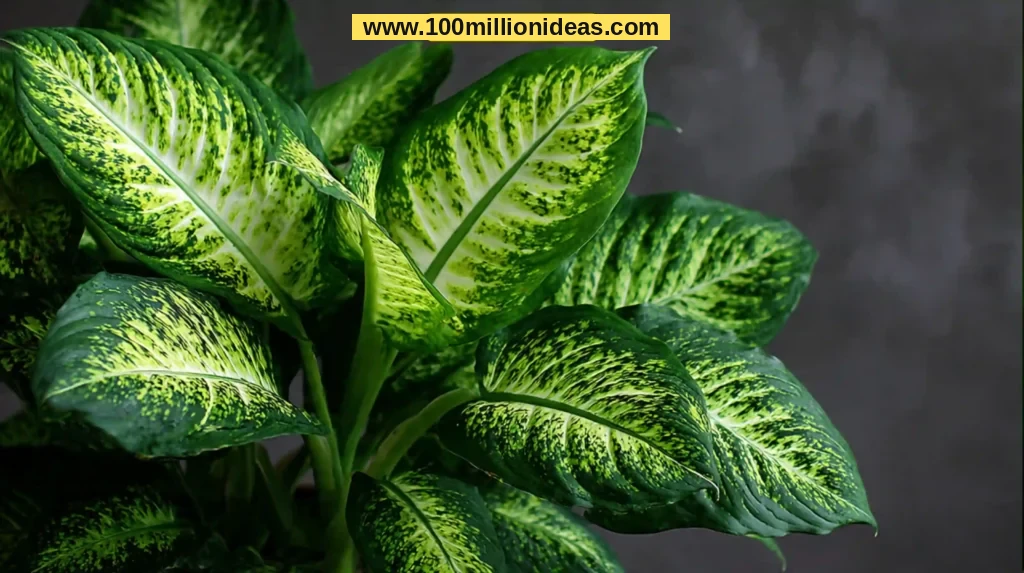
This common office plant’s milky sap contains needle-like calcium oxalate crystals that pierce mouth tissue, causing instant pain, swelling and inability to speak — hence the name dumb cane. While not usually deadly, it can cause severe distress if ingested. Keep it away from pets and curious children who might chew the leaves.
14. Peace Lily (Spathiphyllum spp.)

Elegant and air-purifying, yet its smooth green leaves hold the same calcium oxalate crystals as dieffenbachia. In pets, ingestion can lead to drooling, vomiting and throat irritation. For humans, contact can cause mild skin burning. Ironically, this symbol of peace is one of the most underestimated poisonous plants common in USA homes.
15. Pokeweed (Phytolacca americana)

Glossy purple berries tempt many to taste, but the roots, stems and fruit contain saponins and alkaloids that inflame the digestive system. While some Southern recipes call for boiled poke salad, improper cooking can still cause poisoning. Birds eat it safely, but humans should steer clear of its beauty with a dark secret.
16. English Yew (Taxus baccata)

An evergreen with red, berry-like arils that attract wildlife and children. Inside, taxine alkaloids slow the heart rhythm to fatal levels. Throughout history, yew was used in arrow poisons and even in suicides. Its symbolism of eternity makes it common in cemeteries — an eerie resting place for one of the oldest toxic plants on Earth.
17. Philodendron (Philodendron spp.)

A popular trailing plant loved for its lush foliage, but beware — its leaves contain calcium oxalate that irritates the mouth and stomach. Pets and toddlers often get exposed to chewing leaves. Even touching sap can cause skin irritation. It is a reminder that even home greenery can hide within the list of poisonous plants common in USA.
18. Hydrangea (Hydrangea macrophylla)
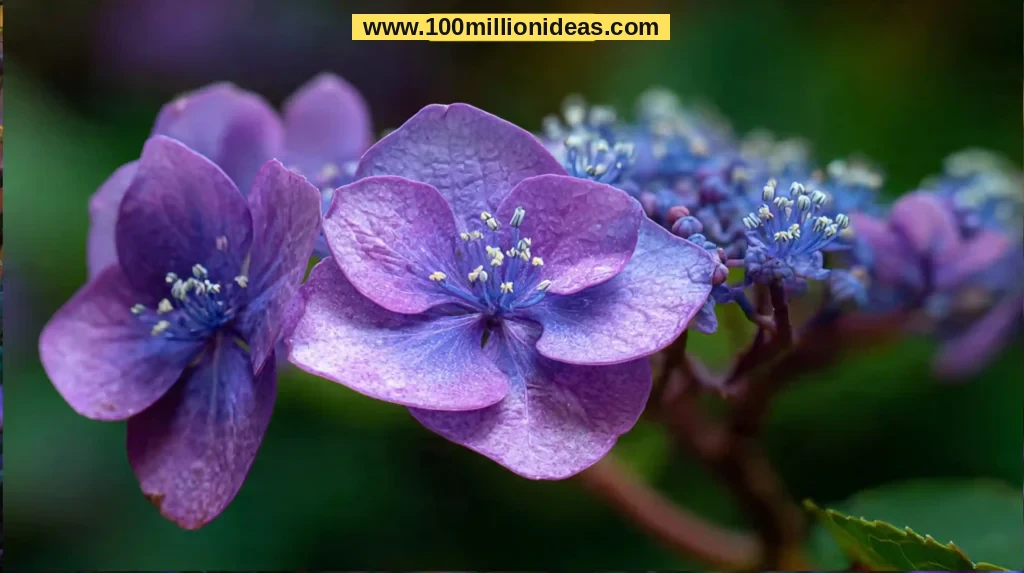
Charming blooms that shift colours with soil pH, pink to blue, but inside lurk cyanogenic glycosides. When digested, they release cyanide, leading to rapid pulse and breathing difficulty. Though fatalities are rare, symptoms can be alarming. Always keep dried hydrangeas out of children’s reach and avoid using them in edible decorations.
Seasonal Insight: Fall’s Hidden Threat
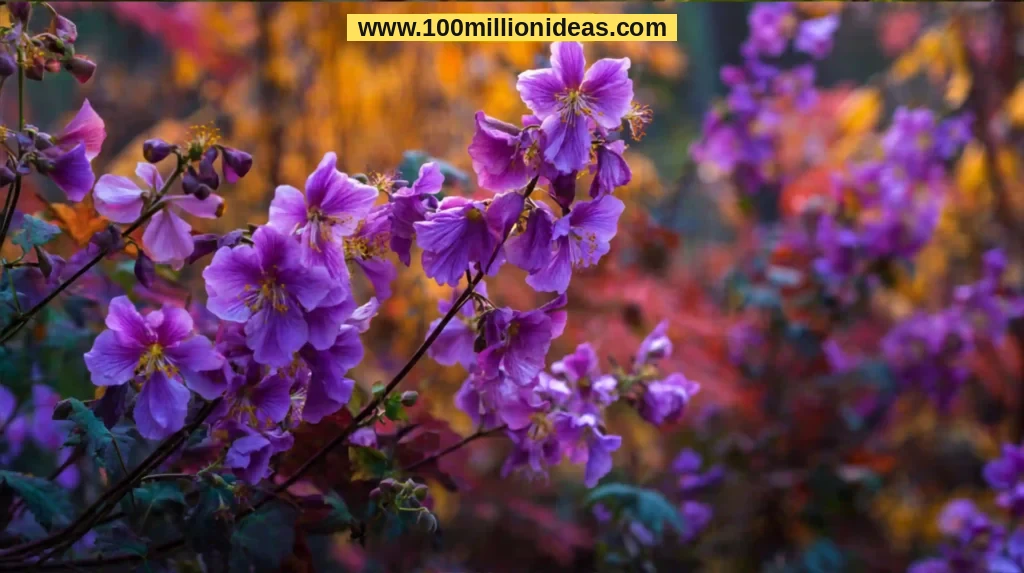
Autumn is the most surprising time to explore nature, but also the season when poisonous plants common in USA are at their most vibrant. Cooler weather triggers rich reds, golds and purples that make toxic plants like poison ivy, pokeweed and sumac look more inviting than ever.
As gardeners trim or burn yard waste, they risk releasing toxic smoke that causes lung irritation and severe allergic reactions. A simple bonfire or pile of raked leaves can unknowingly turn into a health hazard. Awareness is your greatest defence this season. Learn to recognise the warning signs: waxy leaves, milky sap, clustered berries, and teach children not to touch unfamiliar plants.
Symptoms of Poisoning to Watch For
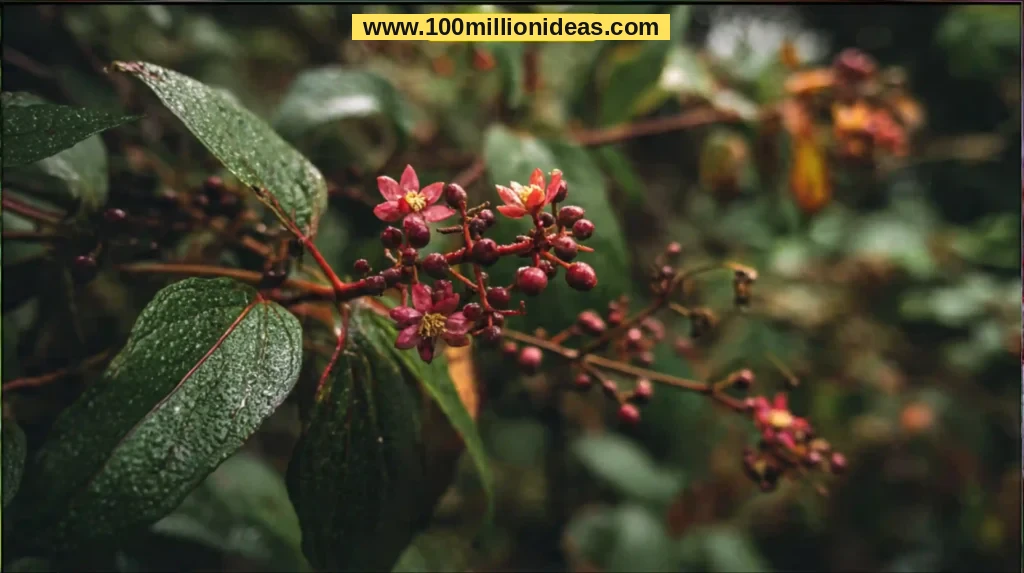
Catching the warning signs early can mean the difference between a minor rash and a serious emergency. Symptoms do not all look the same. They depend on the plant, how much you touch or swallow, and even your body’s own sensitivity. Here is what to watch out for:
1. Skin Contact Symptoms: Redness, itchy rashes, small blisters, or swelling are traditional signs after touching poison ivy, oak or sumac. These plants release an oil that can stick to your skin, clothes, or even your pet’s fur and spread fast if not washed off.
2. Ingestion Symptoms: Nausea, stomach cramps, dizziness and confusion usually from eating toxic berries or leaves like those of nightshade or lily of the valley. Even a single berry can make a child or pet seriously ill.
3. Respiratory Symptoms: Coughing, throat tightness, or shortness of breath can occur after breathing smoke from burning poisonous plants. Never toss brush into a fire unless you know exactly what is in it.
4. Neurological Signs: Hallucinations, muscle weakness, or even seizures — these often come from plants rich in dangerous alkaloids such as jimsonweed or water hemlock. These toxins target your nervous system fast.
If several people or pets start feeling unwell after outdoor time, it is probably plant-related. Do not wait for it to pass. Get help right away.
First Aid Tips and When to Seek Medical Help
If you think you have come in contact with poisonous plants, acting fast makes all the difference. Here is a simple guide you can remember:
1. Skin Contact Symptoms: Redness, rashes, blisters, swelling, or intense itching, especially after touching poison ivy, oak or sumac. These oils can trigger allergic reactions that spread fast if not cleaned quickly.
2. Ingestion Symptoms: Nausea, vomiting, stomach cramps, dizziness and confusion are common after eating toxic berries or leaves like those from nightshade or lily of the valley. Even a few bites can cause serious reactions, especially in children or pets.
3. Respiratory Symptoms: Coughing, shortness of breath, or throat swelling. These can occur after inhaling smoke from burning poisonous plants. Never burn yard waste unless you are certain it is safe.
4. Neurological Signs: Hallucinations, muscle weakness, or seizures often caused by plants containing potent alkaloids like jimsonweed or water hemlock. These toxins can affect your nervous system within minutes.
If multiple people or pets experience symptoms after outdoor exposure, it is almost always plant-related. Do not wait — act fast and seek medical help.
How to Safely Identify and Avoid Poisonous Plants
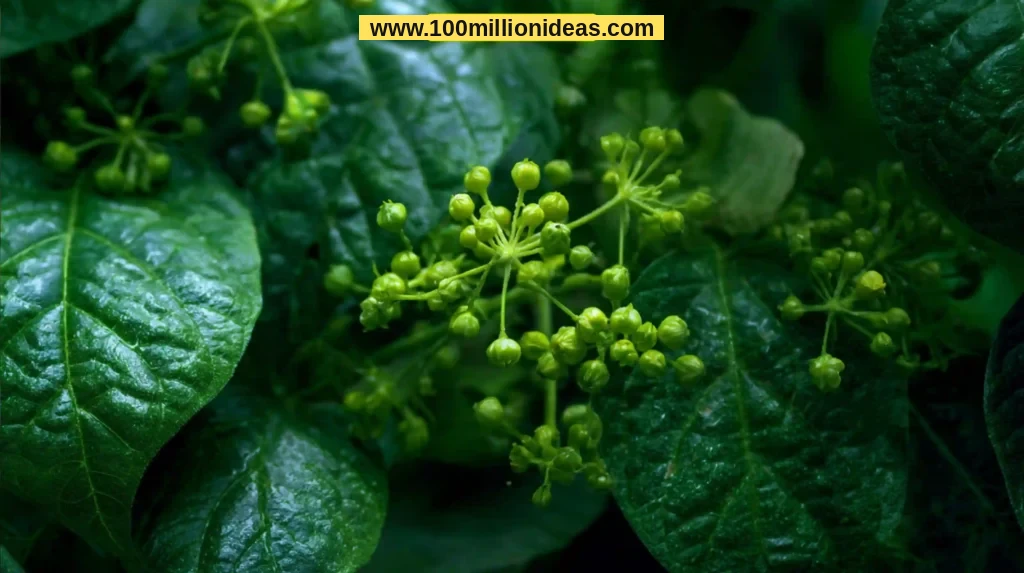
You do not need a science degree to stay safe. Just train your eyes to notice the small clues most people miss. Many poisonous plants common in USA share visual red flags once you know what to look for.
Step 1: Notice the Leaves: If you have noticed a glossy or waxy texture, it usually means toxic oils, like in poison ivy or oak. Clusters of three leaves — stay away. Milky sap or white ooze, which is seen in irritant species such as poinsettia or milkweed.
Step 2: Check Flowers and Berries: Bright colours usually mean “stay away”. Nature uses colour as a warning sign. White or red berry clusters are usually found on nightshade or pokeweed, both of which are highly toxic.
Step 3: Learn Local Look-Alikes: Use a plant ID app or carry a field guide. Some poisonous plants common in the USA simulate safe ones. For example, water hemlock looks almost similar to wild carrot. A quick photo comparison before touching can prevent disaster.
Step 4: Gear Up: Long sleeves, gloves and boots go a long way when hiking or gardening. Keep rubbing alcohol in your bag. It breaks down the toxic oils if you brush against something risky.
Step 5: Pet-Proof and Child-Proof Your Space: Place houseplants like dieffenbachia, philodendron and peace lily on high shelves. Teach children to never taste leaves or berries outdoors, no matter how pretty they look.
Real Story: Awareness Saves Lives
In 2023, a family in Colorado almost lost their dog after it chewed on oleander leaves from a garland. The quick-thinking owner snapped a photo, identified the plant, and rushed to the vet, saving the pup’s life. That one act of awareness went viral and inspired countless others to swap dangerous plants for safe ones.
That is how knowledge changes lives. Understanding poisonous plants common in USA turns fear into protection and protection into peace of mind.
Follow and Keep This Green Safety Checklist

Before heading outdoors or starting your next gardening project, run through this quick checklist:
- Take photos, don’t touch. Curious about a plant? Capture it, don’t handle it.
- Keep alcohol wipes handy. Perfect for cleaning accidental contact areas.
- Dress for safety. Long sleeves and gloves are your first defence.
- Watch your pets. Don’t let them chew or sniff unknown plants.
- Swap risky greens. Replace toxic houseplants with safe choices like Boston fern or spider plant.
These small, mindful habits soon become second nature. You will start noticing potential risks before they happen, and that is real safety.
Conclusion: Poisonous Plants Common in USA
Many poisonous plants common in USA hide behind bright flowers and shiny leaves, appearing harmless to the untrained eye. But beauty does not always mean safety. The next time you see a vine shining after rain or berries sparkling in the sun, pause for a second.
Admire them but from afar. Awareness does not make you fearful. It makes you wiser. Want to keep your family and pets safe this season? Take five minutes today to identify what is growing around your home. That tiny bit of knowledge could save a life tomorrow.
FAQs: Poisonous Plants Common in USA

1. What are the most poisonous plants common in the USA?
Across the country, nature hides danger in plain sight. The most notorious poisonous plants common in the USA include poison ivy, oleander, water hemlock, deadly nightshade and foxglove. It is easy to walk past these plants every day without realising the risk. Awareness transforms ordinary walks into safe adventures.
2. Can touching poisonous plants make you sick without eating them?
Absolutely. And this is where most people get caught off guard. You do not need to eat a leaf or berry to get poisoned. Just a contact of skin can trigger chaos. Plants like poison ivy, oak and sumac release an invisible oil called urushiol. It does not sting right away, which is why people often do not notice. Hours later, a fiery rash blooms — itchy, red and impossible to ignore.
3. What should I do if my pet eats a toxic plant?
Many poisonous plants, such as lilies, sago palms and azaleas, are extremely toxic to pets. Even small bites can lead to seizures, heart problems or liver failure. Acting fast could be life-saving. In 2024 alone, over 27,000 pet poisoning cases in the U.S. were linked to household and garden plants. A few minutes of awareness can mean a lifetime of extra cuddles.
4. Are all colourful plants poisonous?
Not all, but colour is nature’s clever warning sign. Bright reds, purples and yellows attract, but they also signal, “Handle with care.” Many of the most poisonous plants use their beauty as a mask. But when you are unsure, remember the golden rule: don’t touch. A quick photo and an ID app can save you from a world of regret.
5. Is it safe to burn poison ivy or oak?
No, never. Burning these plants is one of the most dangerous mistakes people make. When poison ivy, oak or sumac burns, they release toxic urushiol particles into the air. Breathing them can cause severe lung inflammation, throat swelling, or even hospitalisation.
6. Which season is riskiest for plant poisoning?
While danger exists year-round, spring and fall are the peak seasons for exposure to poisonous plants common in USA. Every season has its risks. Those two demand the most vigilance. Enjoy them, but stay alert. Nature does not take holidays, and neither should your awareness.


