Why Is My Snake Plant Drooping? Don’t Ignore These Red Flags!
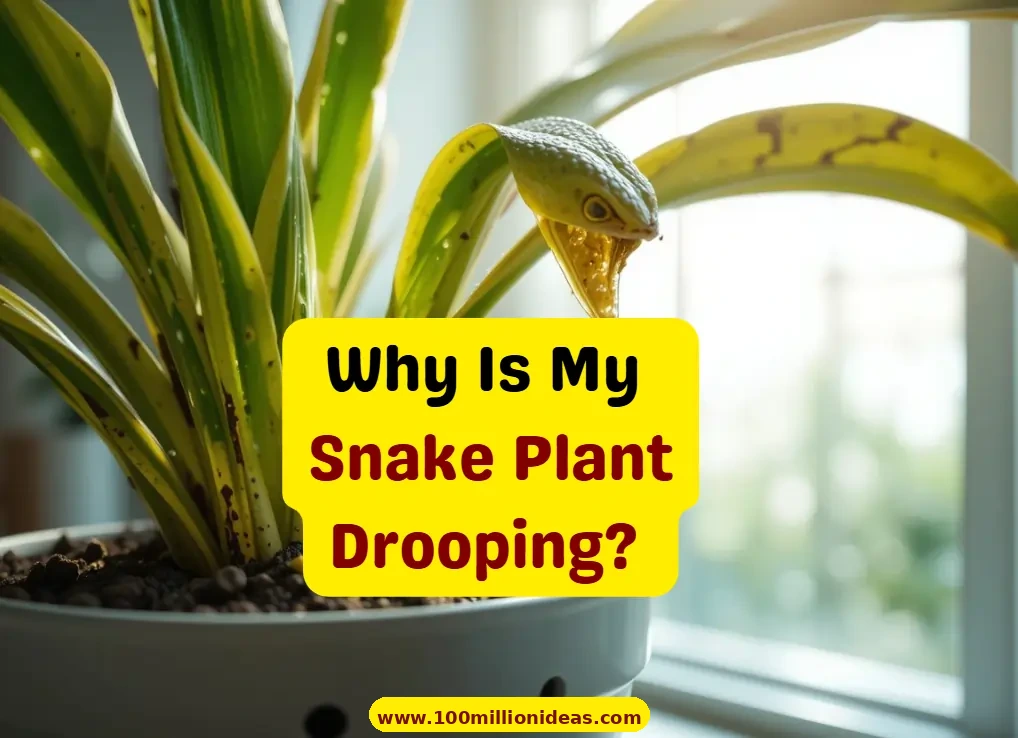
Why is my snake plant drooping? That was the first thing I asked myself when my once-upright, sword-like leaves started to sag and flop over.
It honestly broke my heart to watch such a tough, low-maintenance plant struggle like that.
As the saying goes, “A happy plant is a reflection of a happy home.”
After plenty of reading, experimenting, and a few mistakes of my own, I finally worked out what was really behind my plant’s decline.
If your snake plant is looking lifeless too, do not panic. This guide will help you bring it back to standing tall!
why is my snake plant drooping: 10 Easy Fixes You Can Follow!
Here are the main reasons your snake plant is drooping, along with simple fixes for each one:

1. Overwatering – The Ultimate Snake Plant Killer
Overwatering is the number one reason snake plants droop.
Their roots simply are not made for constant wetness. When they sit in soggy soil for too long, root rot sets in, and the leaves turn soft, limp, and lifeless.
- Check the soil first. If it still feels damp, put the watering can down!
- Switch to a fast-draining mix — a cactus soil blend works brilliantly.
- Repot right away if you suspect the roots are already rotting.
Pro Tip: Only water your snake plant when the top 2 inches of soil have dried out completely.
2. Underwatering can cause snake plant drooping
Yes, snake plants can handle drought, but if you ignore them for too long, their leaves grow weak, wrinkled, and droopy.
The Fix:
- Give the plant a deep soak, and let the extra water drain out fully.
- Follow a routine: water every 2–3 weeks in summer and about once a month in winter.
- Keep an eye on soil moisture so you never leave it dry for too long.
3. Poor Drainage – A Silent Killer
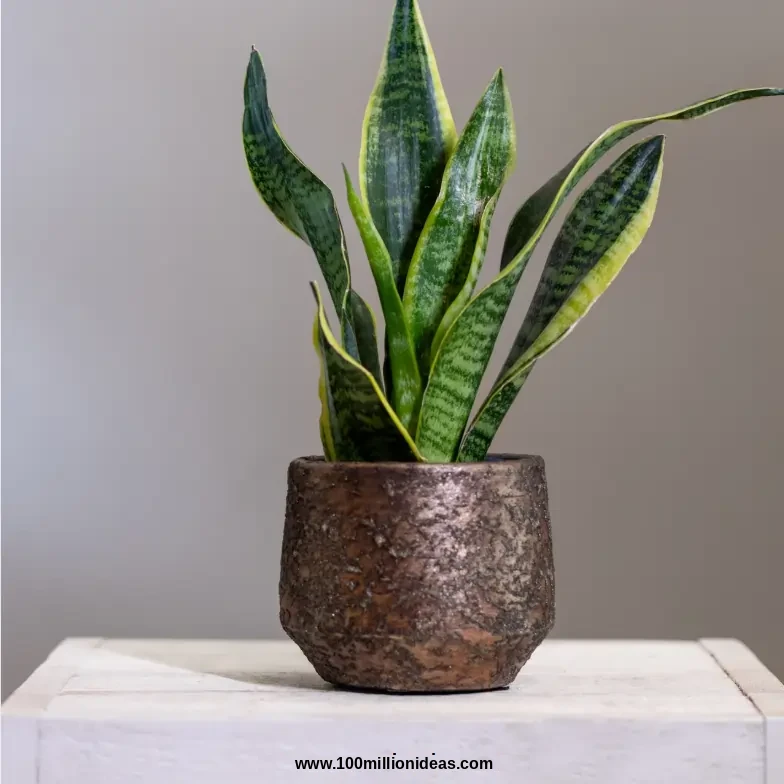
If your snake plant’s pot traps water, the roots end up drowning in stagnant moisture, and drooping follows.
- Choose a terracotta pot with drainage holes.
- Mix perlite or pumice into the soil for better airflow.
- Never leave your plant sitting in a saucer full of water.
4. Lack of Light – Your Plant is Starving for Sun!
Snake plants love bright, indirect light. When they do not get enough sun, their structure weakens and the leaves droop like tired soldiers.
- Move your plant to a brighter spot, but keep it out of harsh direct sunlight.
- Get a grow light if your home does not get enough natural light.
- Turn your plant every few weeks so all sides get even exposure.
5. Extreme Temperatures can cause the snake plant drooping
Snake plants (Dracaena trifasciata) hate the cold below 50°F and extreme heat above 85°F. Sudden temperature swings put them under serious stress!
- Keep the plant in a spot with a steady temperature.
- Avoid placing it near AC vents, radiators, or drafty windows.
- Move it away from sudden blasts of hot or cold air.
6. Root Bound – The Plant Outgrows Its Home

If you can see roots pushing out of the drainage holes, your plant is suffocating in a pot that is too small.
- Repot into a container that is 1–2 inches bigger.
- Use fresh, nutrient-rich soil to give it a boost.
- Repot every 2–3 years so the roots never get overcrowded.
7. Pest attack can cause snake plant drooping
Pests such as mealybugs and spider mites suck the life out of your snake plant, leaving it droopy and yellow.
- Inspect your plant closely for sticky residue or tiny bugs.
- Wipe the leaves with neem oil or insecticidal soap.
- Isolate any infested plant so the pests cannot spread to others.
8. Fungal Infections – The Hidden Threat

Too much moisture invites fungal diseases that attack the leaves and roots, and drooping is one of the first signs.
- Remove any infected leaves immediately.
- Apply a fungicide to kill off the spores.
- Keep your plant in a spot with good air circulation.
9. Nutrient Deficiency – Weak Roots, Weak Plant!
When your plant runs low on essential nutrients, especially nitrogen and potassium, its leaves turn flimsy and lifeless.
- Feed it with a balanced houseplant fertilizer every 6–8 weeks during spring and summer.
- Avoid over-fertilizing — too much food can do more harm than good!
- Flush the soil with water now and then to wash away built-up salts.
10. Physical Damage can cause snake plant drooping
If your plant has been bumped, knocked over, or handled roughly, its leaves can weaken and droop.
- Support damaged leaves with small stakes.
- Trim off any leaves that are severely bent or broken.
- Keep your plant in a safe, stable location where it will not get knocked around.
Why is my snake plant drooping and yellow

I noticed my beloved snake plant was not looking its best — its strong green leaves were drooping and turning yellow!
After a bit of digging, I realized the cause was overwatering, poor drainage, or not enough sunlight.
Too much water leads to root rot, while compacted soil traps moisture and stresses the plant.
The fix? Let the soil dry out fully, switch to a well-draining pot, and move the plant into bright, indirect light.
Why is my snake plant drooping after repotting

When I repotted my snake plant, I expected it to thrive — but instead, it started drooping!
At first I panicked, but then I realized root shock was the culprit.
Moving to a new pot can stress the plant and disturb its root system. Sometimes, using a much larger pot also causes excess moisture to build up, which leads to droopiness.
My fix? Minimal watering, indirect light, and patience. It took a while, but soon my snake plant adjusted and perked up again.
What Are The Snake plant dying signs?

I knew something was wrong when my snake plant’s once-tough leaves started turning yellow, drooping, and feeling mushy.
Those are all warning signs! If the leaves look wrinkled or dry, underwatering is the likely cause. Soft, brown spots? Root rot is creeping in! And a foul smell coming from the soil? That points to a serious fungal infection.
If your plant is not sprouting any new growth, it is struggling. The key is catching these signs early, before it is too late.
How often should you be watering a snake plant?
I have made the mistake of overwatering my snake plant before, and trust me, it hates it!
I only water mine every 2–3 weeks, making sure the soil dries out completely between waterings.
Less is more with snake plants — they thrive on a little neglect rather than too much moisture!
Can an overwatered snake plant fully recover?

Absolutely! I once drowned my poor snake plant with too much love (in other words, too much water), but with patience, it bounced back.
The secret? Trim away the rotten roots, repot in dry, well-draining soil, and hold off on watering for a while.
Give it bright, indirect light and some time, and it will recover!
Snake Plant Leaves Turning Brown and Crispy?
When my snake plant’s leaves turned brown and crispy, I knew something was off.
It felt like they were sunburnt, thirsty, or suffocating in dry air.
As it turned out, too much direct sunlight, underwatering, or low humidity were the culprits.
I moved the plant into indirect light, gave it a deep soak, and raised the humidity — and guess what? The crispy edges stopped spreading!
Conclusion: Why is my snake plant drooping

A drooping snake plant is not doomed! Find the cause — whether it is overwatering, poor drainage, or a lack of light — and fix it quickly.
With the right care, your snake plant will stand tall and thrive again!