Can You Use Clothes Detergent to Wash Dishes? Effective Guide!

“Cleanliness is next to godliness,” they say — but what if you are out of dish soap and your clothes detergent is right there? Can you use clothes detergent to wash dishes?
You are not alone in wondering. It might seem like a quick fix, but using laundry detergent on dishes is not a wise choice. Here is why laundry detergent should stay in the laundry room, not the kitchen.
Understanding the Composition of Clothes Detergent
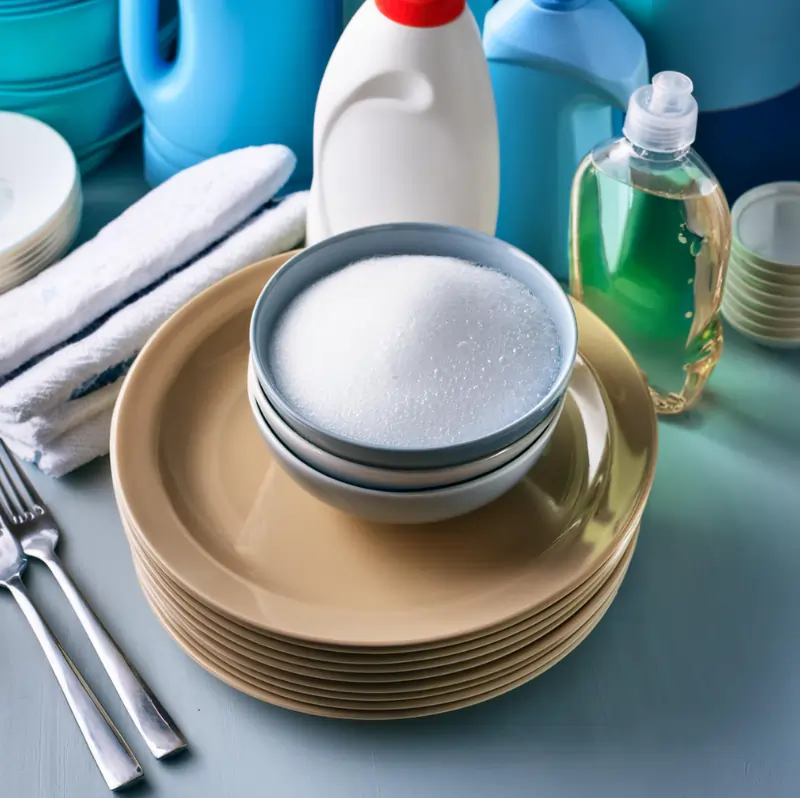
Knowing what is inside laundry detergent helps you understand why it is not meant for dishes. Its key components are:
1. Surfactants
Surfactants remove dust, oil, and stains from clothes. They are essential for breaking down oil and dirt.
2. Enzymes
Enzymes target specific stains such as blood, egg, starch, and oil.
3. Builders
Builders improve the surfactants’ effectiveness by softening water, preventing soap scum, and helping the detergent clean better.
4. Solvents
Solvents, including alcohols and other chemicals, help dissolve oil residues and rinse away hard stains.
5. Fragrances
Fragrances do not clean, but they give laundry a pleasant scent and help remove odours.
6. Dyes
Dyes are used for branding and colour, not cleaning. They make the detergent look distinctive.
7. Optical Brighteners
Optical brighteners make clothes look whiter and brighter by reflecting light. They do not clean, they only improve appearance.
8. Preservatives
Preservatives extend the product’s shelf life and protect it from micro-organisms, mould, and mildew.
9. Anti-Foaming Agents
These control how much foam is produced while washing, because too much foam can reduce washing efficiency and cause problems in machines.
10. pH Adjusters
pH adjusters keep the detergent at the right pH level so it cleans effectively without damaging fabric.
Can You Use Clothes Detergent to Wash Dishes: 5 Potential Risks
If you have ever run out of dish soap and considered laundry detergent as a substitute, it is worth rethinking. Here are five risks:
1. Damage to Dishware
Laundry detergent contains harsh chemicals that can damage delicate dishware. Over time they may cause discoloration, especially on non-stick surfaces, and shorten the life of your dishes.
2. Allergic Reactions

Fragrances and other ingredients in laundry detergent can cause allergies and skin irritation if they come into contact with food or skin. This can affect anyone who uses those dishes.
3. Excessive Foam Formation
Laundry detergent produces far more foam than dish soap. That can cause overflow and a mess in the sink, and it makes dishes harder to rinse properly, leaving residue behind.
4. Ineffective Stain Removal
Laundry detergents are designed for fabric stains, not food residues. They will not effectively remove meal residues, leaving dishes less clean than they should be.
5. Risk to Children
If dishes washed with laundry detergent are used by children, there is a high risk of them ingesting harmful chemicals. Children are more vulnerable to toxins because of their smaller size and lower immunity.
Difference Between Dish Soap and Laundry Detergent
Dish soap and laundry detergent serve similar cleaning roles, but they are made for different jobs. Dish soap cleans residues from dishes, while laundry detergent tackles stains and odours on clothes. Understanding the difference helps you use each product correctly.
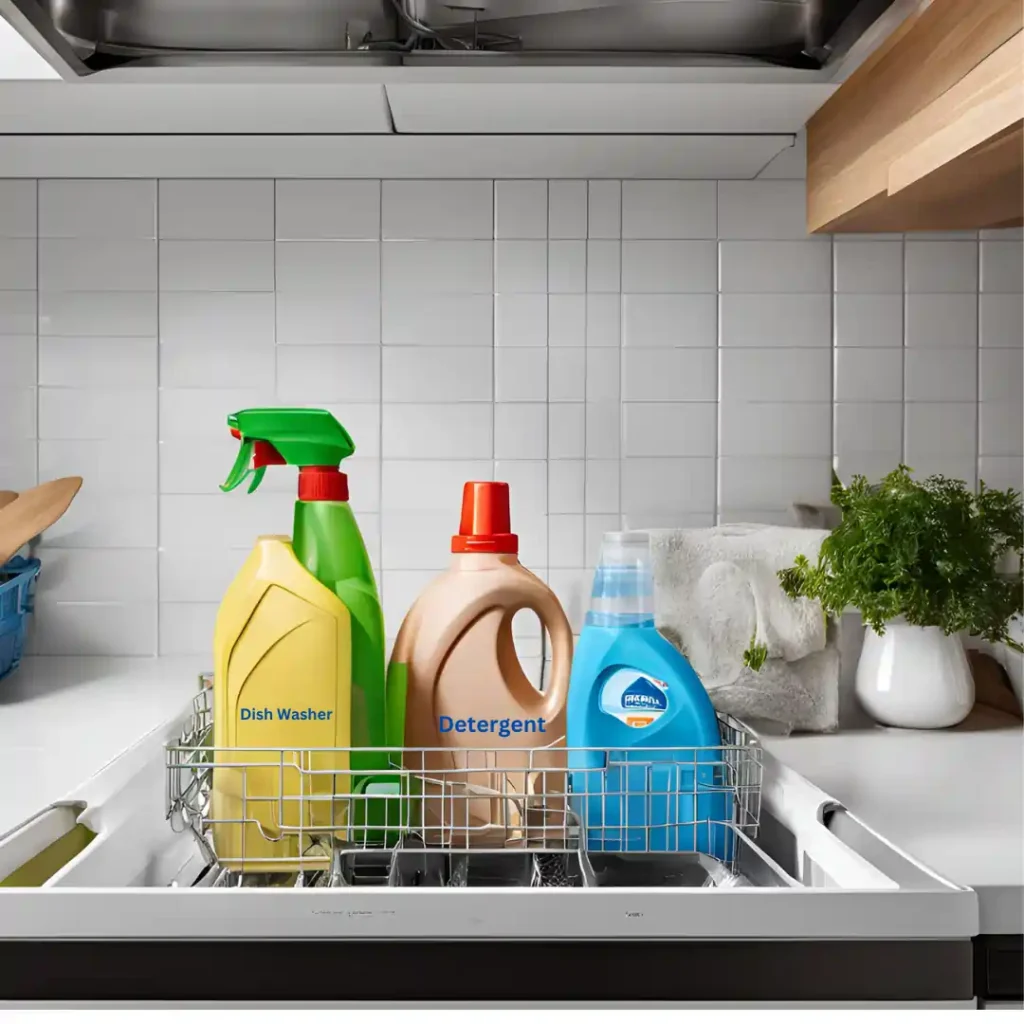
What Is in Dish Soap?
- Surfactants: The main cleaning agents that lift oil and grime from dishes.
- Builders: Soften water, prevent soap scum, and improve cleaning power.
- Solvents: Chemicals such as alcohol that dissolve stubborn oil and food residues.
- Fragrances: Added for a pleasant scent and to remove residual odours.
- Colorants: Give the soap a distinctive appearance.
- Preservatives: Prevent bacteria and mould growth so the soap stays safe and effective.
What Is in Laundry Detergent?
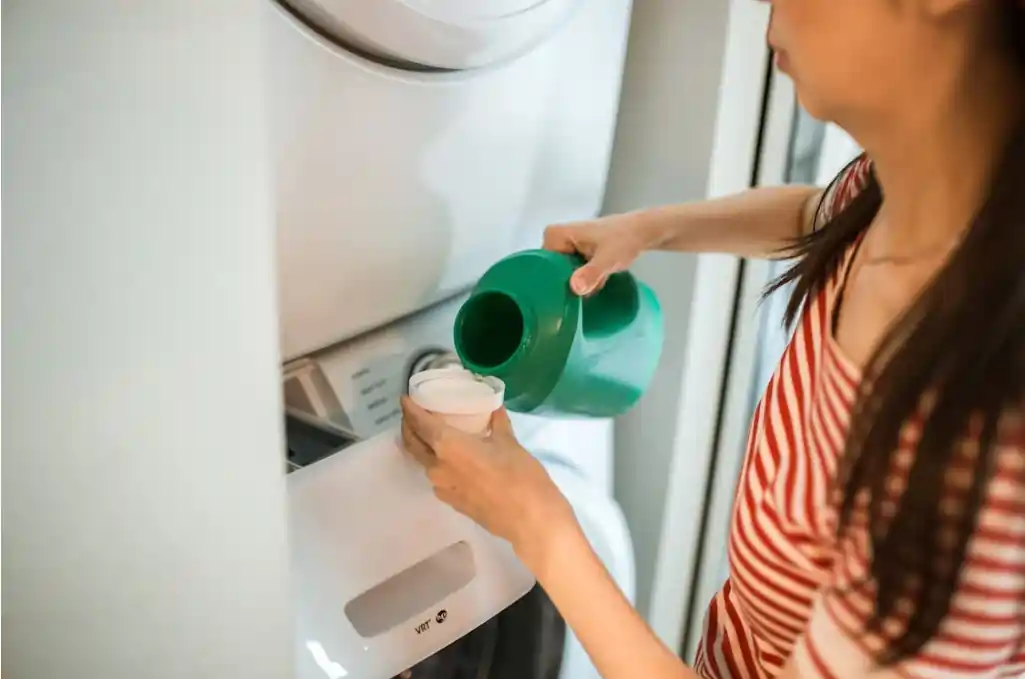
- Surfactants: Break down and lift stains and dirt from fabrics.
- Enzymes: Target specific stains such as blood or starch.
- Builders: Improve surfactant performance by softening water and binding minerals.
- Fragrances: Add a pleasant scent to laundry.
- Dyes: Give the detergent a distinctive colour.
- Optical Brighteners: Reflect light to make fabrics look whiter and brighter.
Steps for Washing Dishes Without Dish Soap: 4 Simple Steps

If you need to wash dishes without dish soap, these simple techniques work well:
1. Rinse Thoroughly
Rinse dishes with warm water to remove food debris and oil. Hot water helps dissolve dried and sticky residues. Rinse every corner and edge well to prepare the dishes for deeper cleaning.
2. Use Baking Soda
Baking soda cleans oil and food residues powerfully without scratching surfaces, and it removes odours easily. Sprinkle it on damp dishes, scrub with a sponge or brush, then rinse thoroughly.
3. Add Vinegar
Vinegar is a natural disinfectant that removes food residue. Mix equal parts water and white vinegar and use it to rinse the dishes. Pour it over them, then rinse again with warm water. It also reduces lingering odours and leaves dishes clean.
4. Dry Properly
After rinsing, let dishes air-dry on a clean rack. Make sure they dry completely to avoid water spots and residue. Air drying also prevents bacteria and mildew that thrive in damp conditions.
What Can I Use to Wash Dishes Instead of Dish Soap?
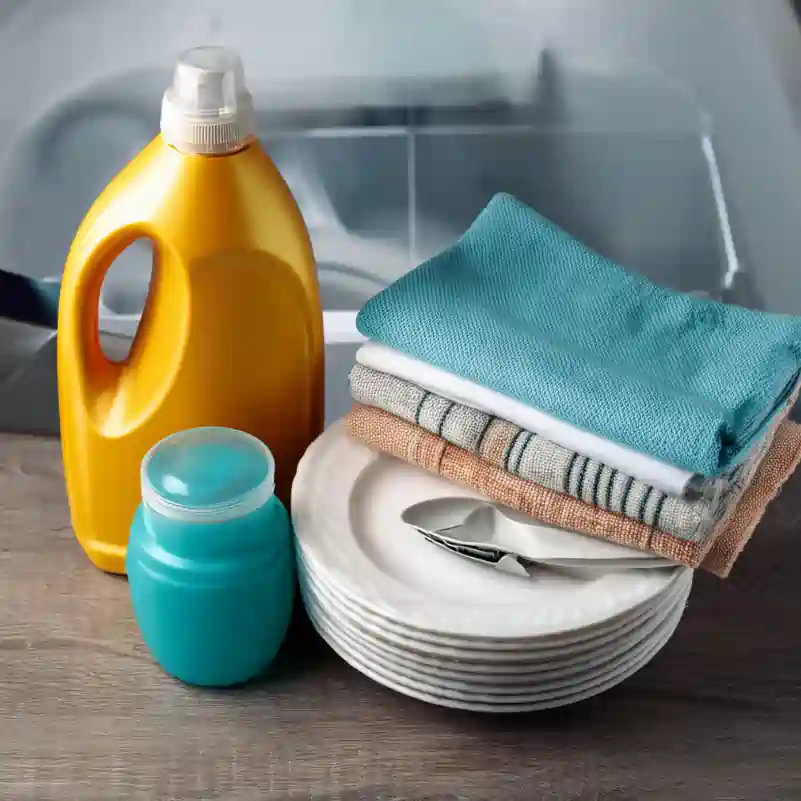
If you have run out of dish soap, several household items can clean your dishes:
1. Lemon Juice
Lemon juice has antibacterial qualities, and its citric acid breaks down tough residues. Mix it with water for a powerful cleaning solution and natural disinfectant.
2. Salt as an Alternative
Salt has moderate antibacterial properties and its texture helps remove stubborn residues without scratching. Use it as a pre-wash scrub, or combine it with lemon juice or vinegar.
3. Cornstarch
Cornstarch absorbs oil and is safe for delicate dishes. Sprinkle it on dishes before washing to lift sticky residues, or mix it with water into a paste for stronger scrubbing. It is especially useful for pots and pans with sticky food stains.
4. Tea Bags
Brewed tea, especially black tea, helps remove oil. It is gentle, and its antioxidants help with minor antibacterial needs. Use tea to rinse or soak dishes.
5. Milk as a Natural Ingredient

The fat in milk can break down oils and residues, especially in oily pots and pans. Soak dishes in milk before washing to make cleaning easier, then wash with hot water.
Can I Use Shampoo to Wash Dishes?
Shampoo is made for hair and will not properly remove food residues. It is not recommended for dishes, and residues can cause health problems if they contact food.
Can I Use Coconut Oil to Wash Dishes?
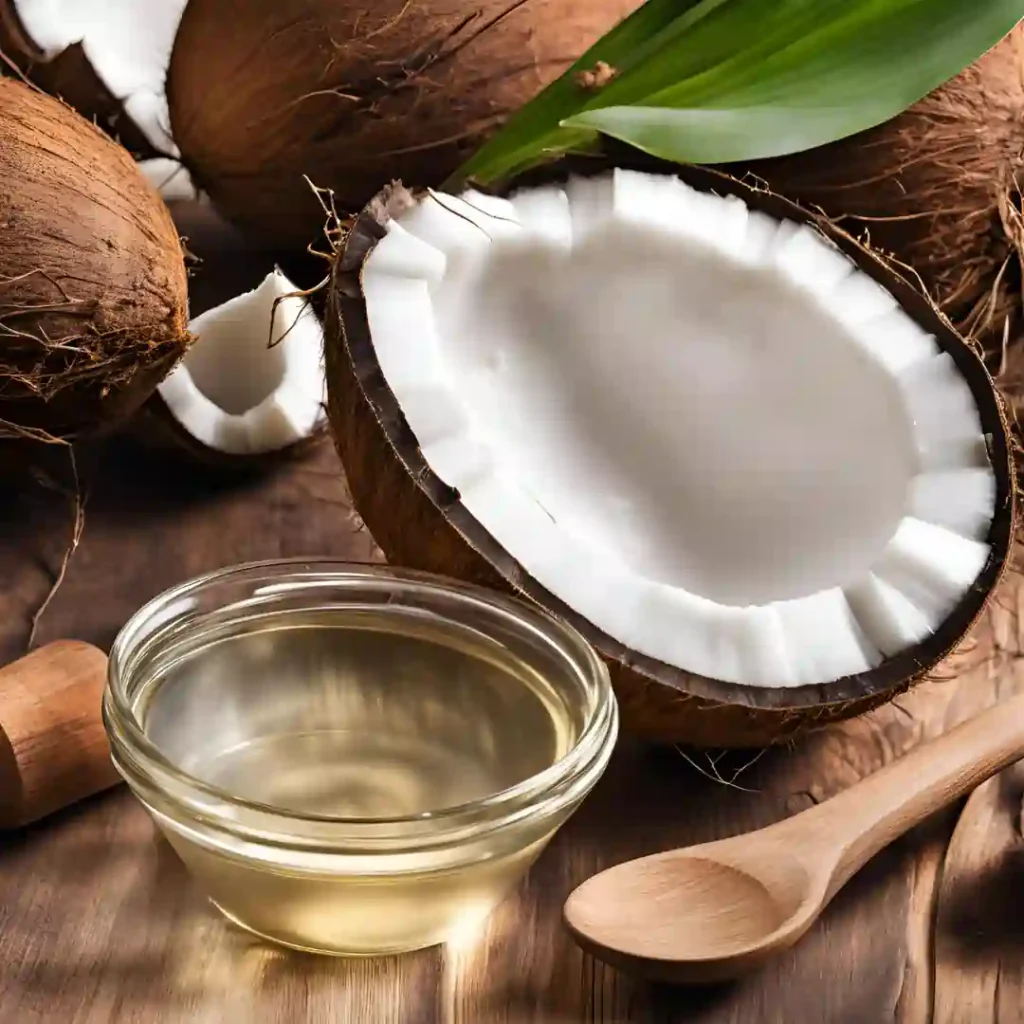
Coconut oil can help with stubborn residues on edges and corners, but it is not a complete cleaning solution. It may leave an oily residue and is not powerful enough to remove all food residues.
Can I Use Shaving Cream to Clean Dishes?
Shaving cream makes lather for shaving, but it is not recommended for dishes. It does not remove oil or food residues effectively, and it is not safe if it contacts food.
Can I Use Toothpaste to Wash Dishes?
Toothpaste is made for dental hygiene, not for cleaning dishes. It can clean a little, but it is not suitable for removing oil, and it may leave residues that are not safe to ingest.
FAQs: Can You Use Clothes Detergent to Wash Dishes?
1. What if I accidentally put laundry detergent in the dishwasher?
It may cause excessive foam and damage. Run the dishwasher on a rinse cycle without any dishes to clean out the detergent and prevent overflow.
2. Can I use body wash to wash dishes?
Body wash is not recommended for dishes. It contains moisturisers and fragrances that are not food-safe and can be harmful to health. Use dish soap to remove oil and food residues properly.
3. What are safe alternatives to laundry detergent?
Safe alternatives include baking soda for odour removal, white vinegar as a fabric softener, and castile soap for gentle cleaning. Soap nuts and reusable laundry balls are also effective and eco-friendly.
4. Can I use body wash as dish soap?
No. Body wash is made for skin, can leave residues that are harmful to health, and lacks the oil-removing power of dish soap. Use products designed for cleaning dishes.