Does Rubbing Alcohol Kill Mold? Uncover The Real Secrets!

“Does rubbing alcohol kill mould?” is a question that comes up often when mould appears in the home. Alcohol can help in some situations, but it is not a complete solution — and knowing its limits matters.
This guide explains what mould is, how rubbing alcohol affects it, how to use it safely, when to avoid it, and which alternatives work better.
What Is Mould?

Mould is a type of fungus that loves damp, warm places. It does not stay in one spot — it releases tiny spores into the air, which can settle and grow on almost any surface nearby.
Mould can trigger allergies and breathing problems, so removing it and stopping it coming back is important for a healthy home.
Does Rubbing Alcohol Kill Mould? The Short Answer
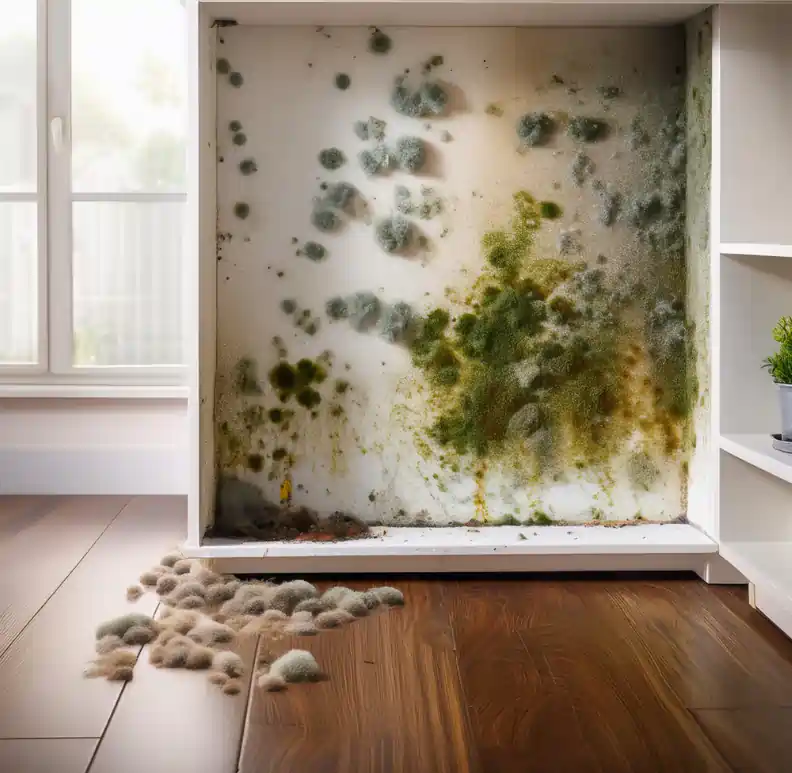
Not completely. Rubbing alcohol can reduce mould growth on a surface, but it is not an effective solution for a large infestation.
Alcohol works by denaturing proteins and dissolving the fats that mould needs to grow. When it contacts mould, it can break down its structure and sometimes kill spores on the surface, leaving the area drier.
However, rubbing alcohol is neutral in pH and lacks the strength to fully disinfect an area. For serious mould, a stronger mould remover or professional help is a better choice. Always ventilate the room well when working with mould.
Does Rubbing Alcohol Kill Mould: Best Ways to Follow
If you decide to try rubbing alcohol, do it properly:

1. Stay safe: Make sure the area is well ventilated, as rubbing alcohol can produce strong fumes. Wear gloves, eye protection, and a mask to protect your skin and lungs.
2. Prepare the surface: Clean the surface with mild soap first and remove loose dirt and debris, so the alcohol can reach the mould directly.
3. Apply the alcohol: Soak a soft cotton cloth in rubbing alcohol and apply it to the mouldy area. Leave it for 10 to 15 minutes so it can dry out the mould.
4. Scrub gently: After the alcohol has sat, scrub the area with a soft brush to remove the remaining mould.
5. Wipe and dry: Wipe the area with a clean cloth and let it dry fully to prevent mould growing back.
When Not to Use Rubbing Alcohol

Rubbing alcohol is not the right tool for every mould problem. Think twice before using it in these cases:
1. Porous surfaces: Alcohol will not reach mould roots deep inside porous materials, and it can damage the surface.
2. Large infestations: If mould has spread across a wide area, alcohol alone will not kill it. A large problem needs a thorough approach, not a spot treatment.
3. Health concerns: If you have dust allergies or breathing problems, getting close to mould to treat it with alcohol is not recommended. Get help instead.
Other Alternatives to Rubbing Alcohol for Mould Removal

1. Bleach to Fight Mould
Bleach is a powerful disinfectant and works very well on hard, non-porous surfaces. It is not effective on porous materials and has a strong smell, so ventilate well.
2. Vinegar for Mould
Vinegar is a natural alternative to alcohol. It is less harsh than alcohol or bleach, making it a safer option around pets and children.
3. Hydrogen Peroxide
Hydrogen peroxide works on both non-porous and porous surfaces and is less toxic than alcohol or bleach. A 3% solution is commonly used for mould.
4. Baking Soda
Baking soda is a good scrubbing agent. It helps neutralise mould and deodorise the area. It will not prevent mould on its own, but it can reduce its impact and make the surface safer to clean.
How to Prevent Mould Growth: 5 Best Tips to Follow

1. Control humidity: Keep indoor humidity below 60% and use a dehumidifier if needed.
2. Fix leaks: Repair leaks in windows, pipes, and roofs. Leaks create ideal breeding grounds for mould.
3. Maintain ventilation: Good airflow and sunlight help keep surfaces dry and reduce moisture.
4. Clean regularly: Clean your home often, paying attention to places where water can collect.
5. Dry wet areas quickly: Never leave water standing for more than 24 hours — that is enough time for mould to start growing.
Does Isopropyl Alcohol Kill Fungus?

Isopropyl alcohol at 70% concentration is a very good disinfectant, but it cannot fully eradicate mould. At 70 to 90%, it can remove excess oil and dirt, and in some cases it can destroy the cell walls of mould and slow its spread. Its neutral pH of around 6 limits its power against deep mould growth.
Does Rubbing Alcohol Kill Mould Spores?
Rubbing alcohol can reduce mould spores, but it cannot kill them all. It is not a reliable way to completely remove mould spots.
What Kills Mould Permanently?
To kill mould permanently, use bleach, vinegar, hydrogen peroxide, baking soda, or borax on affected areas. Bleach and 3% hydrogen peroxide work well on non-porous surfaces, while vinegar and baking soda work better on porous surfaces. For large or recurring mould, professional treatment is the safest option.
Frequently Asked Questions: Does Rubbing Alcohol Kill Mould?

1. Does hydrogen peroxide kill mould?
Yes. Hydrogen peroxide at a 3% concentration can give remarkable results on mould growth.
2. Does rubbing alcohol kill black mould?
Rubbing alcohol can kill black mould on hard, non-porous surfaces, but it is not effective in all cases and cannot penetrate porous surfaces.
3. Does rubbing alcohol kill mould on wood?
It can control mould growth on wood, but it cannot completely kill or remove mould rooted deep inside the wood.
4. Does rubbing alcohol kill mould on fabric?
It can kill mould on fabric, but it may leave stains on the cloth. It also works as a disinfectant and can help prevent further mould growth.
5. Does drinking alcohol kill mould?
No. Drinking alcohol does not kill mould. You need specific mould treatments to remove it effectively.