How Often Should Landlord Replace Carpet? See What’s Legal!

How often should a landlord replace carpet? If you’ve ever rented a place, you’ve probably asked yourself this exact question.
After years of renting, I know the frustration of walking into a home where the carpet is stained, smells strange, or just looks completely worn out.
You move in hoping for a cozy place, but the floor tells a very different story.
And landlords, I hear you too. Replacing carpet isn’t cheap.
But sometimes, holding on to that tired old rug costs more in tenant happiness than it saves in money.
Let’s keep it real and break it all down: how often should a landlord replace carpet?
What’s the Average Lifespan of a Carpet in a Rental?

There is no magic number that fits every home, but here’s a general idea of how long different carpet types last:
- Nylon carpets can last around 10–15 years with decent care.
- Polyester carpets are more affordable but usually only last about 5–7 years.
- Olefin (polypropylene) carpets handle stains well but not wear, lasting around 5 years.
- Wool carpets are premium and long-lasting, possibly up to 20 years if well cared for.
But here’s the truth: in a rental unit, carpets rarely reach their maximum lifespan.
Why? Wear and tear are just part of life, whether you have pets, kids, or high foot traffic.
How Often Should Landlord Replace Carpet? What Do Tenants Really Expect?

As a tenant myself, I’m not expecting a luxury suite. I just want to feel comfortable and clean.
Here’s what we typically hope for:
- No weird smells when we walk in.
- No suspicious stains from the past decade.
- A soft but even surface underfoot.
- Clean-looking flooring that doesn’t scream “three renters ago.”
If your carpet is:
- Torn at the edges
- Has lingering pet odors
- Stained with things that shouldn’t be named
- Or looks like it’s been there since the early 90s
It’s probably time to say goodbye. A bad carpet can really ruin the feel of a nice space.
You might have freshly painted walls and a modern kitchen, but if the flooring’s grimy? It just doesn’t work.
What Counts as Normal Wear and Tear on Carpet?

It’s important to understand what normal wear and tear is and what actually counts as damage.
Normal wear and tear is the gradual deterioration that happens with use over time.
And it’s not something tenants should be held responsible for.
Normal wear and tear on carpet includes:
- Faded color due to sunlight exposure or cleaning.
- Slight matting in high-traffic areas.
- Minor spots or stains that are inevitable over time.
But when you see:
- Burn marks (from cigarettes, candles, etc.)
- Pet stains that have soaked into the fibers.
- Large, visible rips or holes from improper handling or rough use.
These might be considered excess damage, and tenants could be responsible for repair or replacement costs, depending on the rental agreement.
How often should a landlord replace carpet: Legal Requirement

In many places, there’s no legal requirement that dictates exactly when a landlord must replace carpet.
But landlords are legally obligated to maintain a safe and habitable living environment.
If the carpet is damaged to the point of being a health or safety hazard, it may need to be replaced more urgently.
While there are no set laws on carpet replacement, most property experts recommend replacing carpets every 7 to 10 years.
Even if the carpet still looks okay. Over time, carpets lose their ability to stay clean.
They also become a breeding ground for dust mites and allergens, especially in rental units with multiple tenants.
How Often Should Landlord Replace Carpet? The 7-Year Rule
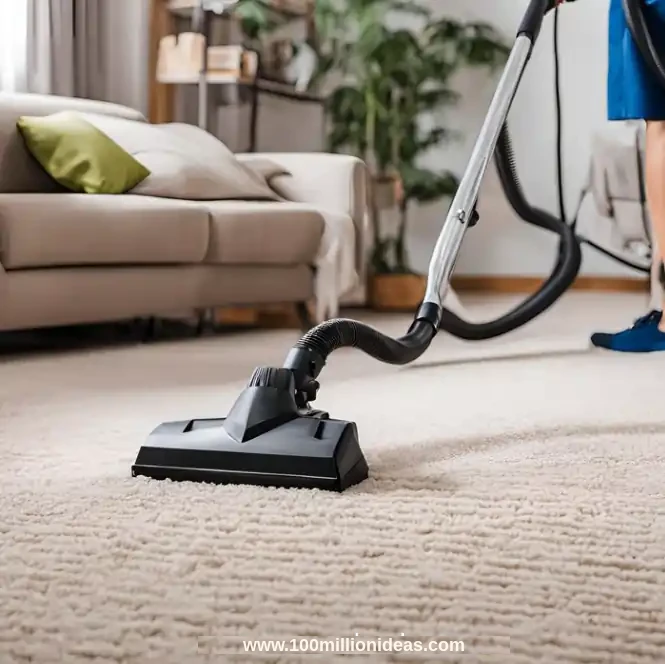
‘A good rule of thumb is to replace the carpet every 7 years’
After seven years, most carpets, no matter how well they’re maintained, will start showing significant signs of wear and tear.
This is particularly true for high-traffic areas like hallways, living rooms, and entryways.
If you’re renting out a high-end property or you’re trying to attract higher-paying tenants, you might want to replace carpets sooner.
How Often Should a Landlord Replace Carpet: Signs To Notice!
Wondering if it’s really time to replace your carpet? Here are clear signs that will tell you it’s time to invest in new flooring.

1. Stubborn Stains and Odors
Some stains are just impossible to remove, no matter how much you clean. If you have deep-set stains from spills like wine or pet accidents, or if the carpet has a perpetual musty smell that cleaning can’t fix, it’s time to consider replacing it.
2. Visible Wear and Tear
High-traffic areas will start to show signs of wear. A carpet that looks matted down, or shows visible bare spots or threadbare patches, is no longer attractive and can even be a safety concern.
3. Health Concerns (Mold, Dust, Allergies)
Carpets can trap dust, dirt, and allergens over time. If there’s mold, mildew, or persistent dust buildup, it can lead to health problems, especially for tenants with allergies. At this point, replacing the carpet is necessary to ensure the air quality in the rental remains healthy.
4. Severe Damage
Tears, holes, and loose seams can pose a safety hazard. If the carpet has significant damage or looks like it might cause someone to trip, it’s time to replace it for the well-being of your tenants.
how often do apartment complexes have to replace carpet?

Recently, I moved out of my apartment complex, and a question kept lingering: how often do apartment complexes have to replace carpet?
At first, I thought it was purely cosmetic, but the reality goes much deeper. Carpet replacement affects health, comfort, and the overall appeal of a home.
Typical Replacement Schedule
So, how often do apartment complexes have to replace carpet? Most aim for every 7 to 10 years, depending on usage, maintenance, and foot traffic.
Hallways, lounges, and shared spaces often get replaced sooner, around every 5 years, while individual units may stretch closer to a decade.
The Hidden Importance
Old carpets can trap dust, allergens, and even mold, creating a silent health hazard.
This is why understanding how often apartment complexes have to replace carpet matters, not just for aesthetics, but for tenant well-being and property value.
What Should Tenants Do to Prolong the Life of Carpet?

Tenants, don’t think you’re off the hook when it comes to carpet maintenance.
Here’s how you can help your landlord’s carpet last longer and keep your security deposit intact:
- Vacuum regularly to keep dirt and dust from grinding into the fibers.
- Clean spills quickly, don’t let them sit for hours or days.
- Avoid wearing shoes indoors, especially high heels or dirty outdoor shoes.
- Use area rugs to protect high-traffic zones like hallways or living rooms.
Request professional cleaning from the landlord at least once a year if you have pets or heavy traffic.
By showing care for the carpet, you’re helping it last longer and keeping the property in good condition.
What Can Landlords Do to Prevent Early Carpet Replacement?

As a landlord, you have the power to protect your investment by ensuring your carpets last longer and stay in better condition.
- Choose durable carpet: Go for high-quality nylon or polyester carpets that can withstand wear and tear for a longer time.
- Install carpet in the right areas: Consider hardwood, laminate, or tile in high-traffic areas or kitchens, as they hold up better than carpet.
- Regular cleaning: Professional carpet cleaning once a year can help remove deeply embedded dirt and allergens.
- Tenant guidelines: Provide clear guidelines for tenants on how to care for the carpet, such as no pets or no smoking inside.
How often should landlord replace carpet? Final Thoughts

So, how often should landlord replace carpet? While there’s no set rule, it’s generally recommended every 7 to 10 years.
However, if you notice excessive damage, wear, or health risks, don’t wait until it’s unbearable.
For landlords, investing in new carpet can improve the appeal of your rental property, reduce vacancies, and increase tenant satisfaction.
Tenants, remember that it’s important to take care of the carpet, but also speak up when it’s time for a replacement.