10 Genius Tips on How To Clean Concrete Block Machines!

Are you curious about finding excellent ways to clean concrete block machines? Congratulations — you are in the right spot!
Keeping your concrete block machines clean is not only about maintenance; it is the key to ensuring the best performance and durability. Whether you are operating a small workshop or a big-scale facility, cleaning concrete block machines must be a top priority to keep away from costly repairs.
Let me tell you, it is simpler than you think, and with a few easy steps, you can run the machines easily.
Why Cleaning Concrete Block Machines Is Crucial
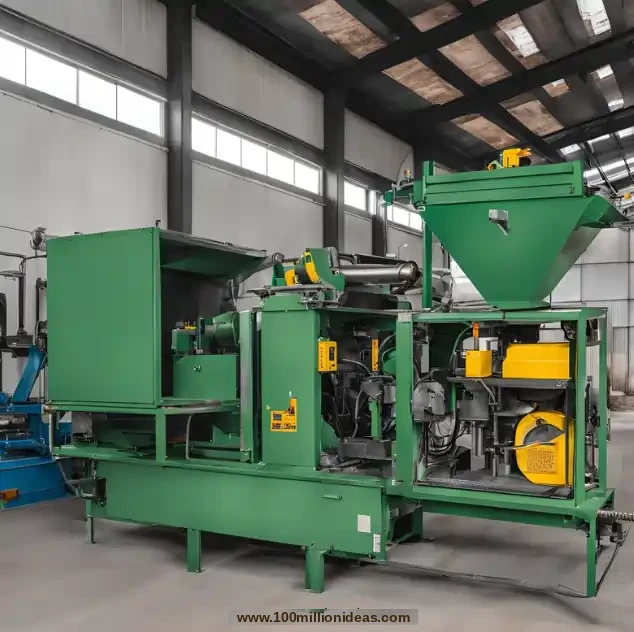
Cleaning concrete block machines is essential for longevity and overall performance. Here I explain the different reasons.
I have observed that a temporary rinse is not enough to remove dirt, particles, and leftover concrete, which can cause issues.
The key reason to clean concrete block machines is to prevent clogs, which could cause breakdowns. Second, it increases longevity by eliminating residue that causes rust and wear. Third, it improves overall performance, ensuring smoother and quicker block manufacturing.
How to Clean Concrete Block Machines: Step-by-Step Process
Cleaning concrete block machines is easy — and, decide with me, whether it is worth it or not! It is an investment that pays off over time! Here is a detailed step-by-step manual that will help you out:

Step 1: Turn Off The Machine
Always begin by turning off the power supply to keep away from any accidents. Make sure the whole thing is closed down, and disconnect any electric connections. This will not only save you from surprising movements while cleaning but also ensure your safety.
Step 2: Remove Leftover Concrete
Use a scraper or a hammer to knock off any leftover concrete from the system’s base. Pay attention to tough-to-reach areas where residue can increase. This prevents residue from hardening and blocking elements later, saving you time and complications down the road.
Step 3: Clean the Molds
Molds need individual attention, as they can collect hardened concrete. Spray water or use a mild cleansing solution, then wipe them down with a cloth or sponge. You can also use a gentle wire brush to take away stubborn concrete. This keeps the molds in good condition and ensures high-quality block production.
Step 4: Wash the Conveyor Belt
Clean the conveyor belt with water and a soft brush. Scrub away any concrete buildup or dirt that can cause friction and wear. Be attentive to cleaning both the higher and lower sections of the belt to ensure easy movement and prevent concrete buildup.
Step 5: Clean the Hoppers and Vibrators
Concrete can easily accumulate inside the hoppers and vibrators. Scrape and wash these parts thoroughly with water and a broom to dispose of any residue.
Step 6: Check for Damage
After cleaning, take some moments to check out the machine for any signs of harm, like cracks, worn components, or rust spots. If you see any troubles, address them straight away by repairing or replacing elements.
Step 7: Dry and Lubricate
After cleaning, dry all components to avoid moisture buildup that may cause rust. Apply lubricant to the moving components like gears, bearings, and wheels. This keeps the system running smoothly and reduces friction.
Step 8: Clean the Hydraulic System
If your machine uses a hydraulic system, clean it by flushing it with clean hydraulic oil or water. Regular upkeep helps keep away leaks or blockages. Ensure the device is free of any dirt or concrete buildup that may interfere with the fluid flow or pressure.
Step 9: Inspect the Electrical Connections
Dust and debris can build up around the electric components. Check all wiring and connections for any buildup of dirt or moisture. Use a dry cloth or compressed air to clean the electrical components cautiously so that no moisture is trapped.
Step 10: Empty Water Tanks
If your machine has water tanks or reservoirs used in the cleaning process, empty them after every cleansing session. Standing water can grow bacteria, produce bad smells, and lead to mildew formation.
Step 11: Check Alignment and Calibration
After cleaning, it is necessary to ensure that all components of the device are aligned and calibrated efficiently and properly. Misalignment can cause uneven block production or affect the machine’s operation. Perform a quick check before you start manufacturing again.
Common Mistakes When Cleaning Concrete Block Machines

When cleaning concrete block machines, there are some common errors that could result in bigger troubles down the road. Trust me, I have also noticed some of those, but as soon as you address them, you can keep away from them easily!
- Not Turning Off The Power: I have seen it happen when someone forgets to switch off the machine before cleaning, which results in unintentional movements and injuries.
- Using Harsh Chemicals: Using harsh chemicals may appear like a fast solution, however, they can harm parts and leave dangerous residues.
- Neglecting Some Areas: Neglecting difficult-to-reach regions can cause troubles, as concrete builds up in those spots and causes blockages.
- Not Checking Wear And Tear: I observed that someone had made this mistake, as they did not notice wear and tear after cleaning, which resulted in damage to the machine.
- Skipping Lubrication: A little grease helps the machine run easily, but after cleaning, skipping lubrication will result in elevated friction and premature wear.
How To Clean Concrete Block Machines: 5 Easy Ways To Work!
Here are the 5 ways that work extraordinarily to clean concrete block machines:

1. Scrub the Chassis to Clean Concrete Block Machines
The chassis can get covered with dirt, grime, and concrete splashes. Use mild detergent and water to scrub it down. Regular cleaning helps maintain the machine’s structural integrity, and it also keeps your equipment looking brand new.
2. Clear the Dust Collector
If your machine has a dust collector, clean it regularly to remove concrete dust that can accumulate. A clogged dust collector can lead to inefficient operation and lower air quality, so make sure it is always clean and functional.
3. Check and Tighten Bolts
Always inspect the bolts and fasteners on the machine after cleaning. Over time, some parts can loosen from regular vibrations. Tightening loose bolts helps avoid malfunctions and ensures everything stays securely in place during operation.
4. Check the Paver Block Cutter
If your machine has a paver block cutter, clean it regularly to remove concrete residue. A clean cutter helps with the precise cutting of blocks, leading to uniform sizes and improved block quality.
5. Replace Filters Regularly to Clean Concrete Block Machines
Regularly replace filters, especially in the air or oil systems, as and when needed. Keeping them fresh and clean helps the machine run more efficiently and prevents any dirt from entering critical components.
How To Clean Concrete Block Machines: FAQS
1. How often should I clean my concrete block machine?
You should clean your concrete block machine after every use. This helps remove concrete build-up and prevents blockages. Regular cleansing extends its lifespan.
2. Can I use regular soap to clean my concrete block machine?
Yes, you could use mild cleaning soap blended with water to clean your concrete machine. Avoid harsh chemicals and choose a soft cloth or brush for scrubbing.
3. Do I need to disassemble the machine to clean it?
You don’t need to disassemble the machine, but you need to remove and clean elements like molds and hoppers. This helps it work well and prevents blockages.
4. How do I prevent rust on my concrete block machine?
To prevent rust, ensure the machine is kept dry and clean. Lubricate moving parts regularly and cover the machine when it is not in use to protect it from moisture.