Is Baking Soda Safe For Cleaning Acrylic and Fiberglass Showers?
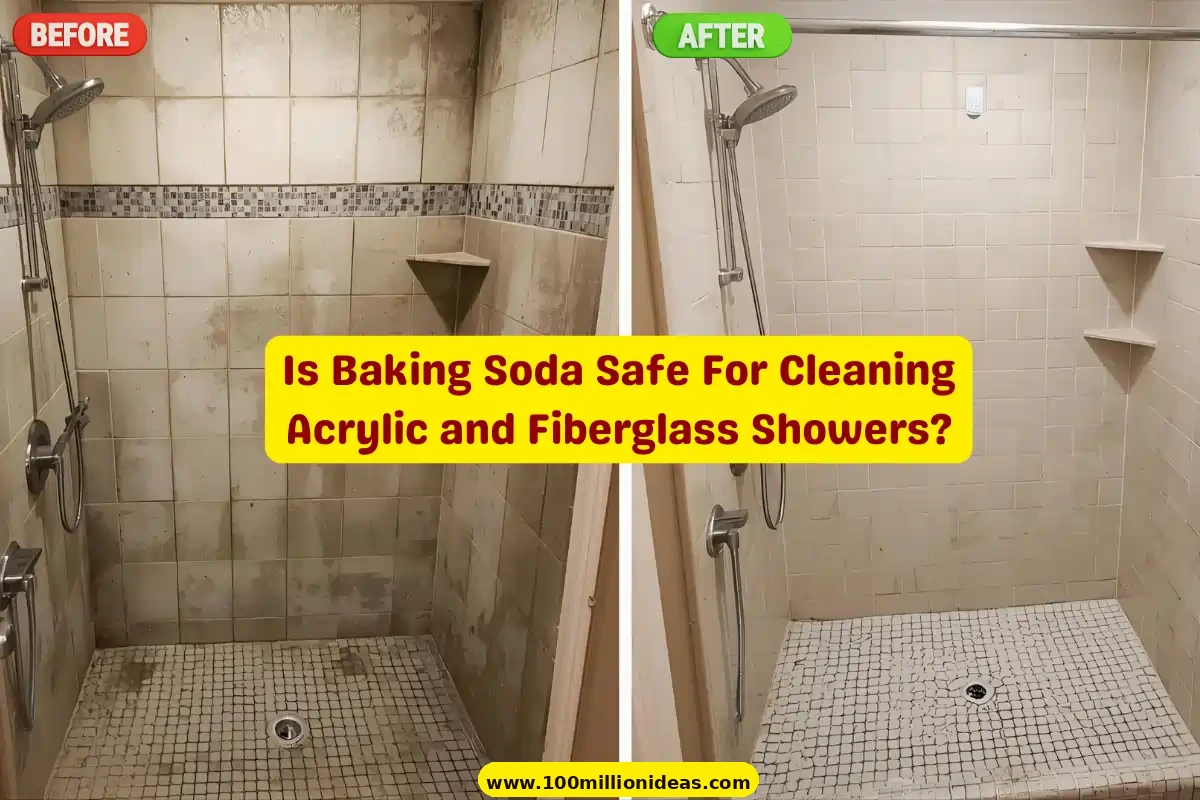
Is baking soda safe for cleaning acrylic and fiberglass showers? That was the first thing I wondered when I moved into my new apartment and came face to face with stubborn soap scum on the shower walls.
I had trusted baking soda in the kitchen for years, but that glossy acrylic surface made me nervous. Would a powder scratch it? As it turns out, baking soda is safe — but only when you use it the right way.
A 2025 Good Housekeeping survey found that 64% of homeowners prefer natural cleaners like baking soda because they work well and contain no harsh chemicals.
Keep reading, and I will show you exactly how to use it safely.
Why People Ask: Is Baking Soda Safe for Cleaning Acrylic and Fiberglass Showers?
Acrylic and fiberglass showers look lovely, but their surfaces are soft. I found that out the hard way when a rough sponge left faint scratches on my shower wall.
Plenty of homeowners share the same worry. Baking soda itself is gentle — what matters is how you apply it.
Used with care, it lifts grime and stains without harming the surface. Once you learn the technique, cleaning honestly becomes almost enjoyable.
The Science Behind Baking Soda Cleaning
Baking soda is a mild alkaline powder, which means it reacts with grime and soap scum and breaks it down without harsh chemicals.
According to the American Cleaning Institute, it is safe for most bathroom surfaces when applied gently. Unlike bleach, it gives off no toxic fumes.
The secret is pairing it with soft sponges and light pressure. That combination prevents micro-scratches and keeps acrylic and fiberglass looking like new.
How to Safely Use Baking Soda in Acrylic Showers
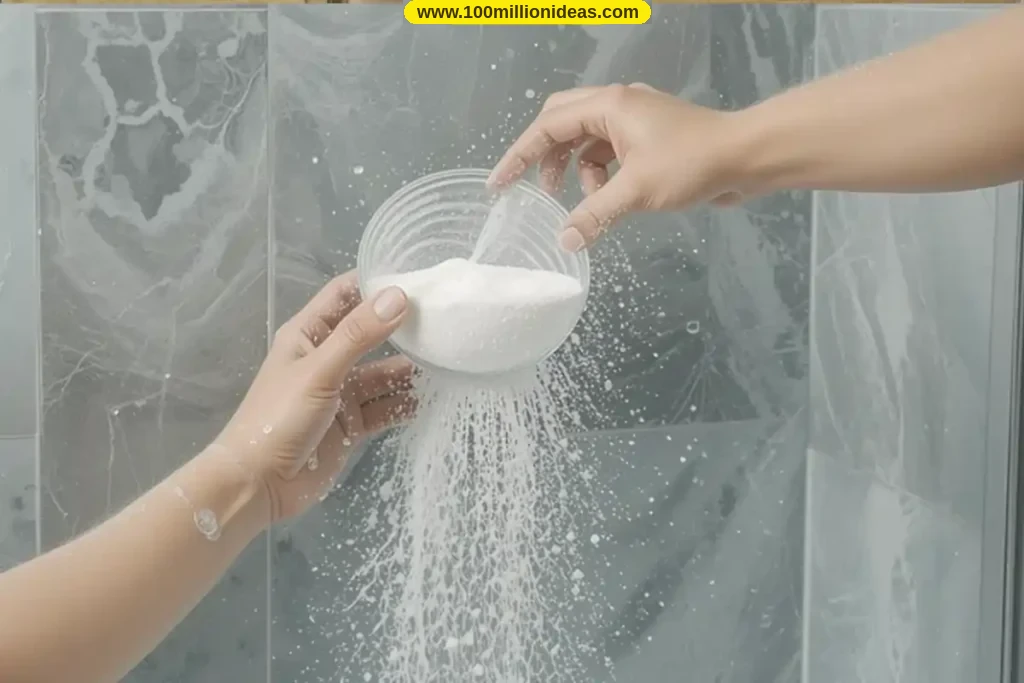
I sprinkle a little baking soda onto a damp microfiber cloth, then rub it over the soap scum in small circles.
Even a few gentle swipes lift the grime surprisingly well. Rinse with warm water and dry with a soft towel.
The first week I tried this, I could not believe how clean the shower looked. Soft cloth plus baking soda means no scratches and a sparkling shower.
How to Safely Use Baking Soda in Fiberglass Showers
Fiberglass often develops those stubborn yellow stains. For those, I mix baking soda with warm water into a paste and spread it over the problem area.
Let it sit for 10 minutes. Then wipe gently with a soft sponge and rinse. Fiberglass has a gel-coat finish, so scrubbing hard will ruin the shine.
A gentle touch keeps it clean and glossy. After trying this method, I finally understood why so many people swear by baking soda.
How Often Should You Clean Acrylic and Fiberglass Showers?
A weekly clean works best. A quick daily wipe-down with a microfiber cloth stops buildup before it starts.
Baking soda is perfect for a deeper clean every 2–3 weeks. Statista (2024) reports that 42% of homeowners clean their bathrooms weekly, and they save hours in the long run.
I wipe the walls after every shower, and it is a total time-saver. Your shower will stay fresh with very little effort.
Safer Alternatives to Baking Soda
If you are nervous about abrasives, mild dish soap and warm water are great for everyday cleaning.
A vinegar-water solution works on mineral stains, but do not combine it directly with baking soda.
Hydrogen peroxide tackles mildew safely. For stubborn grime, choose cleaners labelled “safe for acrylic or fiberglass.”
I like to rotate between baking soda and these alternatives. It keeps my shower sparkling without risking scratches.
Preventing Stains Before They Build Up
Prevention changes everything. After each shower, I rinse the walls with warm water and run a squeegee over them to remove droplets.
Soap scum forms when water evaporates and leaves residue behind. Consumer Reports found that daily rinsing cut deep-cleaning time by 50%.
This simple step prevents buildup and keeps cleaning quick. Once it becomes a habit, your shower will stay shiny with almost no effort.
How to Make a Baking Soda Cleaning Routine
My routine is simple: a daily wipe with a microfiber cloth, a weekly baking soda scrub, and a monthly focus on grout and stubborn stains.
It keeps my acrylic shower sparkling all year round. Once the routine is set, cleaning feels effortless.
You will notice less buildup, fewer scratches, and more shine. It is surprising how small, consistent steps save hours and stress later on.
Baking Soda vs. Commercial Cleaners
Commercial cleaners work faster on tough stains, but they often contain harsh chemicals like bleach or ammonia.
Over time, those chemicals can damage acrylic or fiberglass. Baking soda is slower, but it is much safer and eco-friendly.
Use baking soda for routine cleaning in alternate weeks, and save a safe commercial cleaner for the occasional stubborn spot.
This balance keeps the shower clean without chemical exposure or scratches.
Can Baking Soda Scratch Acrylic or Fiberglass?
Technically, yes — but only if you press too hard or use rough tools. Acrylic and fiberglass are softer than tile, so micro-scratches can appear.
A soft sponge or microfiber cloth prevents damage. I made this mistake once and learned that the problem is not the powder, but the way you use it.
The right technique keeps surfaces scratch-free while still cleaning effectively.
Baking Soda for Odor Control in Showers
Baking soda neutralizes odors, too. Drains and damp showers often smell musty.
Sprinkle baking soda into the drain, leave it for 15 minutes, then rinse with hot water. NSF testing shows baking soda removes up to 80% of musty odors.
I use this trick every week, and my bathroom always smells fresh. It is a small step that makes a huge difference.
Mistakes to Avoid When Using Baking Soda
One big mistake is scrubbing too hard. I tried it once and noticed tiny scratches afterwards. Lesson learned!
Another is mixing baking soda and vinegar directly on the surface. It fizzes dramatically, but it can damage the finish.
Lastly, do not leave powder residue behind. I once forgot to rinse properly, and my shower looked chalky for days. Avoid these mistakes, and you will not repeat mine.
Safety Tips While Cleaning Showers
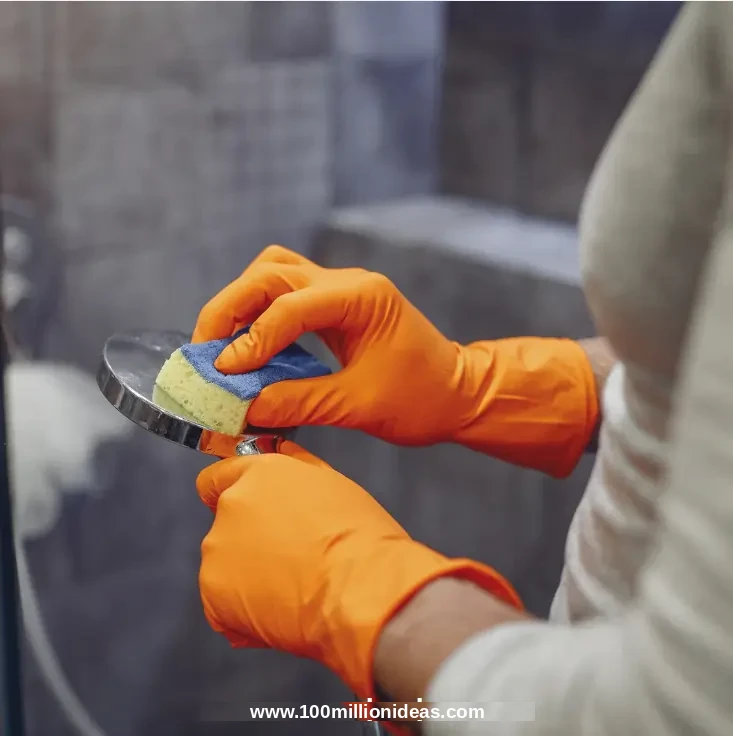
Even natural cleaners need care. Gloves protect your hands from dryness, and good ventilation prevents fumes from any cleaner from lingering.
Always use soft cloths or sponges — steel wool and abrasive pads are not good for these surfaces. Rinse thoroughly to remove all residue.
I learned this after a mishap with an abrasive pad. Following these safety tips keeps both your shower and your family safe.
Expert Insight: Is Baking Soda Safe for Cleaning Acrylic and Fiberglass Showers?
Professional cleaners agree: baking soda is safe when used gently. HomeAdvisor surveys show that 70% of cleaning pros recommend it for bathrooms.
The trick is not the powder, it is your technique. Light scrubbing and daily preventive habits keep showers sparkling.
I noticed a huge difference once I combined baking soda cleaning with wiping the shower walls after every use. Results come faster, and you avoid damage.
Eco-Friendly Benefits of Using Baking Soda
Baking soda is non-toxic and biodegradable. Unlike chemical cleaners, it will not harm septic systems or pollute water.
The EPA reports that natural cleaners reduce indoor VOC exposure, improving air quality.
Using baking soda keeps your home safe, healthy, and environmentally friendly.
I always feel better cleaning with it, knowing I am protecting my family and the planet.
Conclusion: Is Baking Soda Safe for Cleaning Acrylic and Fiberglass Showers?
So, is baking soda safe for cleaning acrylic and fiberglass showers? Absolutely — when used gently, with the right tools, and paired with preventive habits.
It is cost-effective, eco-friendly, and surprisingly effective. Regular use keeps surfaces bright, odor-free, and scratch-free.
Give it a try this week, and you will see how easy it is to maintain a sparkling shower without harsh chemicals. Are you ready to start your new cleaning routine?
FAQS: Is Baking Soda Safe for Cleaning Acrylic and Fiberglass Showers?
1. Can I use baking soda directly on my acrylic shower without scratching it?
When I first tried scrubbing my acrylic shower with baking soda, I was nervous about scratches. But honestly, it worked fine because I sprinkled just a light layer and used a soft sponge instead of a rough scrubber. The key was being gentle — too much pressure or a harsh pad can leave marks. So yes, it is safe, but only if you go easy with it.
2. Does baking soda really help with stubborn soap scum?
I had my doubts, too. At first, I thought it would just spread around and not actually clean. But when I mixed baking soda with a bit of warm water into a paste and let it sit for 10 minutes, the soap scum in my fiberglass shower lifted off far more easily than I expected. My aunt actually swears by adding a splash of vinegar after the paste — she says it fizzes the grime away. I tried her method once, and honestly, it worked like magic on the tough spots.
3. Will it leave behind any residue or dull the shine?
When I rinsed it off the first time, I did notice a little powdery film. At first, I panicked, thinking I had dulled the finish. But once I gave it a good rinse with warm water and wiped it down with a microfiber cloth, the shine came back beautifully. My aunt is more thorough than me — she always does an extra rinse and even buffs with a dry towel. I will admit, her showers always look spotless because of that extra step.