What Is The Best Homemade Shower Cleaner Recipe? Must Read!

Homemade shower cleaner recipe — I had to figure this out the hard way! With four bathrooms in my home, keeping each one spotless is no small task.
Every shower should feel like a refreshing escape, but in reality, soap scum, water stains and that faint musty smell kept ruining the experience for me. I tried the usual store-bought cleaners, but they always left behind harsh chemical smells and barely worked the way I wanted.
That is when I started experimenting with a homemade shower cleaner recipe — something safe, affordable and strong enough to make my bathrooms feel like a spa!
Why Choose a Homemade Shower Cleaner?
Before getting into the insights of natural shower cleaning solutions, here are the reasons why to choose them:

- Cost-effective: It is very easy to prepare from home ingredients and also has a long shelf life.
- Eco-friendly: These are chemical-free and will not harm the environment. They are also safer choices for pets.
- Health-conscious: You can avoid overexposure to the fumes and can easily deal with the residues that cause breathing issues.
- Customizable: Try to add any scent you like and turn it into your favourite homemade shower cleaner recipe.
Ingredients That Power the Best Homemade Shower Cleaner Recipes
Here are the basic ingredients you need to prepare a natural shower cleaning solution that works well:

- White Vinegar: Known for its acidic properties, white vinegar dissolves soap scum and hard water stains. Its antibacterial properties make it a popular choice in any DIY bathroom cleaner.
- Baking Soda: A mild abrasive agent that can deal with better scrubbing and also can neutralise bathroom sewer smell.
- Liquid Dish Soap: Dish soap cuts through grease and grime, making it effective at lifting soap residue and other shower buildups.
- Hydrogen Peroxide: This acts as a disinfectant and bleach, making it ideal for whitening grout and killing the mould.
- Essential Oils: A few drops of tea tree, lemon or lavender oil not only add a pleasant scent but also bring antibacterial benefits to your homemade cleaner.
The Ultimate Homemade Shower Cleaner Recipe
When it comes to simplicity and effectiveness, here is the best homemade shower cleaner recipe that combines the power of vinegar and dish soap.

Vinegar and Dish Soap Power Cleaner
Ingredients:
- 1 cup white vinegar
- 1 cup liquid dish soap (a brand like Dawn works well)
- 10 drops of tea tree or lemon essential oil (optional for fragrance and antibacterial properties)
Instructions:
- Warm the vinegar in the microwave for about 30 seconds (heating helps it mix better with the dish soap).
- Pour the warm vinegar into a spray bottle, and add the dish soap, and essential oil if desired.
- Gently shake to combine.
How to Use:
- Spray gently on shower walls, doors, and any other areas that need cleaning.
- Allow it to sit for 15–30 minutes, especially on tough soap scum and hard water stains.
- Scrub the surface with a sponge or scrub brush, then rinse well with warm water.
This recipe is perfect for regular shower cleaning and is safe for most surfaces, including glass and tile.
Variations for Different Cleaning Needs
Want to experiment with different recipes? Here are some additional homemade shower cleaner recipes that target specific cleaning challenges.
1. Homemade Shower Cleaner Recipe with Baking Soda

This solution is effective in cleaning the grout lines and also dealing with the mould in the corners.
Ingredients:
- 1 cup baking soda
- 1/4 cup hydrogen peroxide
- 1 tsp liquid dish soap
Instructions:
- Mix the baking soda, hydrogen peroxide, and dish soap in a bowl until it forms a thick paste.
- Apply the paste to grout lines or any stubborn spots with a toothbrush or sponge.
- Let it sit for about 10 minutes to allow the paste to lift grime and stains.
- Scrub and rinse with warm water.
This powerful natural shower cleaning solution fizzes slightly as it works, helping to lift dirt from porous surfaces.
2. Lemon and Salt Scrub for Metal Fixtures

Lemon and salt scrub acts as the best homemade shower cleaner to deal with the faucets and the fixtures.
Ingredients:
- 1/2 cup salt (Kosher or table salt works fine)
- 1/4 cup lemon juice
Instructions:
- Mix salt and lemon juice in a small bowl to create a gritty paste.
- Apply the mixture to fixtures with a sponge or cloth, scrubbing gently.
- Rinse and wipe dry.
The citric acid in the lemon juice dissolves mineral buildup, while the salt provides a gentle abrasive. This scrub leaves your fixtures shiny and smelling fresh!
11 Best Homemade Shower Cleaner Recipe Types (Grandma Secrets)

I did not learn these from the internet. I learned them while standing barefoot in my grandmother’s old tiled bathroom, watching her scrub with jars of powders and bottles that looked nothing like modern cleaners.
She always said, “If you can eat it, you can clean with it.” At the time, I laughed. But years later, with four bathrooms to manage, her words make more sense than ever.
Here is my personal collection of homemade shower cleaner types, each one with its own little backstory, method and magic.
1. Vinegar and Dish Soap Power Spray
This was her daily weapon against soap scum. She would simply pour vinegar and dish soap in equal parts into a reused bottle. Once filled, give it a quick shake, and hand it over to me like it was magic in a spray.
How to prepare: Mix one cup of vinegar with one cup of dish soap in a spray bottle. Shake gently.
How to use: Spray on tiles and glass, let it sit for a few minutes, then wipe away.
It always amazed me how something so simple could make the bathroom stainless and also brighter than any store-bought cleaner.
2. Baking Soda and Lemon Zest Scrub
I still remember her standing in the corner, zesting a lemon straight into a bowl of baking soda. “This will wake the tiles up,” she would say. And it did.
How to prepare: Mix half a cup of baking soda with the zest of one lemon. Add just a splash of water until it becomes a paste.
How to use: Spread it over grout or dull tiles, scrub lightly, rinse well.
The smell was fresh, sharp, and somehow made cleaning feel less like a chore and more like a small ritual.
3. Salt and Vinegar Homemade Shower Cleaner

Hard water stains were her pet peeve. She always kept coarse salt handy, not just for cooking but for polishing.
How to prepare: Sprinkle salt over stained faucets or showerheads. Spray vinegar right on top.
How to use: Leave it to fizz for ten minutes, then wipe off with a cloth.
It was one of those best moments for me, realising that the roughness of salt and the sharpness of vinegar could do more than any expensive descaler.
4. Tea Tree Oil Homemade Shower Cleaner
The first time I saw her pull out a small vial of tea tree oil, I thought it was perfume. She laughed and told me it was stronger than most medicines.
How to prepare: Add ten drops of tea tree oil to one cup of water in a spray bottle.
How to use: Spray directly on mould spots, and leave it to dry. It worked quietly, and the faint herbal smell lingered in the bathroom for hours.
5. Lemon and Salt Metal Polish
She hated dull faucets. I can still see her cutting a lemon in half, dipping it into salt, and rubbing it across the taps until they sparkled.
How to prepare: Slice a lemon, dip the cut side in salt.
How to use: Rub over faucets and handles, rinse with water, wipe dry. The shine was so instant that I could not believe it did not come out of a can.
6. Cornstarch Glass Shine Mix
This one caught me off guard. I had never seen cornstarch used outside the kitchen, but she insisted it was the secret to streak-free glass.
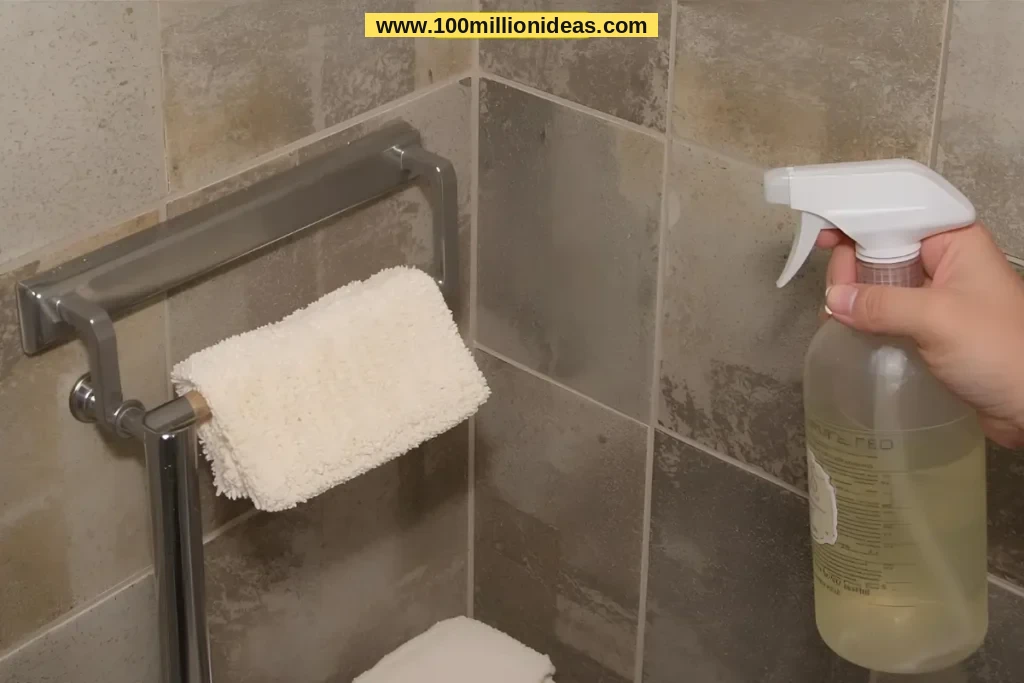
How to prepare: Mix one tablespoon of cornstarch with a cup of warm water. Pour into a spray bottle.
How to use: Spray onto the shower glass and wipe with an old newspaper or cloth.
The glass would look clearer than anything I had seen with brand cleaners, and I would find myself staring at the shine.
7. Vinegar and Lavender Oil Relaxing Cleaner
Sometimes she liked the bathroom to smell like more than just “clean.” That is when she would reach for lavender oil.
How to prepare: Mix one cup of vinegar with one cup of water. Add eight drops of lavender oil.
How to use: Spray on tiles and wipe down. Instead of smelling sterile, the bathroom would carry a calm, spa-like aroma. She always said cleaning should feel relaxing, not exhausting.
8. Borax Deep-Clean Paste
This was her once-in-a-month deep cleaning ritual. Borax was her “secret powder,” and she swore by its strength.
How to prepare: Mix borax with just enough water to make a paste.
How to use: Apply to stained spots, leave for 15 minutes, then scrub and rinse.
I was not allowed to touch it as a child, but I watched closely. Even now, I use it for the toughest jobs. Secret tip: this borax mixed with dish soap can also act as a homemade roach killer!
9. Citrus Peel Infused Vinegar Spray
She never wasted anything, not even orange or lemon peels. Instead, she would drop them into a jar of vinegar and let them sit for weeks.
How to prepare: Fill a jar with citrus peels, cover with vinegar, seal, and let sit for 1–2 weeks. Strain and pour into a spray bottle.
How to use: Spray on tiles and glass as an everyday freshener. The vinegar smell would vanish, replaced with a gentle citrus scent. To me, it felt like cleaning with bottled sunshine.
10. Ash and Lime Paste Homemade Shower Cleaner
Back in the 90s, in smaller towns, you would often find people cleaning with ash from wood stoves. My grandmother used to collect fine ash, mix it with lime juice, and use it as a scrub.
How to prepare: Take three tablespoons of fine wood ash, mix with the juice of one lime until it becomes a gritty paste.
How to use: Apply to stubborn stains or discoloured grout, scrub with a cloth or brush, rinse thoroughly.
It was raw, unpolished, and unbelievably effective. She would say, “Even the things we burn down can still clean our homes.”
11. Rice Water Homemade Shower Cleaner
This one was almost accidental. Whenever she soaked rice before cooking, she never threw away the cloudy water. Instead, she would collect it and use it in the bathroom.
How to prepare: Save the water left after rinsing or soaking rice.
How to use: Splash over tiles or corners prone to mould, leave for 15 minutes, then rinse off.
The starchy water created a natural film that somehow kept mould from forming quickly.
Tips for Maintaining a Spotless Shower

Keeping the shower clean from rust stains and also soap scum is hard! But with regular maintenance, this can cut down your deep cleaning time.
Here are the easy tips to maintain the shower:
- Use a squeegee after each shower: This simple regular activity can keep your shower away from water spots and rust stains.
- Ventilate the bathroom: Run the fan and make sure to keep your bathroom ventilated to get rid of pests and bad odours.
- Wipe down weekly: Use a microfibre cloth to remove dust and keep surfaces shiny.
- Keep a daily spray handy: Fill a spray bottle with 1 cup water, 1/2 cup vinegar, 1/2 cup rubbing alcohol, and a few drops of essential oil. Mist your shower lightly after each use to keep it smelling like a spa.
Homemade Shower Cleaner Recipe for Tile
Here is how to prepare a homemade shower cleaner recipe for tile:
1. The Club Soda Sparkle For an instant refresh
My favourite homemade shower cleaner recipe for tile is simply club soda. This recipe works because the carbonation lifts dirt and mineral film without harsh scrubbing. I spray it straight onto the tiles, leave it fizzing for five minutes, and wipe it down. The sparkling finish is proof that even the simplest trick can bring hotel-level shine without hard water stains!
2. Castile Soap + Baking Soda
When I want something safe but highly effective, I use Castile soap with baking soda as a homemade shower cleaner recipe for tile. This recipe foams up gently while scrubbing, lifting grime and mildew effortlessly. I sprinkle baking soda, add a few drops of Castile soap, scrub, and rinse. It always leaves my shower tiles squeaky clean and naturally fresh.
3. Enzyme–Starch Fusion Cleaner
One of the most unique homemade shower cleaner recipes for tile I have tried is mixing papaya peel with rice water. This recipe works on two levels: the papaya enzymes break down stubborn soap scum, while the starchy rice water binds and lifts dirt. I blend papaya peel into rice water, apply it with a sponge, leave for 10 minutes, and rinse. The result? Your walk-in shower looks inviting!
Homemade Shower Glass Cleaner Recipe
Here is how to prepare a homemade shower glass cleaner recipe:
1. The Citrus–Cornstarch Trick
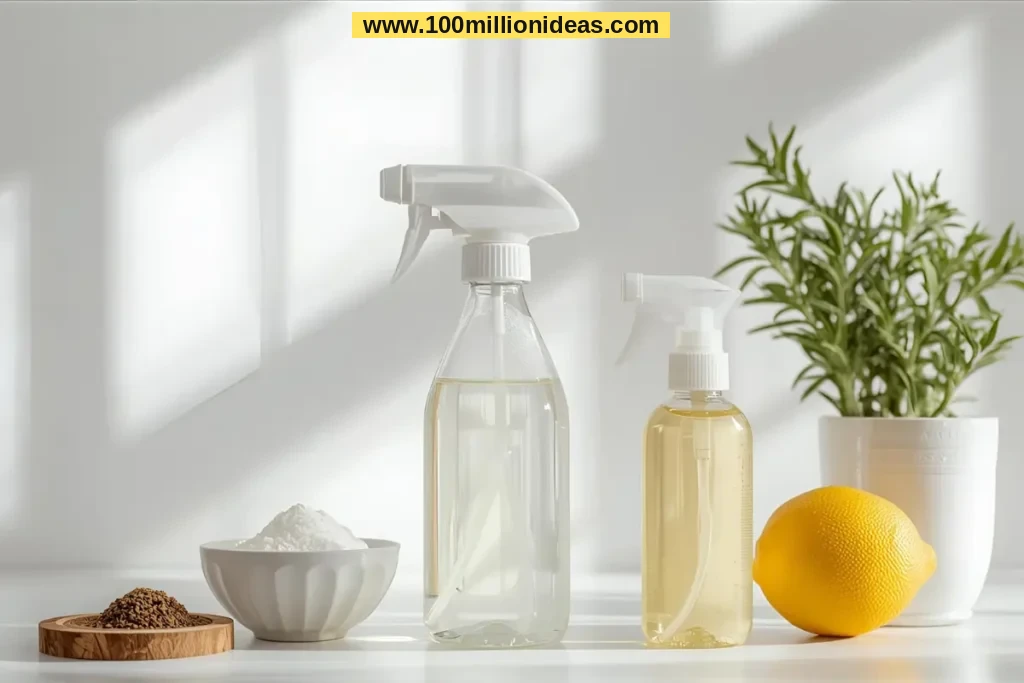
I once ran out of my usual cleaners and just tried something wild. I boiled leftover orange peels. Let the water cool, then whisk in a spoon of cornstarch. This homemade shower glass cleaner recipe surprised me! The citrus oils cut through the hazy film while cornstarch gave it a polish-like shine. I wiped it on with a microfibre cloth, and honestly, the glass looked like I had used one of those expensive commercial sprays.
2. The Tea–Clay Fusion
This one started as an experiment when I had a pot of strong black tea sitting cold. I mixed it with a pinch of multani mitti (fuller’s earth clay). It sounds odd, but trust me, this homemade shower glass cleaner recipe really worked. The tannins in the tea tackled the cloudy spots, and the clay gave just enough grit to lift off water stains without scratching. After rinsing, the glass looked crystal clear and streak-free.
How to Remove Stains from Fiberglass Shower
To remove stains from a fiberglass shower, start by sprinkling baking soda over the stained area and spraying it with white vinegar. Let it fizz for 10 minutes, then scrub gently with a non-abrasive sponge. For tougher stains, mix hydrogen peroxide with a little dish soap and apply it directly to the fiberglass surface. Rinse thoroughly with warm water. This method to remove stains from a fiberglass shower is gentle yet powerful.
Best Homemade Shower Cleaner for Mold and Mildew

I recently bought a bathtub for my home. Everything felt perfect, until I noticed one tiny detail. There is a small gap between the tub and the shower wall. At first, I did not pay much attention. But then came the real problem, mildew creeping into the corners, and a stubborn mould formed on the shower curtain.
I want to share with you the 3 best homemade shower cleaners for mould and mildew that worked like magic for me.
1. The Vinegar + Tea Tree Oil Power Shot
Why it works: Vinegar breaks down mould at the surface, while tea tree oil digs deeper, destroying the spores so they do not grow back.
How to use it: Take 1 cup of white vinegar and pour it into a spray bottle. Add 1 teaspoon of tea tree oil. Shake it well. Spray it directly on mouldy tiles, curtains, or grout lines. Leave it for at least 1 hour. Do not rinse right away, let it fight. Wipe clean with a damp cloth.
Why you will love it: Not only does it clear mould, but the refreshing, herbal scent makes your bathroom smell like a natural spa. You will never look at store cleaners the same way again.
2. The Citrus and Baking Soda Paste
Why it works: Lemon’s acidity dissolves mould and mildew stains, while baking soda scrubs gently without scratching surfaces. Together, they brighten up your bathroom instantly.
How to use it: Cut a lemon in half. Dip the cut side into a small bowl of baking soda. Rub it directly over mouldy areas, especially those black corners. Let it sit for 10 minutes. Rinse with warm water and see the shine return.
Why you will love it: This feels less like cleaning and more like polishing your bathroom with nature. Plus, the zesty lemon scent kicks out the musty odour of mildew in seconds.
3. The Hydrogen Peroxide Foam Blaster
Why it works: Hydrogen peroxide does not just sit there; it bubbles, foams, and attacks mould at the root. It disinfects too, making your shower safer.
How to use it: Take 3% hydrogen peroxide (the common drugstore kind). Pour it into a spray bottle, no dilution needed. Spray generously on mould spots, caulk lines, and tile corners. Watch the fizz, it means it is killing mould spores. Leave it for 15 minutes, then wipe clean.
Why you will love it: That fizzing action feels like instant proof it is working. You will see cleaner, brighter grout lines and a shower that looks brand new again.
Homemade Shower Cleaner with Essential Oils

Essential oils have always been my secret weapon. I love using them in diffusers, especially to mask that occasional sewer smell that sneaks into the bathroom. For years, that was my go-to fix: switch on the diffuser, let lavender or eucalyptus fill the air, and pretend the problem was solved.
But here is what I came to realise: essential oils are not just about covering up odours. They can actually clean, disinfect, and fight mould and mildew when used the right way. That discovery completely changed the way I deal with my shower.
Let me share the three homemade shower cleaner blends I started making at home. Each one does not just clean; it transforms the entire bathroom experience.
1. The Citrus Burst Spray
- Mix 1 cup white vinegar + 1 cup water.
- Add 10 drops of lemon oil + 8 drops of orange oil.
- Spray on tiles, shower curtain, and tub edges, left it for 15 minutes, then wiped.
- Result: Mould and mildew lifted easily, and the entire bathroom smelled like fresh citrus.
- Why it works: Lemon and orange oils cut grime and kill bacteria, while vinegar dissolves mildew at the root.
2. The Herbal Spa Paste
- Combine 1 cup of baking soda + 1/2 cup of water into a paste.
- Mix in 10 drops of tea tree oil + 6 drops of lavender oil.
- Spread paste on grout lines and mildew patches, leave it for 20 minutes, then scrub.
- Result: Black grout stains disappeared, mildew was gone, and a calming lavender-herbal scent filled the space.
- Why it works: Tea tree oil is antifungal, baking soda scrubs without scratching, and lavender makes the bathroom smell like a spa.
3. The Minty Fresh Foaming Cleaner
- Pour 1 cup of hydrogen peroxide (3%) into a spray bottle.
- Add 1 tbsp castile soap + 12 drops peppermint oil + 8 drops eucalyptus oil.
- Spray directly on shower tiles, corners, and curtain edges, let the fizz sit for 10 minutes, then rinse.
- Result: Stubborn sewer odours vanished, mildew stains faded, and a crisp minty scent lingered for hours.
- Why it works: Peppermint and eucalyptus neutralise strong odours while hydrogen peroxide disinfects and brightens.
FAQs on Homemade Shower Cleaner Recipes

1. Can I use apple cider vinegar instead of white vinegar?
White vinegar is acidic, so apple cider vinegar would be the best alternative to breaking down mineral deposit formation.
2. Are essential oils necessary in homemade shower cleaner?
Not at all! Essential oils add a pleasant odour and also act as an antibacterial agent to deal with the infection-causing agents.
3. How often should I use a DIY bathroom cleaner?
For regular maintenance, aim for once a week. If you use a daily spray, a thorough clean once a month may be enough.
4. Can I mix baking soda and vinegar for storage?
It is best to mix them before usage. Baking soda mixed with vinegar can help to create a fizzing action that is great for lifting grime.
5. What can I do to prevent mould in my shower?
Try to spray vinegar regularly in mould-prone areas to keep it contained from re-appearing and also make sure to maintain a moisture-free surface.