Does Rice Vinegar Go Bad If Not Refrigerated Overnight?

Rice vinegar is one of the most used ingredients in kitchens around the world, especially in Asian cooking. It enhances the flavour of sushi rice, salad dressings, stir-fries, and marinades. So when I realised how often people ask, “Does rice vinegar go bad if not refrigerated?” I felt the need to dig deeper and clear up the confusion.
If you use rice vinegar regularly, understanding its storage and shelf life is essential. Let us explore whether rice vinegar really goes bad without refrigeration, how to store it properly, and the signs to watch for so your vinegar stays fresh.
What Is Rice Vinegar, and Why Is It So Popular?

Before we answer whether rice vinegar goes bad if not refrigerated, let us first understand what rice vinegar is. It is made from fermented rice, and it adds a mild tang and delicate sweetness to many dishes, from pickles to marinades.
The moment you add it to a recipe, you will notice how it lifts the flavour. That versatility is what makes rice vinegar a staple in homes worldwide.
Key uses of rice vinegar:
- Adds flavour to sushi rice
- Enhances salad dressings
- Works well in marinades for meats and vegetables
- Used in pickling recipes
When I first used rice vinegar, I was amazed at how quickly it transformed ordinary dishes. And the best part? It does not need a lot of care to stay fresh for a long time.
How Long Is Rice Vinegar Good For?
Here is the thing: rice vinegar does not really “go bad” the way milk or juice does. Thanks to its natural acidity (around 4–7%), it is self-preserving. If it is unopened, you can keep it for years — literally.
Once opened, it still lasts 3 to 5 years easily, as long as it is sealed well and kept in a cool, dark place. Unless you notice a funky smell or cloudy bits, it is totally good to use. This is backed by The Vinegar Institute. So do not throw it out too early — vinegar does not expire, it just mellows with time.
Does Rice Vinegar Go Bad If Not Refrigerated? The Simple Answer
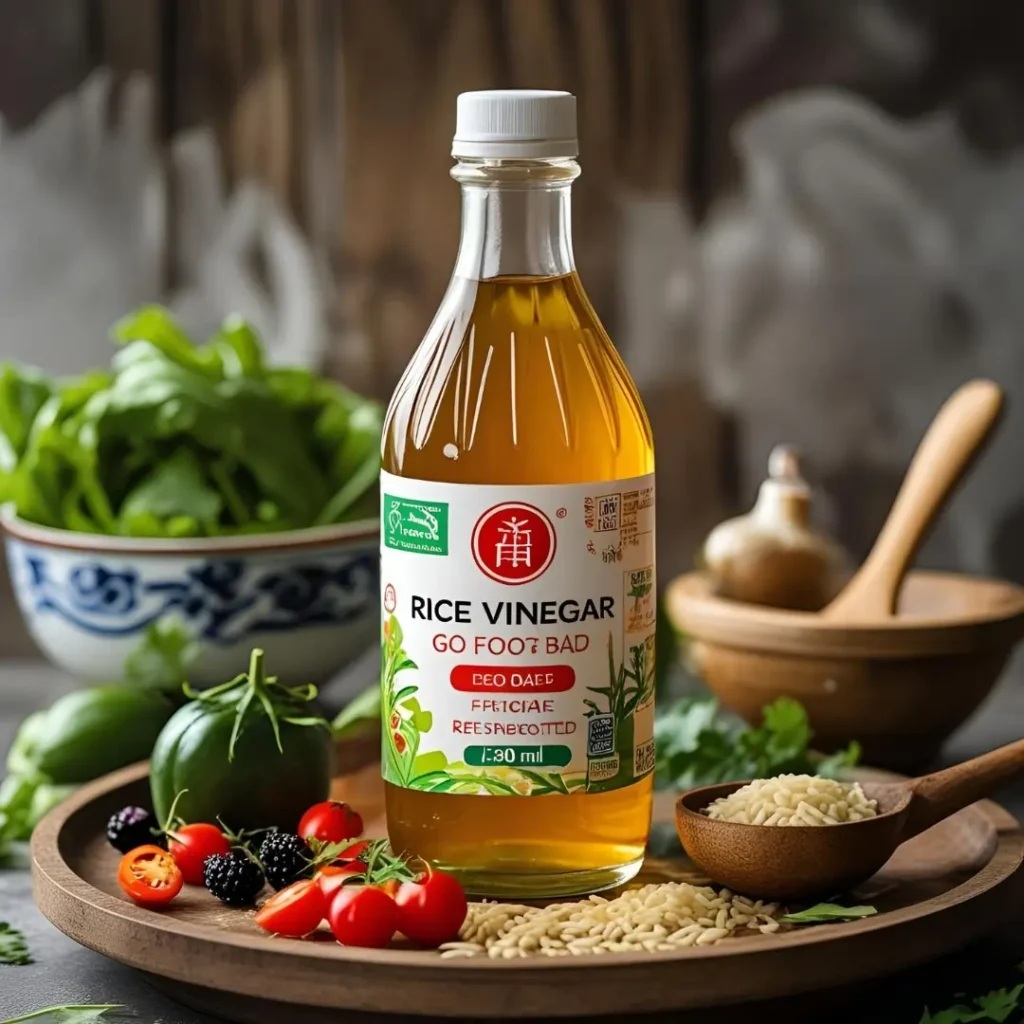
The simple answer is: no, rice vinegar does not go bad quickly if not refrigerated. The reason lies in its acidity. Like other vinegars, rice vinegar contains acetic acid, which acts as a preservative and makes it highly resistant to spoilage. Unlike many other condiments, rice vinegar does not need refrigeration to stay safe and fresh for a long time.
Why rice vinegar doesn’t need refrigeration:
- High acidity naturally preserves the vinegar.
- It prevents bacterial growth thanks to its acidic environment.
- No refrigeration is needed to maintain safety or flavour.
Most people store rice vinegar in the fridge out of habit, but that habit comes from how we treat other foods. Rice vinegar is different because it is naturally preserved by its acidity. As long as you store it properly, it can stay good for months — even years — without refrigeration.
Why Rice Vinegar Doesn’t Need to Be Refrigerated

Rice vinegar’s high acidity is what makes it self-preserving. Leave a bottle on your kitchen shelf and it will remain stable for months, if not years. The acid prevents harmful bacteria and mould from growing, which is why it does not need refrigeration like other perishable foods.
Factors that make rice vinegar stable:
- Acidity: The high acid content prevents bacterial growth.
- Long shelf life: Rice vinegar can last for years when stored correctly.
- No refrigeration needed: Unlike many foods, it does not require refrigeration for long-term preservation.
But does rice vinegar go bad if not refrigerated? Absolutely not — unless it is stored improperly or exposed to extreme conditions like heat or sunlight. That is why storing it in a cool, dark place, like a pantry or cupboard, is the best option for maintaining its quality.
How to Store Rice Vinegar for Maximum Freshness

Proper storage is crucial for keeping your rice vinegar at its best. Here is how to make sure it stays fresh for as long as possible:
- Seal the bottle tightly: Once opened, make sure the cap is tightly sealed. Exposure to air can make it lose its sharp, tangy taste over time.
- Store in a cool, dry place: Always keep rice vinegar in a cool, dry place, away from direct sunlight or heat. A pantry or kitchen cabinet works great.
- Avoid storing near heat: Never store rice vinegar near your stove, oven, or other heat-producing appliances. Excess heat can affect its flavour and quality.
- Keep it in the original bottle: If possible, store it in its original bottle, as these are usually designed to protect the vinegar from light and air. If you do transfer it, use an airtight, dark container.
How Long Does Rice Vinegar Last?
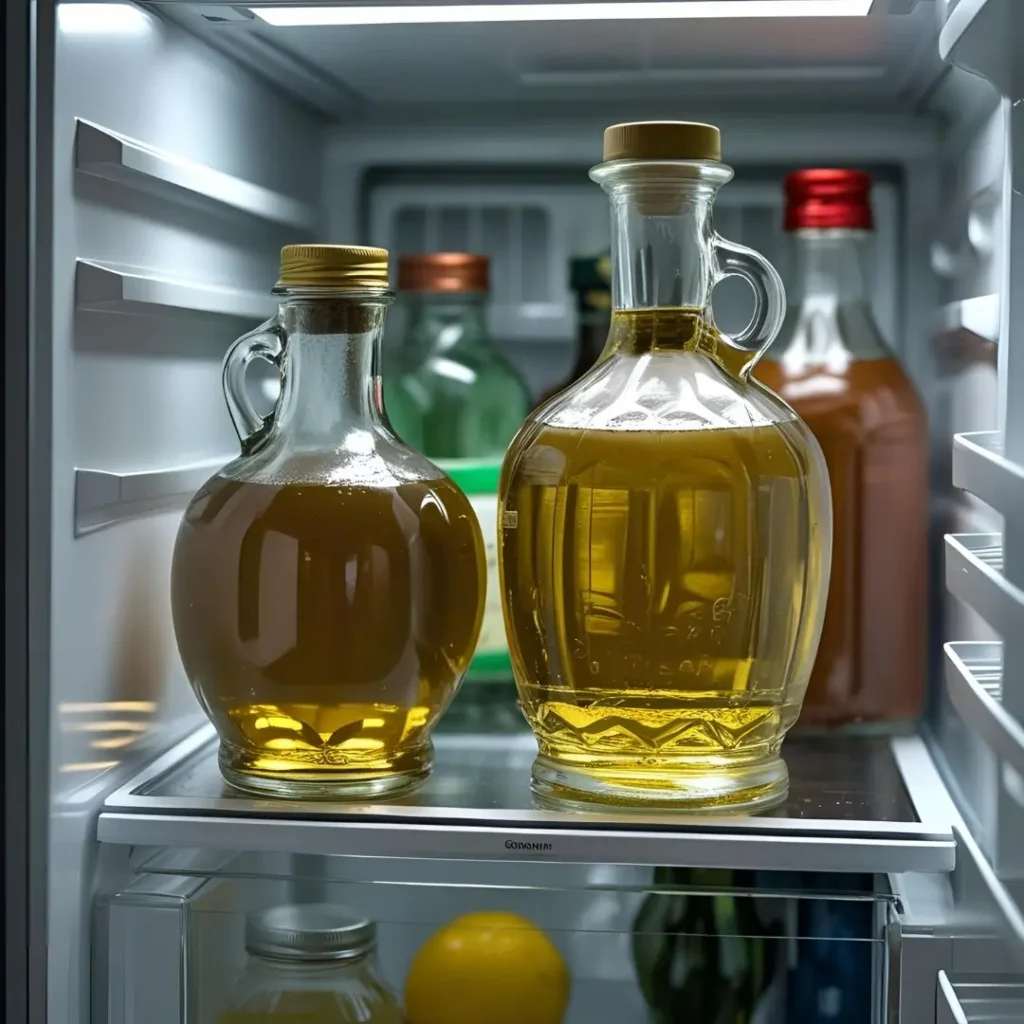
You might be asking whether rice vinegar goes bad if not refrigerated for years. Not necessarily. Even without refrigeration, rice vinegar can last up to 2–3 years when stored correctly. It does not spoil in the traditional sense, but its flavour and acidity may fade with age.
Shelf life of rice vinegar:
- Room temperature: Can last 2–3 years when stored in a cool, dry place.
- Refrigeration: While not necessary, refrigeration can help preserve its flavour for even longer.
If you are concerned about freshness, a quick taste test will tell you everything. If the flavour still has the punch it had when you first opened it, your rice vinegar is still good to go. If it has lost its tang or developed off-flavours, it may be time to replace it.
Signs That Rice Vinegar Has Gone Bad

While rice vinegar has a long shelf life, it is important to recognise the signs that it may have started to lose quality. Here is what to watch for:
- Changes in flavour: If your rice vinegar tastes flat, overly sour, or just does not have the same punch as when it was fresh, it may no longer be at its best.
- Sediment or cloudiness: Rice vinegar can sometimes develop sediment or look cloudy over time. While this does not necessarily mean it has gone bad, it is a sign that it is no longer at its peak.
- Off smell: Vinegar should have a sharp, acidic smell. If it starts to smell off or rancid, it is best to discard it.
- Changes in colour: Some rice vinegars may darken slightly over time, but drastic changes in colour could mean the quality is deteriorating.
Can You Refrigerate Vinegar to Prolong Its Shelf Life?

Does rice vinegar go bad if not refrigerated? As we have seen, it does not. However, refrigeration can help preserve the flavour if you do not use it regularly. Keeping rice vinegar in the fridge can extend its freshness for even longer — though this is more about preserving flavour than preventing spoilage.
I started refrigerating my rice vinegar after realising that cold slows down flavour loss, but it is not absolutely necessary for most households.
Can You Freeze Rice Vinegar?
Freezing rice vinegar is not recommended. While freezing will not cause it to spoil, it can alter the texture and flavour. Freezing can change the acidity and overall profile of the vinegar, making it less effective in cooking. It is better to keep your rice vinegar at room temperature or in the fridge — but not in the freezer.
Benefits of Rice Vinegar in Your Kitchen
Rice vinegar is not just a pantry essential; it is also packed with benefits. Here is why it is so widely used:
- Health benefits: The acetic acid in rice vinegar can help regulate blood sugar levels, promote digestion, and support weight loss.
- Versatility: It is great for pickling, making sauces, and adding flavour to both hot and cold dishes. It is also commonly used in sushi rice and dressings.
- Preservative qualities: Thanks to its acidity, rice vinegar can preserve foods for longer, making it ideal for recipes like pickles and marinades.
Conclusion

So, does rice vinegar go bad if not refrigerated? The answer is clear: no, rice vinegar does not go bad if not refrigerated. Its natural acidity makes it self-preserving, and with proper storage it can last for years without refrigeration. Refrigeration can help prolong its flavour, but it is not a must.
Now that you understand the true nature of rice vinegar’s shelf life, you can confidently store it in your pantry, knowing it will remain a versatile, flavourful ingredient for all your cooking needs.