How To Wash A Spoon Without Splashing |10 Secrets Revealed!

How do you wash a spoon without splashing? If that question has ever crossed your mind, you are definitely not the only one.
It sounds like the simplest job in the kitchen, yet it somehow ends with water all over the place.
I used to assume I was doing it wrong, until I found out that pretty much everyone has the same struggle.
After plenty of trial and error, I finally worked out how to wash spoons without getting splashed, soaked, or stressed.
Here is what actually works for me, learned from real life at the sink rather than from theory.
Why Is It So Hard to Wash a Spoon Without Splashing?
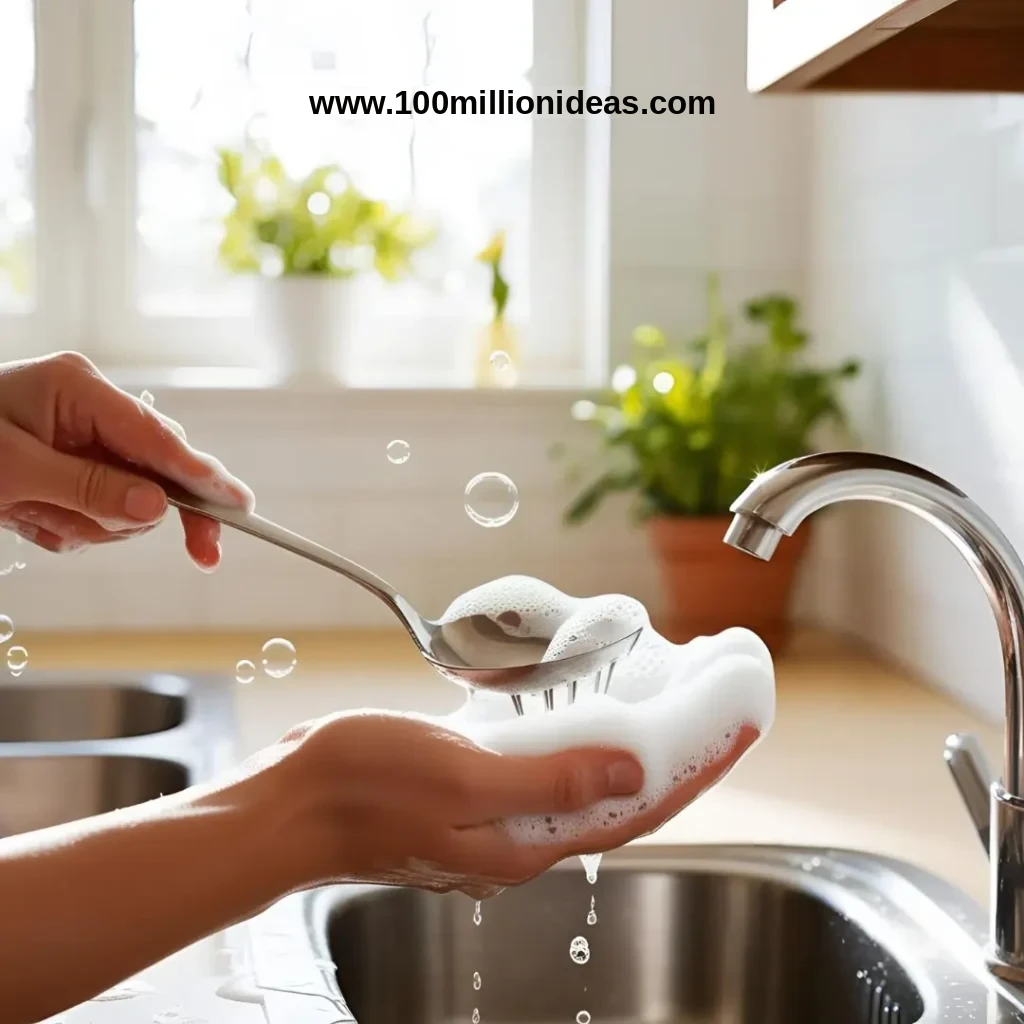
You would expect washing a spoon to be the easiest part of doing the dishes, but instead it turns into a splash attack almost every single time.
The spoon’s curved surface works like a tiny water slide. The moment water hits it, the stream bounces straight back at you.
I have soaked my shirt more times than I can count. Once I understood that it was all about the angle and the water pressure, things got much better.
Keep reading, and I will share the small tricks that changed everything for me.
What Makes Spoons Splash So Much in the Sink?
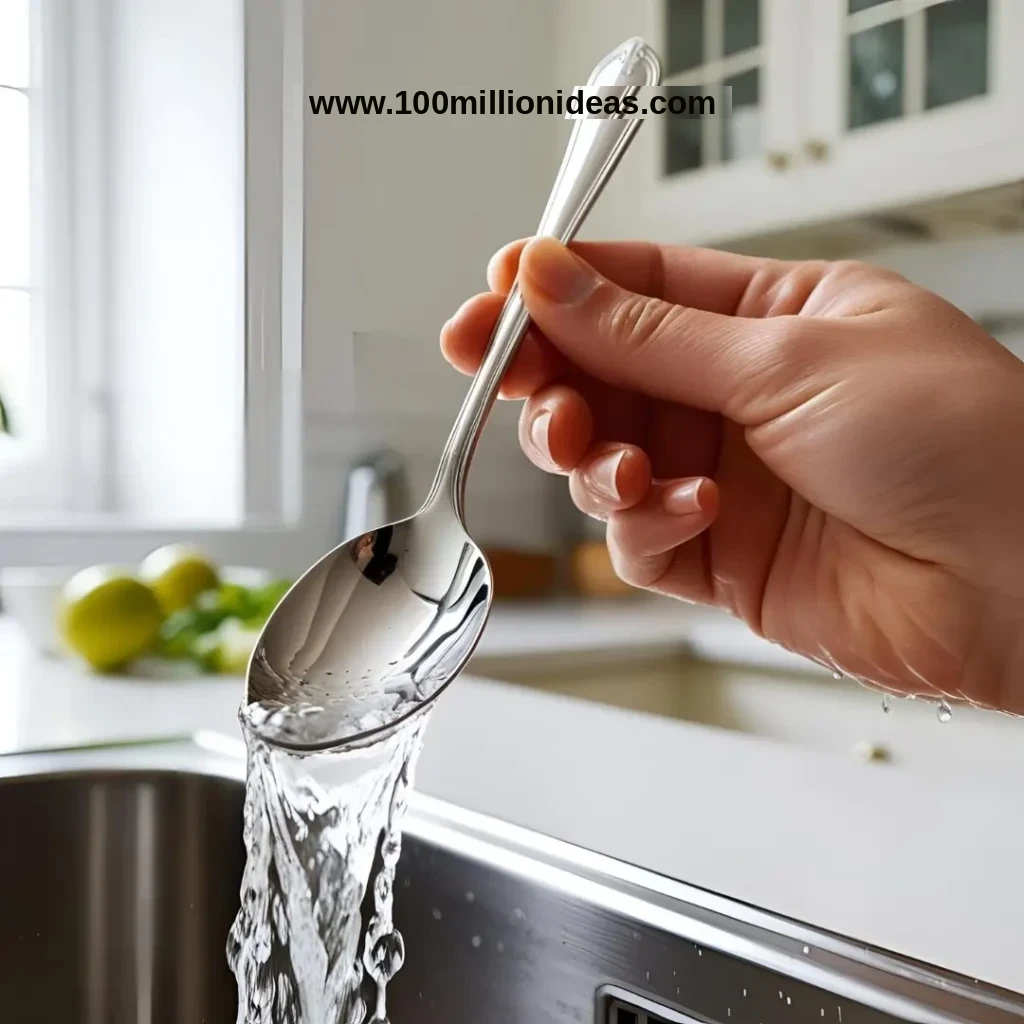
Spoons are sneaky little things. The reason they splash so much comes down to their shape. That curved bowl does not absorb water, it reflects it.
So when you hit it with water head-on, the stream bounces off and sprays your face, your shirt, the counter, basically everywhere.
Add a strong flow of water and you have a mini fountain running wild.
I learned the hard way that angle and water speed matter a lot. Once I adjusted both of them, the splash mess finally stopped.
Can a sink splash guard reduce spoon splashing while you wash?

Yes, and they help far more than you would expect. I was doubtful at first too, but after trying one of those silicone splash guards, I was pleasantly surprised.
They sit around the faucet or at the back of the sink and help control where the water goes.
If you are tired of wiping down your shirt and counters after washing just one spoon, get one.
They are affordable, easy to clean, and they make dishwashing feel a lot less chaotic. It is one of those simple upgrades that genuinely makes a difference.
How to Hold a Spoon to Wash It Without Splashing
Here is what works for me:
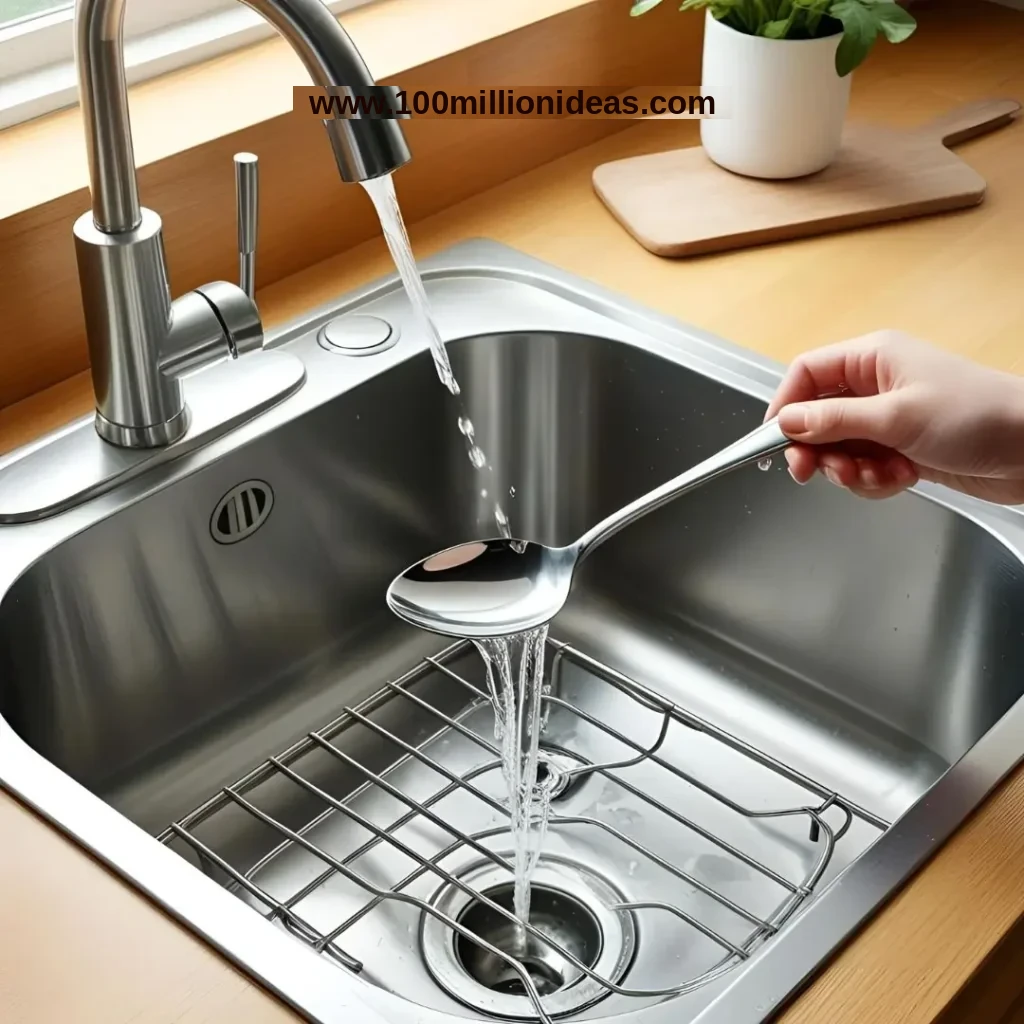
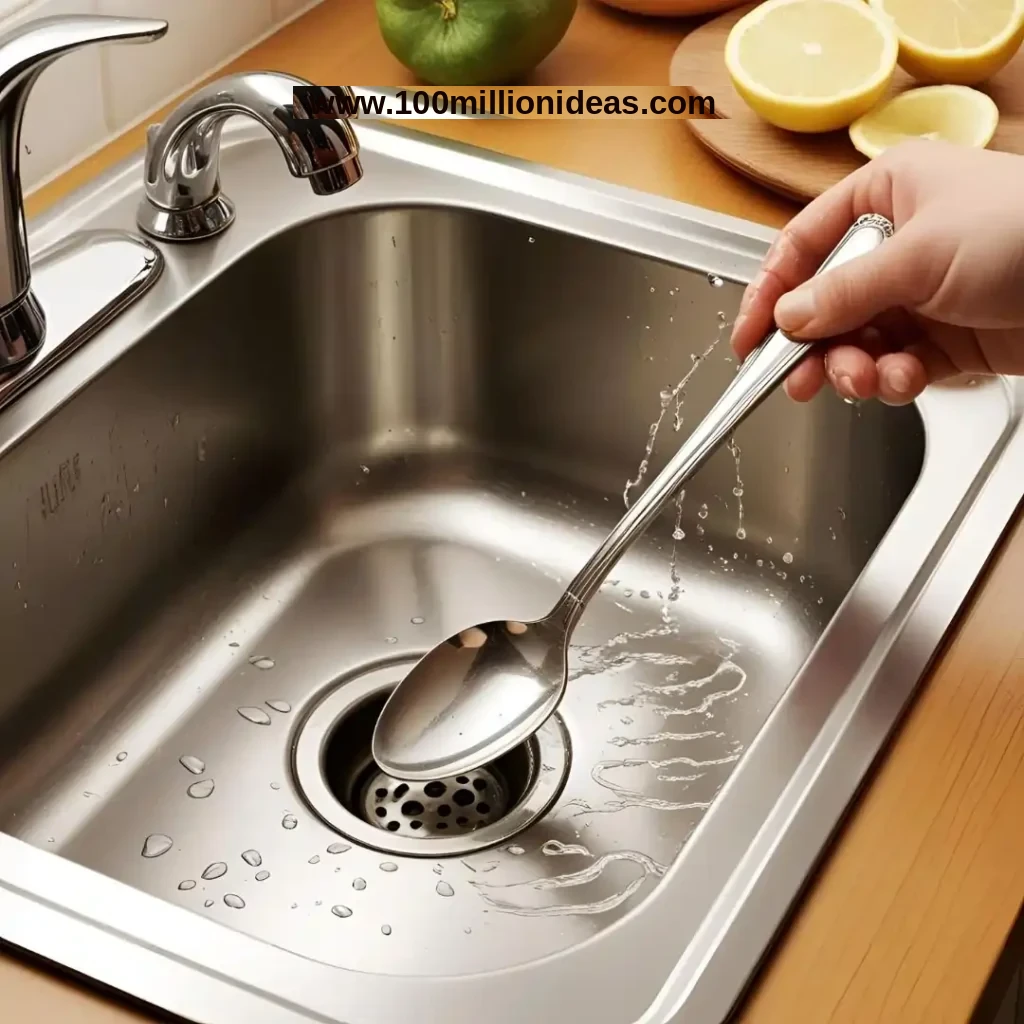
Hold the spoon sideways, not flat. Let the water run across the back or the side of the spoon instead of straight onto the bowl.
That way the water flows off the spoon instead of bouncing back at you.
I usually grip the handle close to the spoon’s head and slowly turn it under the stream.
Rinsing feels far more controlled this way. Once I started doing it, the splashing gradually disappeared.
What water pressure is best to wash a spoon without splashing?
High pressure might feel like it gets the job done faster, but it is the number one reason you end up splashed.
I keep my tap at medium or even low when I wash utensils. That is plenty to get things clean without water bouncing everywhere.
Honestly, it makes the whole process feel calmer and more controlled.
You will be surprised how much difference such a small change makes in keeping you and your kitchen dry.
What Tools Help Prevent Spoon Splashing During a Wash?
After so many trials over time, I found a few tools that really help:
These tools do not cost much, but they make washing dishes, especially spoons, so much easier.
- Sink splash guards – They block water from escaping the sink.
- Long-handled brushes – They keep your hands out of the splash zone.
- Silicone sink mats – They absorb water and reduce rebound.
Using a deep sink and a pull-down tap system will also help you avoid splashing during a wash.
How Do You Wash a Spoon Without a Sink?
I have had to do this a few times while camping. It is not hard, it is just a different task.
Fill a small bowl with warm, soapy water. Dip the spoon in and leave it there.
Take a clean cloth to scrub it, then rinse it using bottled water or a second bowl of clean water.
You can even use a spray bottle if you have one with you.
Dry it right away with a clean towel. It works fine, and it is super handy when you are away from a kitchen.
Can you wash a spoon with wipes without soap?

Yes, you can clean it to some extent. Use baby wipes, alcohol wipes, or even vinegar water on a cloth when you run out of soap.
They will not handle heavy grease, but for light use or travel they work fine.
Just wipe the spoon thoroughly, making sure to get right into the curve.
Then give it a quick rinse with clean water if you can. Not perfect, but it will do the job until you can wash it properly.
How to wash wooden spoon without splashing
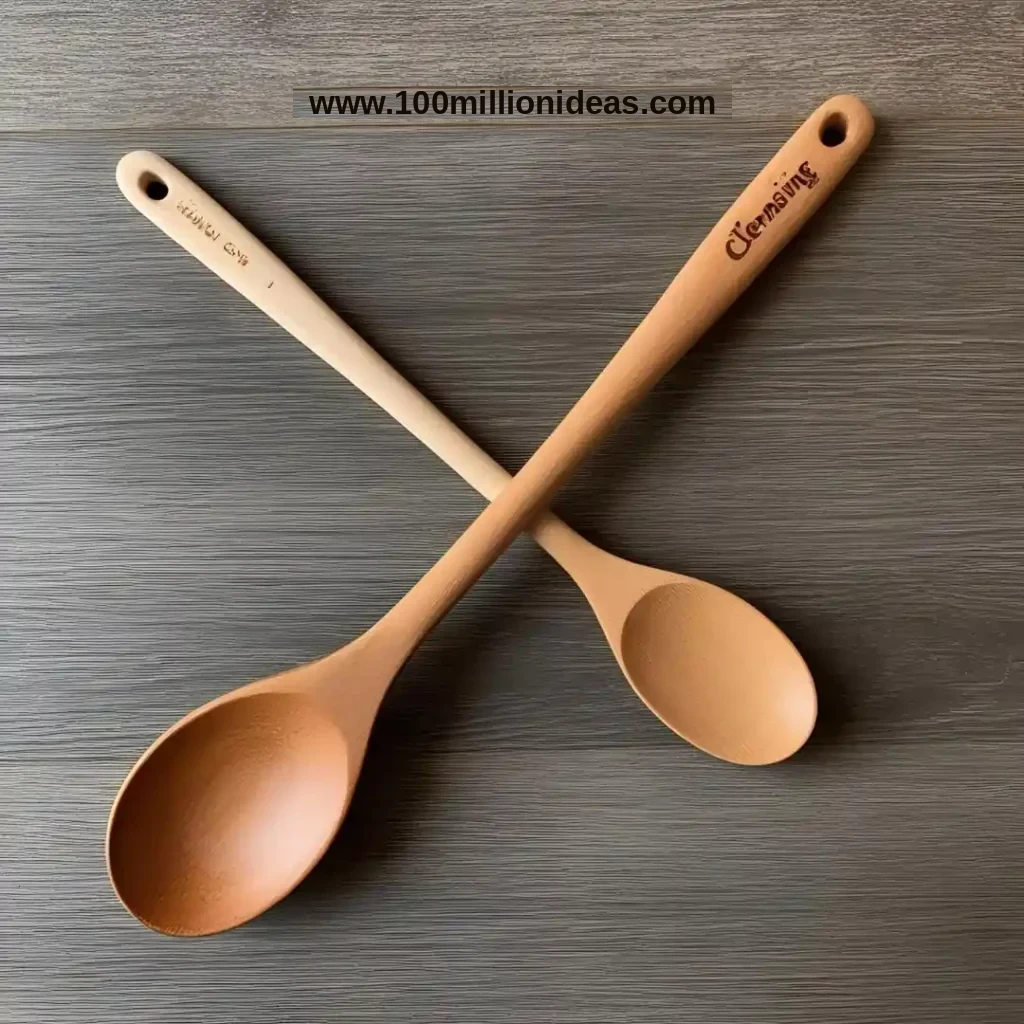
Wooden spoons look amazing, but they need a little care. Always avoid soaking them, because wood swells and cracks.
Instead, wash them with warm water, mild dish soap, and a soft sponge.
After rinsing, dry them immediately with a towel or leave them to air dry.
Never put them in the dishwasher, because they will come out warped or in even worse condition.
The best way to wash and dry a spoon without splashing
Here is what I do, and it has worked every time:
Rinse one spoon at a time under a light stream of water, holding it at a slight angle.
Let the water run off. After rinsing, shake it gently over the sink!
Then either dry it with a soft towel or stand it upright in a drying rack.
If you are serious about staying dry, place a hand towel or mat in front of the sink to catch any sneaky drips.
can you wash a wooden spoon in the dishwasher?
When I recently bought a dishwasher, I worried about putting my grandmother’s favourite wooden spoon inside.
Wooden spoons carry more than just usefulness; they hold memories, warmth, and the essence of home cooking.
But here is the truth: you should never wash a wooden spoon in the dishwasher.
The high heat and strong detergents can cause the wood to crack, warp, or lose its natural finish, leaving it rough and unsafe over time.
Instead, hand-washing with mild soap and warm water keeps the spoon strong and smooth for years.
Think of it this way: your dishwasher handles the plates, but your hands protect the legacy.
Preserve that wooden spoon, and you are not just saving wood, you are saving stories!
Conclusion: how to wash a spoon without splashing

Who knew washing a spoon could bring this much annoyance into daily chores?
But once you understand what causes all that splash and learn a few simple ways to fix it, the problem stops.
A small adjustment in how you hold the spoon, lower water pressure, and a couple of smart tools can completely change your dishwashing routine.
I hope this guide helps you laugh a little and stay a lot drier!