How To Season An Aluminium Pan For A Nonstick Finish!
Let me tell you something from my kitchen. Once I learnt how to season an aluminium frying pan properly, everything changed.
I am not only talking about food sticking less, but also about those golden, crispy edges, the easy cleanups, and the way flavours pop.
Whether it is your first time seasoning or you have had bad luck before, I have been there. I will walk you through this step by step, as if we are standing at your stove together.
Why You Need to Season Your Aluminium Pan

Trust me, I used to skip this step too. I thought seasoning was only for cast-iron items.
Once I tried seasoning my aluminium pan, it was a game-changer. The pan looked better, felt better, and even smelled better, like it was ready for cooking.
When you season your aluminium pan, you are building a protective, non-stick surface. It prevents food from sticking, protects against rust or oxidation, and makes cleaning as simple as a quick wipe.
You will taste the difference, too. Seasoning helps food taste better and keeps flavours in.
Does pan type matter when you season an aluminium pan?
Not all pans are made the same, and seasoning works differently depending on the material.
Before we season, take a quick look at your pan. Understanding its material helps you to achieve success. Here is what you need to check:

- Aluminium Pans: If yours is aluminium, seasoning can help reduce sticking and protect the metal. But if it is non-stick coated, skip seasoning, as it could mess up the finish.
- Cast Iron: These are strong dishes. These pans need seasoning regularly. They soak up oil and build a tough, natural, non-stick coat.
- Carbon Steel: Think of it as cast iron’s cousin, lighter, but seasoning is necessary. It needs the same care, just a little more often.
- Stainless Steel: Does not require seasoning, but learning proper preheat-and-oil technique keeps food from sticking.
What Is Seasoning and Why It Works Like Magic
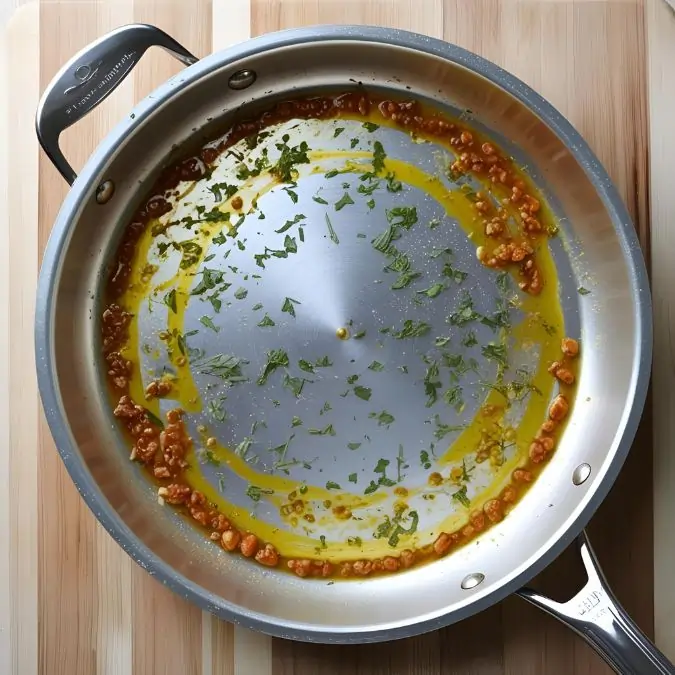
Seasoning is not just rubbing some oil on your pan, it is science.
When you heat a high-smoke oil on the surface, it goes through polymerisation. It hardens and sticks to the pan, filling in tiny cracks to create a glassy, non-stick shield.
That is why seasoned pans feel smooth and clean even after cooking. They repel moisture and protect against rust. Over time, the more you cook, the better it gets.
What You Need to Season Your Aluminium Pan
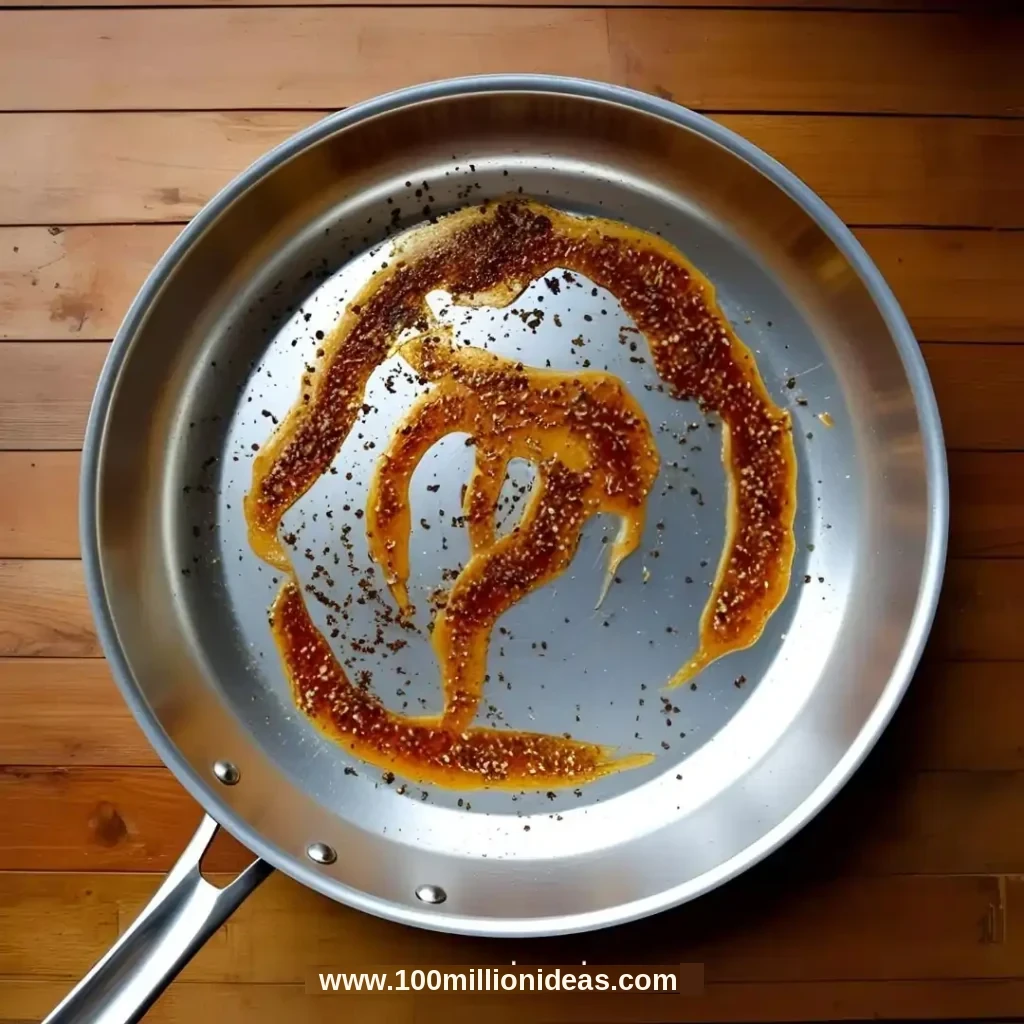
Before you start seasoning, gather everything you will need. Trust me, having the right tools makes it feel easy and fun.
Always use mild dish soap and warm water to clean first. A soft sponge keeps you from scratching the pan.
Grab a towel to dry it completely. You will also need a high-smoke-point oil, preferably grapeseed or flaxseed.
Do not forget oven mittens and aluminium foil if you are seasoning in the oven. With just these simple items, you will be ready to transform your pan into a cooking powerhouse.
How to Prep Your Pan Before Seasoning
The first time I tried seasoning my aluminium pan, I skipped cleaning, and it showed. The oil did not stick, and the food still stuck.
Now, I always wash the pan well with warm, soapy water. This step removes any grease, dust, or factory coating. Then I rinse and dry it carefully with a towel.
But here is the trick: place the pan over low heat on the stove for a minute or two to fully dry it. No moisture should be left. Oil and water will not mix!
A dry pan makes the seasoning layer smooth and long-lasting.
Step-by-Step Guide on How to Season Aluminium Pan at Home
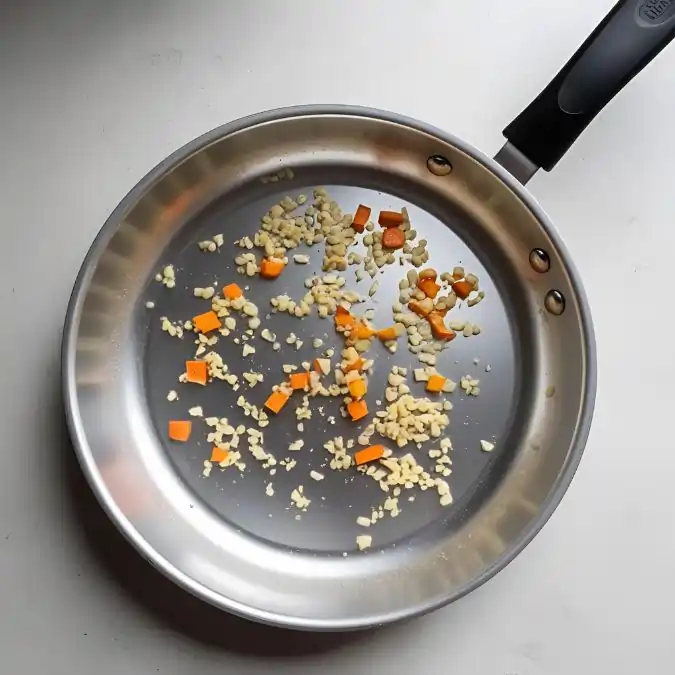
Ready to season your aluminium pan? Here is how I do it.
First, pour a small amount of high-smoke-point oil into the clean, dry pan. Then use a paper towel to spread the oil into a thin, even coat across the surface. Do not add too much, as it can make it sticky.
After that, heat the pan either on the stove over medium heat or in the oven at 400°F (200°C) for 15 minutes.
A little smoke is normal, it means the oil is bonding to the pan. Once it cools, your pan is better than new.
Cast Iron vs. Carbon Steel: What Makes Them Different for Seasoning
Do you know that cast iron and carbon steel behave differently when seasoning?
A cast iron pan is like a slow-cooker friend, it takes longer to heat but holds that heat forever. Its thick surface builds up a beautiful dark patina after a few seasoning rounds.
Carbon steel is like the sleek athlete, it heats up quickly and responds fast. It seasons faster, too, but I find I have to touch it up more often.
With both, thin layers of oil and consistent care make all the difference. Just be patient, and they will become your good cooking tools.
What mistakes should to avoid when you season an aluminium pan?
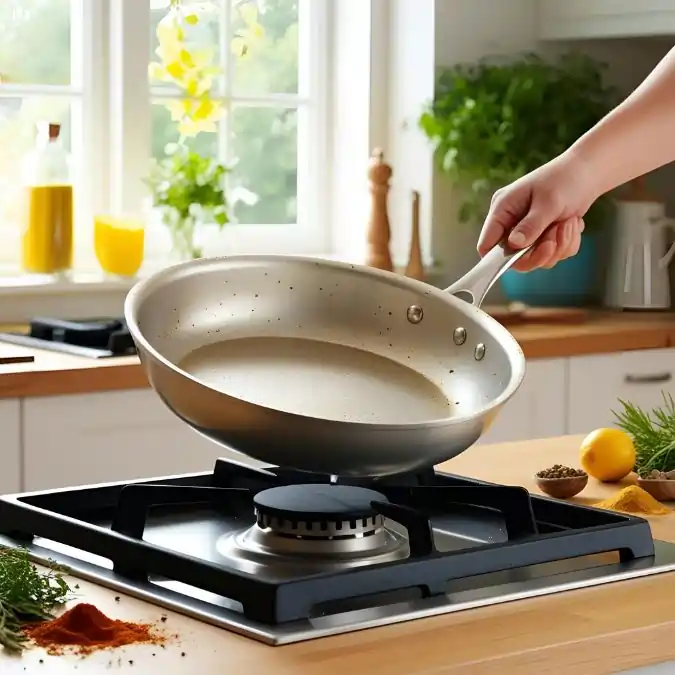
Let me explain, I have messed up seasoning a few times. Here are the mistakes you need to avoid while seasoning your aluminium pan.
The biggest mistake? Using too much oil, thinking more was better, but it turns into a sticky mess.
Clean the pan properly, otherwise the seasoning will peel off later. And do not use olive oil, which smokes too early and made the pan smell weird.
Stick to thin layers, choose the right oils, and use gentle heat. Do not rush it. Seasoning is about building layers slowly, like painting a wall. Get it right, and you will never deal with stuck-on food again.
When and How Often to Re-Season Your Frying Pans
How do you know it is time to re-season? It is a big question, right? For me, the signs are clear, do not worry, I will share:
When food starts sticking again or the surface looks dull or blotchy, it is time to season your aluminium pan. If you scrubbed too hard or cooked something acidic like tomato sauce, give it a quick touch-up.
Re-seasoning is not a full reset, it can be as easy as wiping on a little oil and heating it again. I try to do this every couple of weeks or after any deep clean.
Keeping up with it regularly makes cooking smoother and cleanup easier.
Easy Ways to Maintain Your Seasoned Pan for Years
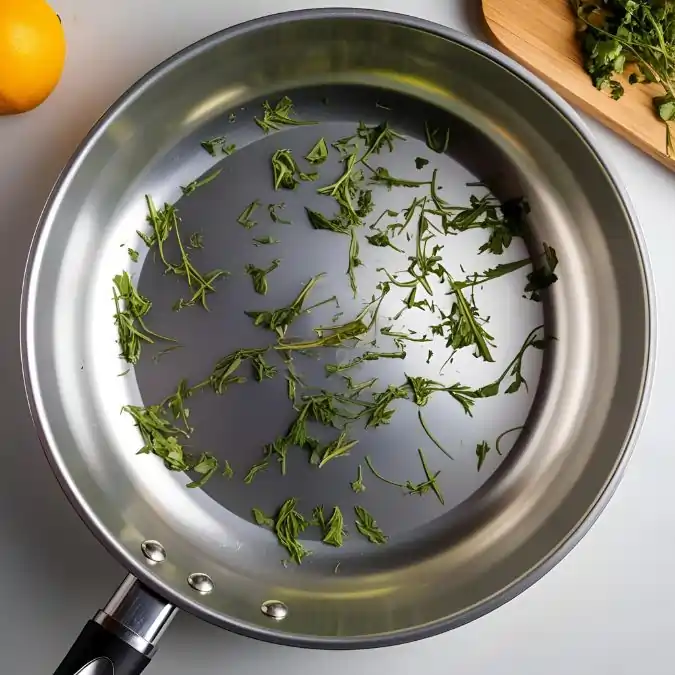
Once your pan is seasoned, keeping it is all about small habits.
After cooking, let the pan cool slightly, then wipe it out with a paper towel. If something sticks, a sprinkle of coarse salt and a few drops of oil will scrub it right off without damaging the seasoning.
Never leave it soaking in water, and do not use harsh soap. After drying, rub on a tiny amount of oil and let it sit.
It is simple. Doing this takes less than a minute but keeps the pan slick and strong for years to come.
What to Do If Your Pan Starts to Stick or Rust
Even with good care, sometimes pans act up. I have had my seasoned pan suddenly start sticking or show a few rust spots.
When that happens, do not panic, just start fresh. Give the pan a gentle scrub with warm water and a soft brush, then dry it completely.
If rust appears, a baking soda and water paste does the trick. Once cleaned, reapply oil and go through the seasoning process again.
It is like giving your pan a mini spa day. After that, it is back to working like new, smooth, shiny, and ready to cook anything.
Cooking Tips for the Best Results with Seasoned Pans
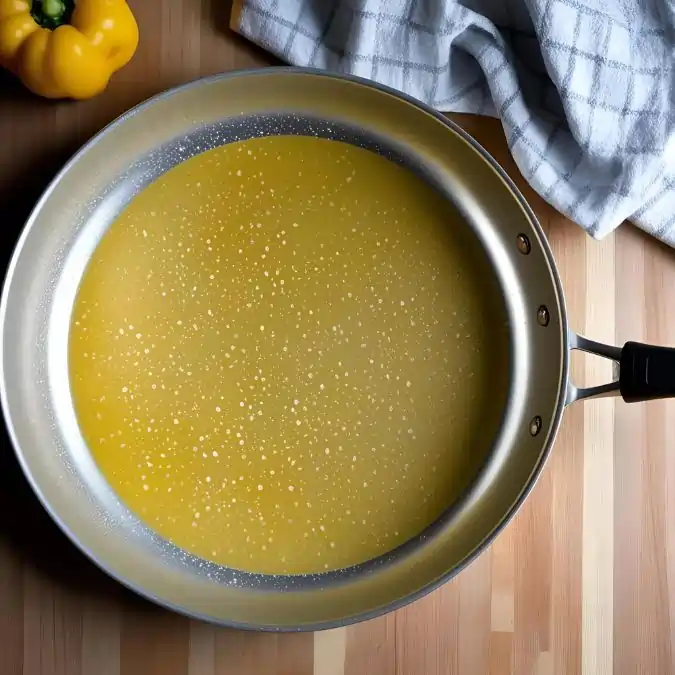
Cooking with a seasoned pan is a different experience, it is smoother, tastier, and easier.
First, always preheat your pan for a minute or two. This helps food cook evenly and not stick. Then add a little oil before your ingredients.
I have found that foods like eggs or pancakes come out beautifully in a seasoned pan. Avoid cooking acidic dishes too often, as they can eat away the seasoning.
And always use non-metal utensils. Wooden spoons or silicone spatulas are good choices. A little care while cooking means your pan stays seasoned longer, and your food turns out better every time.
Alternative Seasoning Methods That Work Great
Want to try something different? I have experimented with a few other methods.
Flaxseed oil, for example, gives a super hard finish, but you have to bake it multiple times at a high heat, around 450°F.
Some people swear by seasoning sprays made for cookware; they are fast and convenient. And if you want low maintenance, anodised aluminium pans come pre-treated to resist sticking and corrosion.
Try different methods and find the one that fits your routine best.
Benefits of a Properly Seasoned Frying Pan
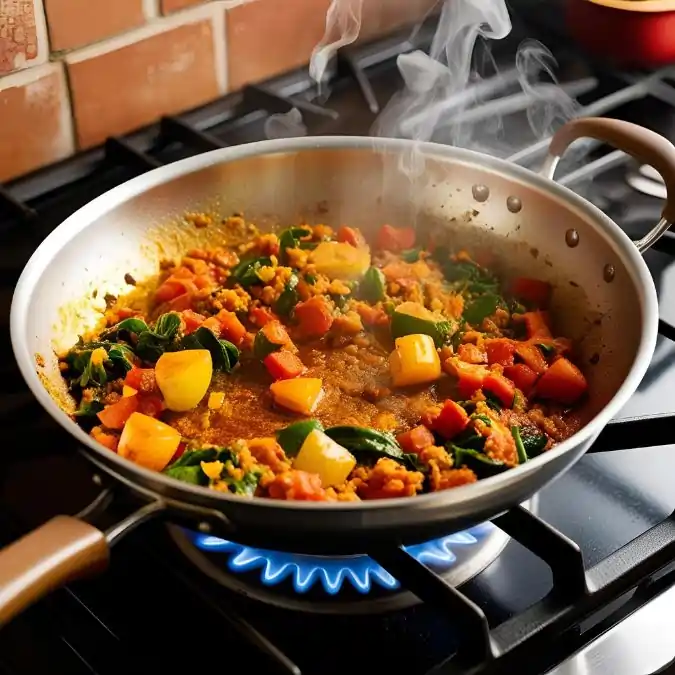
The benefits of seasoning are not just about avoiding sticky food, it changes your whole cooking vibe.
Your food browns better, flavours deepen, and cleanup becomes so easy. You will use less oil, eat healthier, and your pans will last longer. With seasoned pans, I can sear steak, fry eggs, or crisp tofu without stress.
A seasoned pan looks great, there is something satisfying about that smooth, shiny surface. It is not just functional; it feels professional. It turns everyday meals into something special.
Once you experience how a well-seasoned pan performs, you will not want to cook without it.
Final Thoughts on how to season an aluminium pan
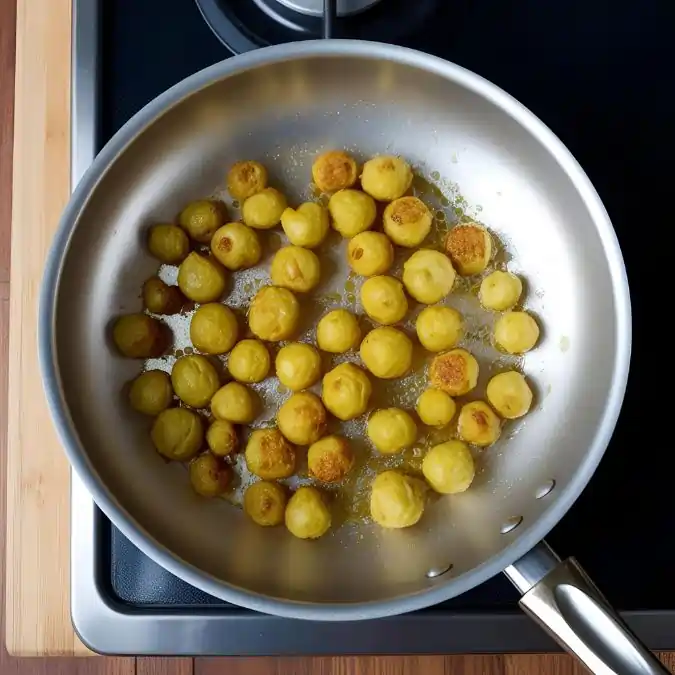
Here is what I have learnt: seasoning your pan is not just a chore. It is part of caring for your tools, and in return, they take care of you.
It is a small investment of time that pays off every day. With proper seasoning, your pan becomes your partner in the kitchen. It cooks better, feels better, and lasts longer. So do not skip it.
Take the time, build those layers of seasoning, and treat your pan like a prized possession. You will notice the difference in your meals, and you will love how easy everything becomes. This is how great cooking starts.