Why Does My House Smell Like Ammonia: 9 Surprising Causes!

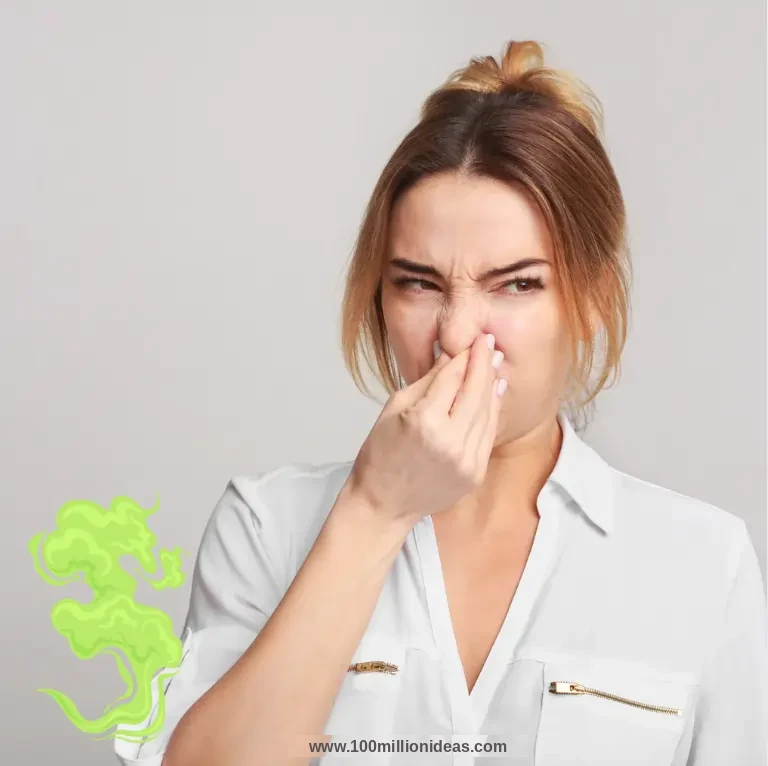
Ever wondered, “Why does my house smell like ammonia?” the moment you walk in? If so, you are not alone. Just the other day, I walked into my home and asked myself the same question, only to discover it was a leftover trash bag.
But that is just one reason! There are multiple culprits behind an ammonia-like smell in your home. Addressing it is crucial, so here is a detailed guide on why your house smells like ammonia and the easy ways to tackle it.
Is Ammonia Smell in House Dangerous?

The smell of ammonia in your house can be potentially risky depending on its concentration and duration. Ammonia is a strong chemical that can irritate your eyes, nose, and throat, and it can also affect your lungs in the long run.
So first, you need to decide whether the smell is related to ammonia or is ammonia itself. If you feel it is ammonia, you need to act swiftly to contain this hazardous issue.
What Can Cause an Ammonia Smell in Your House?
The smell of ammonia is unmistakable, but pinpointing its source can feel like chasing shadows. Here are the usual suspects for an ammonia smell in your house.
1. Pet Urine Can Cause Ammonia Smell in Home
If you have pets in your home, the chances are high of getting an ammonia-like odor. The highly concentrated urea in pet waste is the main reason, and it can intensify if not attended to properly. Make sure to clean the stains and residues as soon as you observe them to maintain an odor-free home.
2. Decomposing Organic Matter
The most common yet unavoidable reason for the ammonia smell in the home is decomposing organic matter. The main sources include the trash bin, dead rodents, and even food waste left for days. Clean up as soon as you observe these things to get away with the ammonia smell in the home.
3. Dirty Drains Makes Your House Smell Like Ammonia

The most common places where you feel an unpleasant odor like ammonia are the sink and the bathroom. All this is because of the gunk building up and the organic matter accumulating in the drain pipes. So it is very important to maintain the drain with periodic cleaning to keep your bathroom smelling like a spa.
4. Mold Formation in the Home
Mold and mildew formation in the home will stink the same as ammonia. The main reason for mold formation is poorly ventilated areas like the bathroom and the basement. Some types of mold release volatile organic compounds that are related to the ammonia smell.
5. Refrigerant Leaks Can Make the House Smell Like Ammonia

An ammonia smell coming from your HVAC system can signal a refrigerant leak. The older the system, the more the ammonia-based smell intensifies, as they use ammonia-based coolants. Make sure there is no leakage to contain the smell, and turn the system off if needed. This applies to water dripping from the AC as well.
6. Stored Cleaning Products
Sometimes we might leave an ammonia-based cleaner tucked in our cabinets. Over time, leakage from these containers can affect the surroundings, filling the space with bad odors. You need to prefer air-tight containers to avoid this situation, and make sure to ventilate the area well.
7. Overused or Dirty Cleaning Rags

Rags and sponges used repeatedly without proper cleaning can harbor bacteria that break down organic matter. This matter tends to release an ammonia-like smell. This is especially common in kitchens and bathrooms.
8. Rotting Vegetables in the Pantry or Fridge
Spoiled vegetables, such as potatoes or onions, release ammonia as they decompose. Forgotten or improperly stored produce can create a sharp, unpleasant odor over time.
9. Sewer Gas Backups
A dry or clogged drain trap in your plumbing can allow sewer gases, which contain ammonia, to enter your home. Regularly running water in seldom-used drains can help prevent this issue.
How To Get Rid Of Ammonia Smell In House
Here are the ways to learn when your house smells like ammonia, and tricks to get away with it.

Use activated charcoal: place charcoal bags in affected areas to absorb ammonia odors effectively. Sprinkle baking soda: spread it over smelly surfaces and vacuum after a few hours to neutralize odors. Set up vinegar bowls: white vinegar in open bowls can help absorb and eliminate ammonia smells naturally. Clean with hydrogen peroxide: mix with water and apply to surfaces to neutralize odors safely. Try essential oils: diffuse lavender or tea tree oil to mask odors while purifying the air. Replace old carpets or upholstery: if smells persist, consider replacing materials that have absorbed ammonia.
Conclusion
So it is very vital to know why your house smells like ammonia before dealing with it and containing it. From decaying material to water leakages, cutting down the root cause is best for safety and good odors. You can write back in the comment section to learn easier ways to get away with the ammonia smell in your home.
Why Does My House Smell Like Ammonia: FAQs

1. Why does my house smell like ammonia at night?
At night, closed windows and poor ventilation can trap ammonia odors, especially from pet urine or mold, making the smell more noticeable.
2. What To Do To Avoid Ammonia Smell When Sleeping?
Ensure proper ventilation by opening windows, using fans, or air purifiers, and clean potential ammonia sources like pet areas or drains before bedtime.
3. How do I prevent ammonia smells in the future?
To prevent ammonia smells, regularly clean pet areas, maintain plumbing, remove food waste promptly, control moisture to prevent mold, and ensure proper ventilation in your home.
4. How Can I Remove Ammonia Smell From My Bed?
Clean the bedding thoroughly, ventilate the room, and use baking soda or an air purifier to eliminate ammonia odors from the mattress and linens.