25 Stylish Ideas On How To Mix Fabric Patterns In A Room!

Ever walked into a room and instantly felt comfortable without knowing why? That is the magic of mixed fabric patterns. Knowing how to mix fabric patterns in a room turns ordinary spaces into personality-filled havens.
From cheerful florals to timeless stripes, it is about creating rhythm and comfort through textiles. Studies show that over 72% of homeowners feel fabrics influence mood and cosiness more than colour alone. So, if you have ever hesitated, unsure how to make patterns work, let us discover simple ways to get your home organised and feeling like you.
Why Knowing How to Mix Fabric Patterns in a Room Matters

Mixing patterns is not just about fashion, but a life skill. Mastering how to mix fabric patterns in a room helps you express personality through colour and composition. A 2024 design study by DecorVista found that homes with thoughtful fabric layering scored 40% higher in visual appeal among guests. When your space feels cohesive and dynamic, you naturally feel calmer, inspired, and more at home.
Understanding the Basics of How to Mix Fabric Patterns in a Room

Before diving into colours and shapes, start with scale, tone, and texture — the building blocks of great design.
1. Start with What You Love
Before exploring how to mix fabric patterns in a room, look at fabrics that make you smile — maybe a plaid blanket or a floral pillow. Patterns reflect emotion. Start from what feels right to you. Whether cosy farmhouse or chic modern, your first pattern anchors the rest. Every other choice will complement, not compete, when guided by personal preference.
2. Pick a Hero Pattern
The hero pattern is the star. When learning how to mix fabric patterns in a room, choose one bold, eye-catching design like large floral curtains or geometric upholstery. This becomes your focal point. Once it is set, let smaller, simpler patterns quietly support it. Think of it as your room’s main character surrounded by a thoughtful cast.
3. Find Your Color Family
Colours unite chaos. Pick a palette of 3–4 hues that repeat across textiles. A navy throw, a patterned rug with matching tones, and soft neutral cushions make your mix feel intentional. Repetition through colour creates calm harmony, even if your patterns wildly differ.
4. Play with Pattern Scales
Mixing large, medium, and small designs is crucial. Oversized prints grab attention, medium ones bridge gaps, and small ones add balance. A large botanical rug, mid-sized polka dot cushions, and tiny checks on chairs blend smoothly. Scale variation prevents visual noise and builds flow.
5. Use Solids as Breathers
Solids are the quiet spaces in your visual story. Place plain cushions or neutral curtains between busy prints. These pauses give your eyes a break and let each pattern shine. Think of solids as deep breaths — essential to keeping your room balanced and inviting.
Choose Colors and Contrasts When Mixing Fabric Patterns

Colour is what separates a cluttered look from a designer one. Mastering how to mix fabric patterns in a room means learning to play with contrast and mood.
6. Use One Dominant, One Subtle Pattern
The best designers say a room starts with balance. Choose one dominant pattern that leads and another subtle one that supports. For example, strong stripes paired with a soft polka dot or herringbone. The key is contrast in energy but connection in colour. That contrast keeps the mix exciting, not chaotic.
7. Blend Geometrics with Organics
Combining geometric lines with organic shapes is a timeless way to learn how to mix fabric patterns in a room. Pair bold chevrons with soft florals. The structured geometry grounds the playfulness of nature-inspired motifs. Together, they bring harmony — like rhythm and melody in music — proving opposites really do attract in design.
8. Add Texture, Not Just Print
Texture counts as a pattern, too. Layer woven fabrics, knits, or velvets with printed designs. These contrasts add depth without more visual noise. A chunky knit throw next to smooth linen cushions feels rich and balanced. Your hands and eyes both stay delighted.
9. Keep Contrast Moderate
Contrast creates interest, but overdoing it makes your room feel noisy. A key step is managing intensity. If one print shouts, let another whisper. Use soft gradients between bold and neutral tones. The aim is energy with ease, movement without havoc.
10. Repeat Subtle Motifs
Repetition brings peace. Repeat small motifs like dots, leaves, or diamonds across different elements. It ties everything together. For instance, a dotted throw, dotted vase, and dotted curtain connect your space without screaming “matching”. The room feels thoughtfully designed, not forced.
Layering Patterns Across Different Elements

Once your palette is set, bring life to the room by layering. The art of mixing fabric patterns lies in knowing where each belongs.
11. Anchor Patterns with Rugs
Start layering from the floor. A patterned rug sets the foundation for everything above. Its colour palette guides throw pillows and drapes. Go for classic stripes or oriental motifs. They ground the space, define zones, and make mixing prints feel naturally cohesive.
12. Layer from Large to Small
Layering patterns is like painting in layers. Start with big patterns like curtains and rugs, and move toward smaller accents like pillows and throws. This visual cascade draws eyes naturally around the space. Large anchors add weight, and small accents sprinkle charm. It is design choreography in textile form.
13. Use Patterns to Define Zones
Open-plan homes benefit most from knowing how to mix fabric patterns in a room. Use different connected patterns to define areas — plaid cushions in the reading nook and geometric prints near the dining area. This creates gentle separation without walls, letting your home feel open and organised.
14. Create a Visual Path
Your eyes should travel comfortably through a room. Distribute designs evenly, not clumped in corners. Repeat colours and patterns in diagonal or circular flows. This movement gives structure, making each corner feel tied into one beautiful story rather than isolated chapters.
15. Mix Old and New Textiles
Blending eras adds character. Combine vintage prints with modern graphics — maybe Grandma’s floral chair beside sleek geometric cushions. This contrast celebrates personality and memory. As interior designer Amber Lewis says, pattern tells your story one fabric at a time.
Experimenting with Styles and Personal Touch

Patterns tell stories from vintage to modern, boho to coastal. Personalising how to mix fabric patterns in a room gives your home emotional texture.
16. Use the 60-30-10 Rule
The colour ratio matters. Make 60% of the room one main colour, 30% secondary, and 10% accent. It is the golden formula decorators use. For example, a beige sofa (60%), blue cushions (30%), and coral throws (10%). This structure keeps your mix vibrant and composed.
17. Stick to Warm or Cool Families
Choose either warm colours like reds, oranges, and yellows, or cool colours like blues, greens, and purples. Mixing them unevenly can cause dissonance. A unified temperature palette creates emotional harmony. Warm feels cosy and social. Cool feels calm and peaceful — both beautiful, depending on your lifestyle.
18. Balance Neutrals and Pops
Too many bright patterns overwhelm. Pair bold designs with neutral companions. If your floral cushions burst with colour, tone them down using beige, taupe, or soft grey fabrics. The neutrality acts as a bridge, making patterns pop while keeping your space breathable.
19. Use Nature as a Palette Guide
Nature is the best teacher. Think of a garden with green leaves, brown soil, and colourful flowers that all harmonise naturally. Borrow those colour combinations for textiles. Tones with leafy prints, or ocean-inspired blues with sandy neutrals, always feel balanced and timeless.
20. Let Lighting Influence Fabric Choice
Light changes colour. Notice how daylight or lamp light shifts hues. Bright daylight enhances contrasts, while warm bulbs soften them. Always test fabrics under your room’s actual lighting before finalising. This small step ensures your patterns glow consistently, day or night.
Testing, Editing, and Perfecting the Mix

Even experienced designers always test. The final step is fine-tuning for comfort and cohesion.
21. Mix High and Low Styles
You do not need luxury fabrics. Blend linen with cotton, velvet with jute. This high-low pairing adds texture and approachability. Mixing affordable fabrics with premium accents keeps your room stylish and relatable, proving that great design is not about cost, but creativity.
22. Try the 3-Pattern Rule
A simple pro trick is to use three patterns at a time. Pick one large, one medium, and one small. It is foolproof harmony. For instance, a large floral curtain, mid-sized stripe rug, and tiny-dot throw pillow. Together, they create rhythm and depth without confusion.
23. Include One Unexpected Print
Design thrives on surprise. Add one quirky fabric like animal print, watercolour abstract, or tribal stripe. This wild card keeps your decor playful and memorable. It becomes the conversation starter that shows you have mastered creative confidence.
24. Edit Ruthlessly
Too many patterns can overwhelm even experts. Less is often more. Step back, squint, and remove one item if your eyes feel crowded. Editing reveals elegance. Every designer agrees that simplicity lets beauty breathe, especially when patterns are involved.
25. Trust Your Eye
At the end of every guide on how to mix fabric patterns in a room, there is one truth: trust yourself. Patterns are personal. Your comfort, joy, and taste are the ultimate rules. When it feels right to you, it is right. Confidence transforms arrangement into artistry, making your home uniquely and unapologetically yours.
Benefits of Mixing Fabric Patterns in a Room
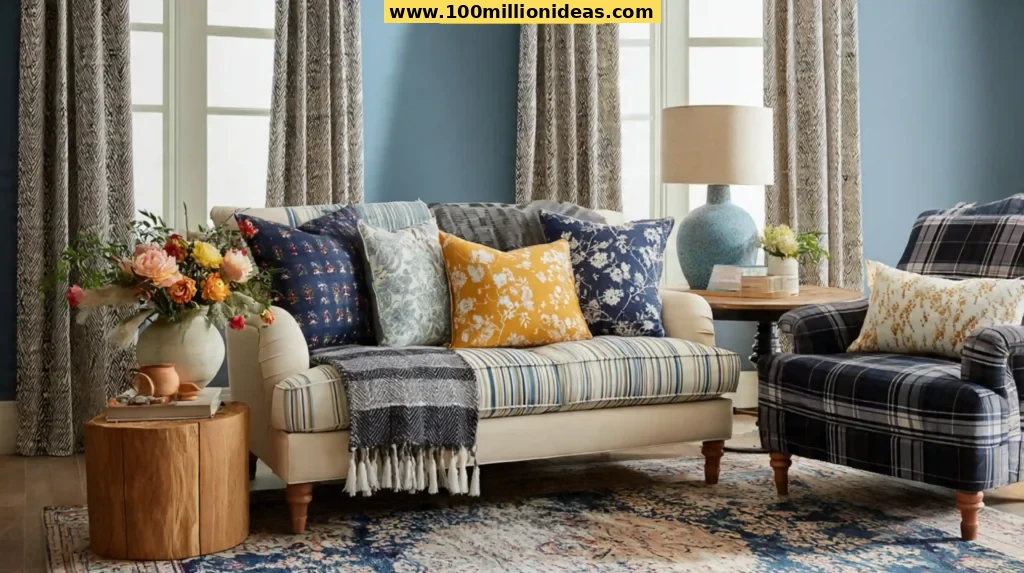
Understanding how to mix fabric patterns in a room goes far beyond decorating. It is a creative mindset that transforms how your home feels and functions. Here are five key benefits:
1. Visual depth and character – Patterns create movement, storytelling, and dimension that make rooms come alive.
2. Creative flexibility – Once you learn the skill, you can easily update a space by switching cushions, rugs, or throws.
3. Balanced harmony – A good pattern mix ties furniture, curtains, and accessories into one cohesive design.
4. Budget-friendly refresh – Instead of a full remodel, fresh fabrics can reinvent your space affordably.
5. Emotional connection – Personalised combinations make your home feel filled with meaning and memory.
Recent Design Insights & Trends
According to a 2024 Houzz survey, 68% of homeowners believe fabric combinations directly influence how welcoming their rooms feel. Meanwhile, searches for “how to mix fabric patterns in a room” rose by 52% in 2025. This shows rising interest in personal, layered interiors. Designers now emphasise emotional connection, not perfection. Mixing fabrics mindfully helps you craft a home that feels warm, real, and truly lived-in.
Conclusion
Mastering how to mix fabric patterns in a room is not about memorising rules. It is about telling your home’s story through fabric and feeling. When colours echo, patterns converse, and textures play, your space feels uniquely alive. Trust your instincts, enjoy the process, and remember that every mix adds personality. Your home deserves more than perfection. It deserves your touch.
FAQs: How to Mix Fabric Patterns in a Room

1. What are the basic rules for how to mix fabric patterns in a room?
Start with one hero pattern, add supporting prints, and balance colours. Keep pattern scale varied and repeat tones to maintain visual harmony.
2. How do you mix fabric patterns in a small living room?
Use fewer patterns but more texture. Stick to one bold design with subtle companions. Light colours and repetition make small rooms feel cohesive.
3. Can you mix florals and stripes when learning how to mix fabric patterns in a room?
Absolutely. Florals add softness, stripes bring structure. Just connect them through colour or scale — like a floral cushion on a striped chair.
4. What fabrics work best for pattern mixing?
Cotton, linen, velvet, and wool blends all work beautifully. Focus on contrast — smooth with textured — for a layered, designer-style result.
5. How do I avoid clashing fabrics when mixing patterns in a room?
Stick to one cohesive colour story and vary scale. Use solids as buffers, and step back often to assess overall balance and flow.