How Long Does Super Glue Takes To Dry? 7 Things You Must Know!

Last week, while I was fixing my son’s favourite toy car, I found myself wondering, how long does super glue take to dry?
He was standing right beside me, waiting impatiently to race it again, so I was in a real hurry. I pressed the broken pieces together and kept checking every few seconds, half expecting them to stick instantly.
That is when I realised patience matters with super glue. It sets differently on different surfaces, and sometimes a small trick is all it takes to speed things up.
If you have ever asked how long super glue takes to dry, here is the little lesson I learned — one that might save you from a sticky mess.
The Science Behind How Long Does Super Glue Take To Dry?

When I first started using super glue, I assumed it simply “dried” like paint or water. The truth is, it works in a completely different way.
Super glue does not dry because of air or heat. It hardens through a chemical reaction. The glue is made of a liquid called cyanoacrylate, and the moment it touches even a tiny bit of moisture, it reacts and turns solid.
In fact, tests show it can reach initial strength in 10–30 seconds, although a complete cure usually takes 12–24 hours.
That is why it bonds so fast and so strongly. This simple science explains how long super glue takes to dry — and what gives it its almost magical sticking power.
Factors That Decide How Long Does Super Glue Takes To Dry
I soon learned that super glue does not always dry at the same speed. Its timing changes depending on a few simple things.
1. Type of material
It grabs faster on rough or porous materials like wood, in under 30 seconds, but it takes longer on smooth ones like glass or shiny plastic — about 1–2 minutes.
2. Moisture in the Air
On a humid day, around 60–70% humidity, it sets in almost 10–15 seconds. But in dry winter air, below 30% humidity, it will not bond nearly as quickly. That is when I learned moisture is a big factor.
3. Amount of Glue
Pouring on too much glue does not mean a stronger hold. Thick layers over 0.5mm can take 5–10 times longer to cure. A thin layer under 0.1mm always works better and dries faster than a thick blob.
4. Temperature
At a warm temperature of around 20–25°C, the glue hardened in seconds. But on cold mornings below 10°C, it slowed down a lot, sometimes taking 2–3 minutes. Heat speeds the process up, while cooler air drags it out.
How Long Does Super Glue Take to Dry on Different Surfaces

When people ask me how long does super glue take to dry, I always say: it depends on the surface.
Research also shows that curing time changes with surface density, temperature, and humidity. Let me break it down:
- Plastic: Sets in 30–60 seconds, but only reaches 70% bond strength. Full curing takes 12–24 hours.
- Metal: Bonds in about 1–2 minutes, but colder temperatures can slow it by 40%. After 24 hours, the strength can hit 3,000+ psi.
- Wood: Needs 1–2 minutes to set, but porous wood can weaken adhesion by 50%. A thin coat and a 24-hour cure give a 2,500–3,500 psi hold.
- Glass: Dries in 1–2 minutes, but without clamping, it slides apart. After a full cure, the bond reaches 2,500–4,000 psi.
- Rubber: Quick grab in 30–45 seconds, yet flexibility reduces strength by 30% if not left for 12–24 hours.
- Fabric: Takes 2–5 minutes to stick, but fibres absorb glue and cut bond strength by 40%.
- Skin: Bonds fastest in 5–10 seconds, nearly 3x quicker than plastic. It takes 10 minutes of soaking to separate them. Gloves are a must!
So quick bonds happen in seconds, but lasting strength always comes after 12–24 hours, no matter the surface.
Does Heat Make Super Glue Dry Faster?

Yes, heat does make super glue dry faster — but only when used wisely. I still remember fixing a broken metal keychain on a summer afternoon.
The glue almost set in under 15 seconds. From my own experience, gentle warmth like room temperature (20–25°C) or slightly above is ideal.
On average, super glue begins to set in 10–30 seconds, but in warmer conditions, with a rise of 5–10°C, it feels almost immediate.
In contrast, on cold mornings, it takes a full minute or more. Remember, too much heat above 80°C (176°F) can weaken the bond instead of helping.
How Long Does Super Glue Takes To Dry Completely?

Super glue may seem ready in seconds, but it does not become fully strong that quickly.
In my experience, lighter materials like wood or fabric are faster, while glass or metal need more patience.
The reason is simple: while super glue sets in 30–60 seconds, it actually needs 12–24 hours to cure completely.
During this curing time, the bond hardens, making it strong enough to last. I learned this when I glued the handle of my coffee mug.
Now, whenever I fix something, I make a point of waiting a full day, because rushing it always means re-gluing later.
After Drying: How Long Does Super Glue Last On Surfaces?

How long super glue lasts on surfaces really depends on where and how it is used. Here is what I found:
- Indoors (Wood, Plastic, Ceramic) – Bonds can hold for 1–5 years if kept away from heat and water. Lab tests show up to 90% strength remains after 12 months indoors.
- Outdoors (Metal, Tools, Glass) – With sun, rain, and temperature changes, super glue usually lasts only 6–12 months before weakening.
- Heavy Use Items – On things like mugs or handles, daily usage shortens the life even if it is indoors, often to just 6–18 months.
- Stored Items – On decorations or light-use objects, bonds last several years without issues.
Now you know how long does super glue take to dry and last on surfaces.
Best Tips To Make Super Glue Dry Faster And Stronger
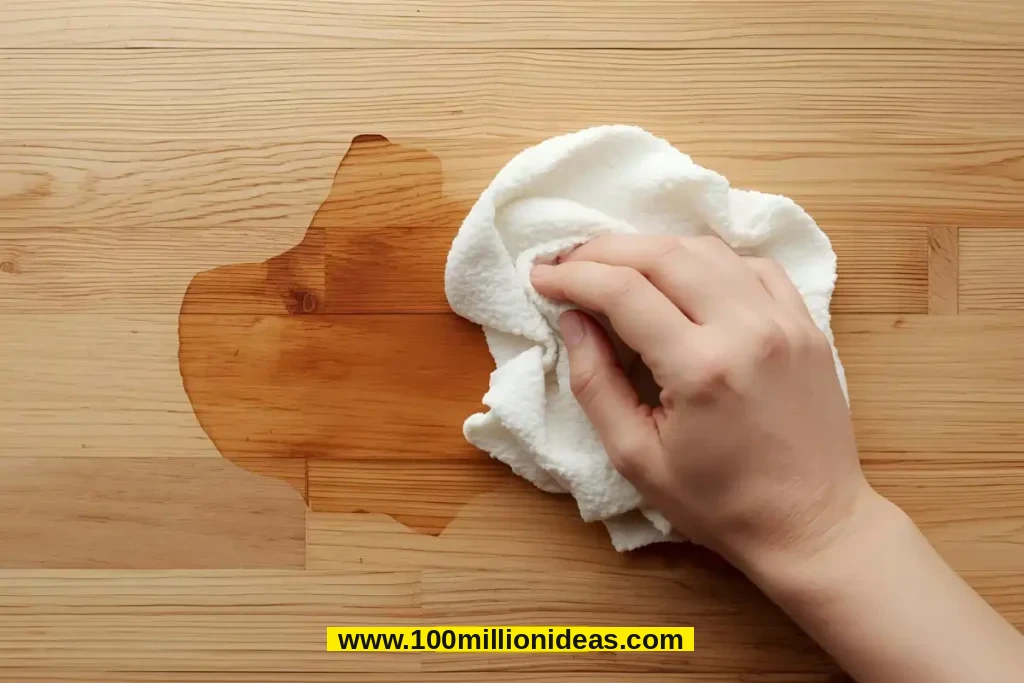
From my own repairs, I can clearly share the best tips to make super glue dry faster and stronger.
I have tested these tricks on toys, mugs, and even wooden furniture, and the results always prove the same:
- Apply a Thin Layer – A light coat sets in just 10–20 seconds, while thick coats can take minutes and weaken the grip.
- Add Gentle Heat – Increasing room temperature from 20°C to 30°C speeds curing by nearly 40%.
- Use Moisture – Super glue reacts with water, so using a damp cloth helps it cure faster.
- Keep Surfaces Clean – Dust or oil slows drying. A quick wipe before gluing makes bonds last much longer.
So yes, these are the best tips to make super glue dry faster and stronger, and they have saved me from many failed fixes.
Common Mistakes That Can Slow Down Super Glue Drying Time

Here are common mistakes that can slow down super glue drying time, and I have made most of them myself while fixing things at home.
- Using Too Much Glue – Thick drops can take several minutes, while thin coats dry in just 10–30 seconds.
- Not Cleaning Surfaces – Dust, oil, or grease can weaken the bond by nearly 50% and slow curing.
- Wrong Material Use – Smooth glass or shiny metal always takes longer compared to porous wood or fabric.
Mistakes are simple, but knowing them helps you clearly understand how long does super glue take to dry in different situations.
How To Get The Strongest Bond With Super Glue

I can explain how to get the strongest bond with super glue with these simple steps.
- Clean the Surfaces – Bonds are up to 2x stronger when dust and grease are removed first.
- Apply a Thin Layer – A light coat sets in 30–60 seconds, but if you use too much, the glue takes longer to dry because curing slows down.
- Hold with Pressure – Keeping the pieces together for 30 seconds increases strength by nearly 70%.
- Wait for Full Cure – Super glue needs 12–24 hours to reach its full strength of 2,000–4,000 psi, for the strongest results.
That is why whenever someone asks me how long does super glue take to dry, I say: clean, thin, press, and wait. It always works.
Safety Tips When Using Super Glue
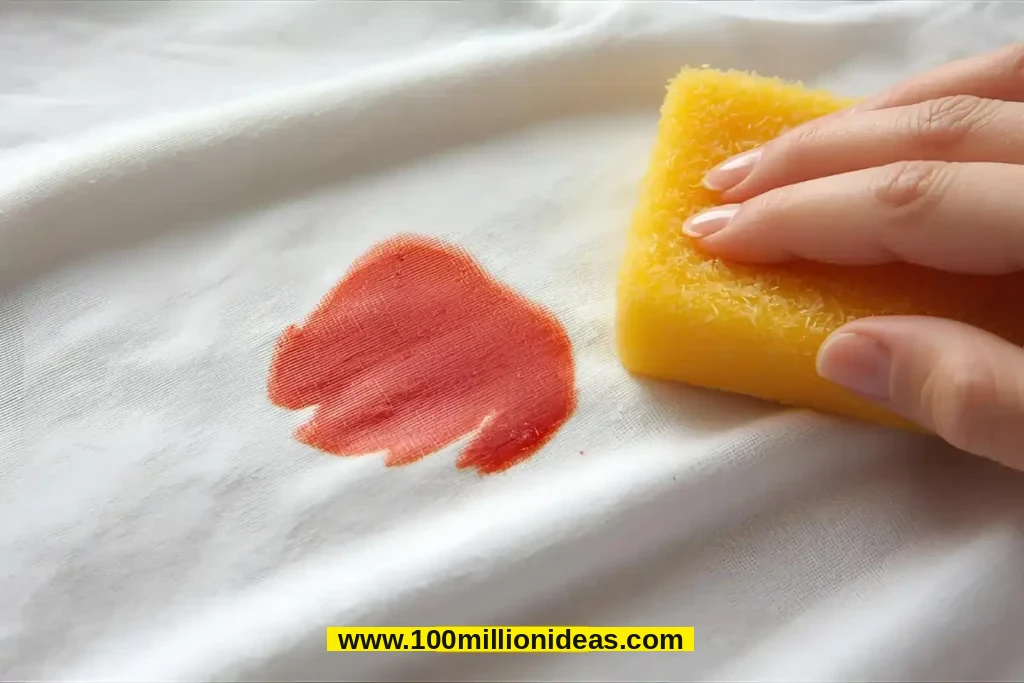
Here are some safety tips to know how long does super glue take to dry when using it:
- Protect Your Skin – Super glue can bond skin in under 5–10 seconds. Use gloves or a plastic spoon as a tool to prevent sticky disasters.
- Work in Fresh Air – The fumes may seem harmless, but they can cause watery eyes or headaches. Always open a window or use a fan.
- Keep Acetone Nearby – A small drop of acetone nail polish remover loosens glue instantly.
- Avoid Rushing – Do not keep glue with kids or near pets. A second of distraction is enough to cause a mess.
- Store Safely – Keep the tube sealed tightly and out of reach of little hands.
So while you are focusing on how long super glue takes to dry, remember that protecting yourself and your surroundings comes first.
What To Do If Super Glue Doesn’t Dry Properly
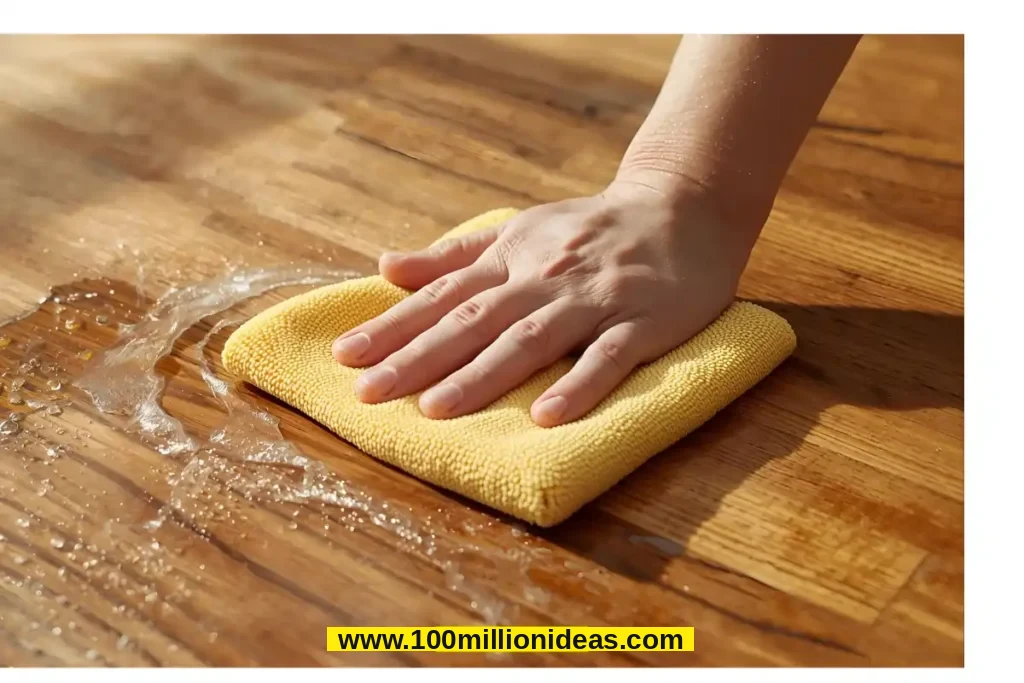
I kept asking myself how long does super glue take to dry, but then I realised it was not about time, it was about conditions:
- Clean Surfaces Well – Oils, dirt, or even fingerprints can block bonding. A quick wipe with rubbing alcohol makes a huge difference.
- Apply Thin, Even Layers – A light coat cures in 30–60 seconds. A thick coat may still feel wet after 10 minutes.
- Add Humidity – Super glue actually reacts with moisture in the air. If it is too dry, press with a wet cloth on the surface.
- Use Gentle Heat – A desk lamp or warm, not hot air, speeds up drying by nearly 40%.
- Don’t Reapply Too Soon – More glue does not mean faster results. In fact, too much creates weak, rubbery bonds.
So if you are still searching about how long does super glue take to dry, fix the conditions instead of blaming the glue.
Final Thoughts: Knowing Exactly How Long Does Super Glue Takes To Dry
From fixing mugs to mending chairs, I have learned that knowing how long does super glue take to dry is key to making repairs.
While it grips in under a minute, the real strength only comes after waiting 12–24 hours.
I once rushed a repair, and it broke again, but patience taught me better.
So, when asked how long does super glue take to dry, my answer is, quick to stick, but stronger with time.
FAQ’s: how long does super glue takes to dry!
1. How long does super glue takes to dry on plastic?
It usually takes 30–60 seconds, but still wait overnight for full strength.
2. Can I speed up the drying process of super glue?
Yes, I once used a desk fan and noticed it set almost 2x faster. Heat and humidity can reduce the time of the drying process.
3. Why is my super glue not drying?
If super glue takes more time to dry and if it feels endless, clean the surface and use less glue.
4. Is super glue safe to use on skin cuts?
Doctors use a medical-grade version, but remember it bonds skin instantly, so be careful.
5. How strong is super glue after it dries?
If you wait for 12–24 hours, the bond can reach up to 4,000 psi, and it holds up for years.