How Do You Clean Unfinished Wood Floors: 11 Simplistic Ways!

Lately, unfinished wood floors have become more and more popular. But once you choose them, the question comes up: how do you clean unfinished wood floors the right way?
Picking the right flooring for your home can be tricky, with so many options on the market. Among them, wooden flooring stands out for its beauty and lasting sturdiness.
But then another question follows: should you go for prefinished or unfinished wood flooring? If you choose unfinished wood flooring, you get the chance to restore its natural look, and in the long run, you can bring it back to life again and again.
In this guide, we are going to explore the best practices for cleaning and reviving unfinished wood floors. Are you ready to learn the facts? Let’s get started!
What Are Unfinished Wood Floors?

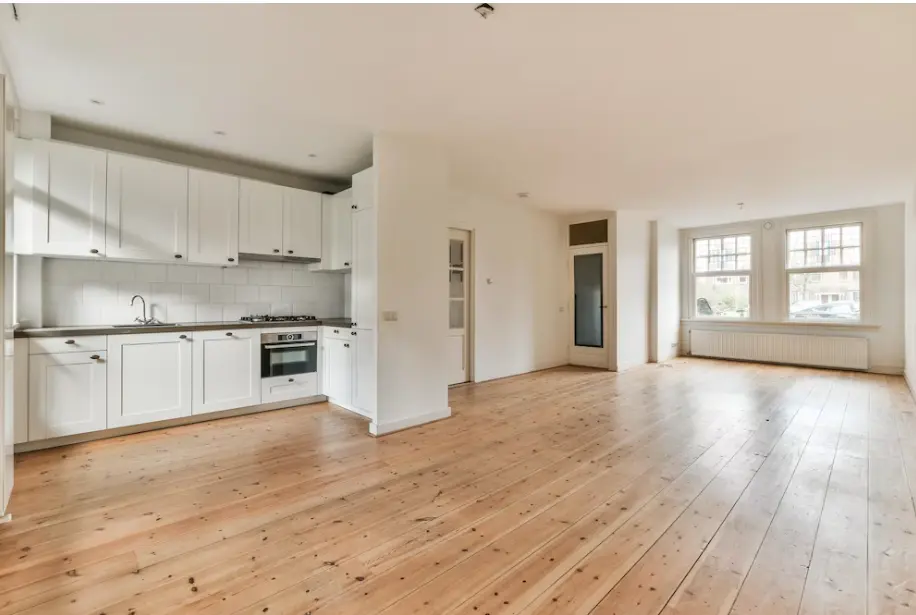
Unfinished wood floors are hardwood floors that lack a surface coating or sealant. They need on-site finishing to achieve a great appearance and protection.
When properly finished, unfinished wooden floors can be long-lasting, even though they need renovation from time to time.
They allow for customization in finishing options, including stains, to suit your decor preferences. Unfinished wood flooring also typically uses fewer chemicals during installation and finishing, making it more environmentally friendly.
And they keep the natural appearance and feel of wood, showcasing its patterns and textures without factory-applied finishes.
Why To Take Care Of Unfinished Wood Floors
Here’s why you should take care of unfinished wood floors:

- To Avoid Discoloration: Regular care prevents discoloration of unfinished wood floors by retaining their natural shade and stopping stains from setting in.
- To Protect Against Damage: Unfinished wood floors have no coatings, making them more sensitive to scratches, stains, and moisture damage. Regular care helps prevent those issues.
- To Prevent Costly Repairs: Neglecting unfinished wooden floors can cause more damage, which leads to expensive repairs or refinishing. Regular care helps you avoid those costs.
- Enhance Health: Clean and well-maintained unfinished wood floors help create a healthier environment by reducing dust, allergens, and hazards.
- Prevent Structural Issues: Proper care protects the wood from warping, shrinking, or swelling, mainly caused by changes in humidity and moisture, which can affect the integrity of the floors.
- To Enhance Safety: Keeping unfinished wood floors clean and well maintained lowers the risk of slips and falls, and ensures a safe living space for family members.
How to protect unfinished wood floors

- Periodic Maintenance: Regular cleaning, including sweeping, vacuuming, and dusting, is important to remove dust buildup and protect unfinished wooden flooring from scratches.
- Water Protect: It’s crucial to clean up spills quickly to prevent water from seeping into the wood, which may cause swelling and damage.
- Scratch Protection: Using rubber pads under furniture legs can prevent scratches while moving different types of furniture.
- Humidity: Controlling humidity helps prevent the expansion or contraction of the wood, which can lead to warping and cracks.
- Cleansing Activity: Using mild cleaners designed for wood preserves its natural look and minimizes wear.
- Added Protectors: Additionally, using curtains or blinds to shield the floor from sunlight helps keep its unique appearance from fading over time.
How Do You Clean Unfinished Wood Floors: 11 Important Ways!
1. Clean Unfinished wood floors by Dry Dusting and Vacuuming
Use a broom with a soft brush or a vacuum cleaner to remove dust and debris from the floor. Do this frequently to prevent scratches, and make sure the broom or vacuum brush is smooth so you don’t push dust back onto the floor.
Vacuuming or dusting should be a regular part of your cleaning routine to keep your unfinished wood floors looking clean and shiny.
2. Inspect and Repair Gaps or Cracks on Unfinished Wood Floors
Inspecting and repairing gaps or cracks on unfinished wood floors is crucial for restoring their appearance.
Check the whole floor regularly for any gaps, cracks, or areas where the wood may have separated or faded, especially during seasonal changes. Find out what is causing the problem, like humidity fluctuations or installation troubles.
Choose a suitable wood filler that matches the floor color, clean the area thoroughly, and let it dry completely.
3. Apply a Layer of Beeswax to Clean Unfinished Wood Floors
Applying a layer of beeswax to unfinished wood flooring is a brilliant way to beautify it, and it also acts as a barrier against scratches.
Start by melting beeswax and applying it as a thin layer with a soft cloth onto the wood in small sections. Let it sit for some time, then buff the waxed area with a sponge to get a smooth, clean finish.
Repeat this process periodically to keep the protective wax coating in place and help the wood retain its look in the long run.
4. Clean Unfinished Wood Floors with White Vinegar and Water
Although vinegar can damage some types of surfaces, it is the most convenient method for cleaning unfinished wood floors when used correctly. A good cleaner is essential to avoid leftover residue and prevent damage to your flooring.
After vacuuming your wood floor, prepare a solution by diluting one cup of vinegar with some warm water and using it as a mopping cleaner.
5. Clean Unfinished Wood Floors with Lemon and water

Lemon offers many of the same benefits as vinegar for cleaning unfinished hardwood floors.
Squeeze a fresh lemon into a bucket of water. Dip your mop or cloth in the cleaner and wring it out well. Clean your unfinished floors with a mop or damp cloth, working with the grain, and air out the room to dry, using fans if needed.
6. Use Baking Soda Paste to Clean Unfinished Wood Floors
Baking soda paste is natural and powerful for cleaning stains or spots and maintaining the look of unfinished wooden floors.
To use this method, start by mixing baking soda with a small amount of water until it forms a paste with a spreadable consistency. Apply the paste onto the stains or spots, gently rub with a sponge, and allow the paste to sit for a few minutes. Then wipe it off with a clean damp cloth.
7. Use Natural oils to Clean Unfinished Wood Floors

Natural oils like jojoba or boiled linseed oil are used as the best finishers for old unfinished wood floors to protect them against damage, but you can also use them in the cleaning phase. Oils are excellent for breaking down gunky residue on an unsealed floor.
Apply oil directly to your microfiber mop or cloth and rub it on the unfinished wood floor. Let the oil sit for 10-15 minutes, then go over it again with a dry mop or cloth to polish and remove excess oil.
8. Clean Unfinished Wood Floors With Tea
Did you know black tea can also be used to clean unfinished wood floors? Strange, right?
Take some bags of black tea in warm water, allow it to cool, and pour it into a bucket. Add a few drops of mild dish soap to the tea, dip a soft cloth or mop in it, and clean the wood floor.
The compounds in black tea naturally restore the wood’s color and shine. This technique is not only effective for cleaning but also useful for boosting the value of unfinished wooden floors.
9. Clean Unfinished Floors With White Toothpaste
Using white toothpaste for cleaning unfinished wood flooring is a simple and effective approach for handling stains and marks.
Apply a dab of white toothpaste to the affected area. Use a soft cloth and gently rub the stain, allow it to settle for a moment, then wipe the toothpaste away with a cloth. This approach is powerful for removing stains and marks without harming the wooden floor.
10. Use Cornstarch For Greasy Spots On Unfinished Wood Floors

Cornstarch is a gentle and effective method for greasy spots on unfinished wood floors. Just start by sprinkling it on the affected area.
Leave the cornstarch to sit for at least 15-20 minutes to absorb the grease. During this time, the cornstarch works to draw oil out of the wooden flooring.
After waiting, use a soft brush or a vacuum cleaner, then clean with water and wipe the area to remove any remaining residue. This method is gentle on the wood surface while effectively tackling greasy spots, leaving your unfinished wood floors refreshed.
11. Regularly Rotate Rugs and Furniture
Regularly changing the positions of rugs and furniture is essential for keeping unfinished wood floors looking consistent.
Over time, areas that receive direct sunlight will fade more quickly than others. By periodically rotating rugs and furniture, you can spread light exposure evenly across the floor, helping to prevent uneven fading.
This simple trick extends the lifespan of your wood floors and protects their natural beauty.
How to Remove Stains on Unfinished Wood Floors Instantly!
These are simple but effective steps you can follow to remove stains from your unfinished wood floors while keeping the floor looking new. Let’s start!

Step 1: Identify the Type of Stain
First, identify the character of the stain on your unfinished wooden floor, like water, beverage, or food, and follow the proper cleaning approach for that type of stain.
Step 2: Sand the Stained Area
Use sandpaper and rub gently on the stained area. Sand with the grain of the wood to avoid scratches. This process removes the surface layer of the wood where the stain sits and prepares it for cleaning.
Step 3: Create a Cleaning Solution
For water or urine stains: Mix hydrogen peroxide and water in equal amounts in a small bowl. Apply this mixture to the stained area using a soft cloth or sponge, and gently rub the stained region.
For food or grease stains: Mix white vinegar with baking soda and prepare a paste. Apply the paste directly onto the stain, allow it to sit for a couple of minutes, and clean it with a sponge.
Step 4: Rinse and Dry
After applying the cleaning solution or paste, rinse the area thoroughly with a soft, damp cloth to remove any residue. Make sure the wood is dry before moving to the next step, and use a soft, dry cloth to blot excess moisture if needed.
Step 5: Repeat if Necessary
For stubborn stains, you can repeat the cleaning process several times. Always let the wood dry completely between applications so you can judge how well each cleaning worked.
Step 6: Final Cleaning
Once the stain is removed, clean the entire floor using a wood floor cleaner specifically designed for unfinished wood. Follow the manufacturer’s instructions and drying times to get the best results.
Step 7: Apply Wood Finish
If necessary, after the floor is thoroughly cleaned and dried, consider applying a suitable wood finish or oil. This step not only brings out the natural beauty of the wood but also adds a protective layer against future stains.
Do’s and Don’t For Cleaning Unfinished Wood Floors
Do’s:
- Immediate Spill Cleanup
- Regular Dusting
- Use Gentle Cleaning Solutions
- Protect Against Sunlight
- Dry Thoroughly
- Inspect Regularly
Don’ts:
- Avoid Harsh Chemicals
- Don’t Soak the Floor
- Skip the Steam Mop
- Don’t Drag Furniture
- Skip Using Harsh Scrubbing Tools
- Don’t Let Water Sit on the Floor
FAQs On how do you clean unfinished wood floors

1. can you steam-clean unfinished hardwood floors?
No, you should not steam-clean unfinished hardwood floors, as they absorb moisture due to the lack of a protective seal. Steam can cause damage, swelling, or warping.
2. can you leave hardwood floors unfinished?
Yes, hardwood floors may be left unfinished. Unfinished hardwood floors are built without any stain or protective coating. They need regular maintenance, as they get damaged by moisture and stains more easily than finished hardwood floors.
3. what can I use to clean unsealed wood floors?
For unsealed or unfinished wood floors, you should avoid using water or liquid cleaners, as they could harm the wood. Instead, use a dry or damp mop to remove dust and dirt. You can also use a wood cleaning product by following the instructions.
4. How Often to Clean Hardwood Floors?
Clean hardwood floors at least once a week to remove dust and dirt. Adjust your cleaning schedule based on visitors and household activity for the best maintenance.