How To Store Sourdough Bread Right In All Seasons! (11 Pro Tips)

We all love sourdough bread, right? But knowing how to store it the right way is the real secret to enjoying every last slice.
Unlike ordinary loaves, sourdough is crisp on the outside, soft and chewy on the inside, with a tangy flavour all its own.
Store it wrong, though, and that magic disappears fast. Don’t worry — this guide answers the questions that matter most.
Here are simple, practical tips to keep your sourdough tasting its best, day after day. Let’s get started!
Why Is It Important to Store Sourdough Bread Correctly?
Sourdough is special because it is naturally fermented and made without preservatives.
That is exactly why the way you store it matters so much. Let’s look at what is at stake!

What makes sourdough bread different from regular bread?
Sourdough is made with a live culture and goes through a long, slow fermentation.
That slow ferment is what gives it its tangy flavour, chewy crumb, and crackling crust — qualities other breads simply don’t have.
Because it contains no preservatives, it can turn stale or grow mould far quicker than a shop-bought loaf.
That is why storing it properly is so important. Get it wrong and you lose everything that makes sourdough worth baking.
How does storage affect taste, texture, and shelf life?
Poor storage can turn a beautiful loaf dry, rubbery, or mouldy within a day or two.
Good storage keeps the inside soft, the outside crunchy, and the flavour intact.
It also stretches the loaf’s life. Stored well, sourdough stays fresh for 3–5 days — and even longer with the right method.
How Should You Handle Sourdough Bread Right After Baking?
Fresh from the oven, sourdough needs a little time to settle before you wrap it or cut into it.
Here is why handling it correctly in those first hours matters so much.

Why is it important to let your sourdough cool completely?
Straight out of the oven, the centre of your loaf is still full of steam.
That steam has to escape fully. Trap it inside and the crumb turns damp, creating the perfect conditions for mould.
Let the loaf cool for at least an hour on a wire rack so the crumb sets and the moisture balances out naturally before you store it.
How to Store Sourdough Bread Overnight?
Keeping sourdough overnight is easy once you know the basics:
Is it better to leave sourdough at room temperature or refrigerate it?
For overnight storage, room temperature wins — unless your kitchen runs very hot.
The fridge actually speeds up staling, drying your bread out much faster than the counter will.
Pick a cool, dry spot such as a pantry shelf or the worktop. If you can, set the loaf cut-side down on a wooden board and cover it loosely with a clean towel.

Which is better for short-term storage?
Three breathable options beat plastic every time:
- Clean cloth: lets air circulate, which helps the loaf stay fresh.
- Paper bags: soak up extra moisture without drying out the crumb.
- Beeswax wraps: balance moisture and freshness beautifully, and they are reusable too!
Should you use a sourdough bread box or a storage container to store it?
Bread boxes might feel old-fashioned, but they are still one of the best tools for keeping sourdough fresh.
Here is why they work so well:
What are the benefits of using a sourdough bread box?
A good bread box shields your loaf from air, sunlight, and humidity.
It keeps sourdough fresh for up to 3 days, protecting it from sogginess on one side and mould on the other.
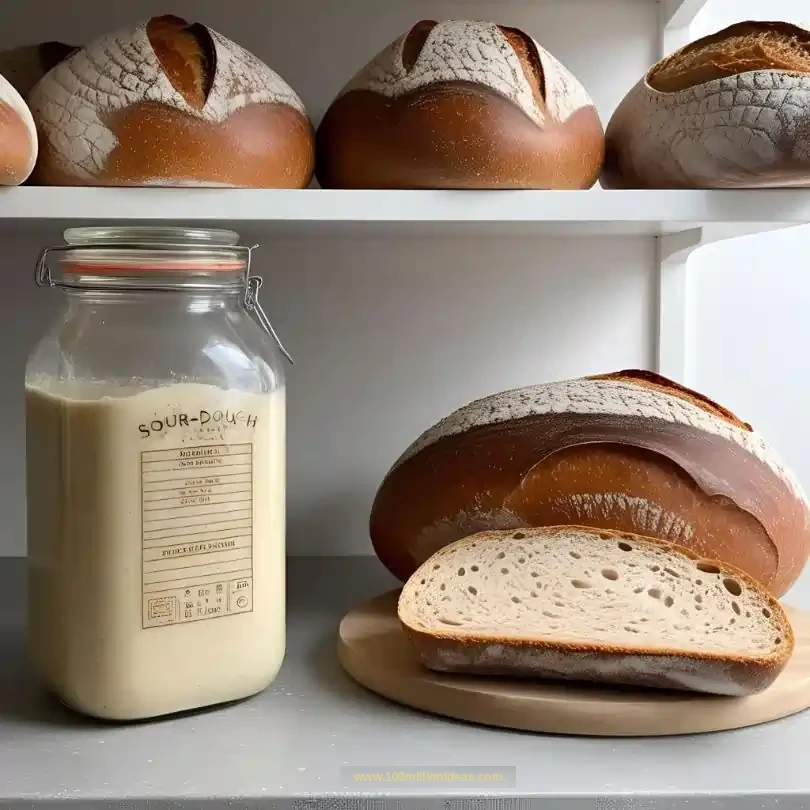
How do storage containers compare to traditional bread bags?
Plastic containers trap moisture and spoil bread, while paper bags can dry a loaf out too quickly.
I have tried both, and neither one matches the balance a bread box gives you.
If you don’t own one, a linen bag or a clean towel wrapped around the loaf works well too.
Can You Refrigerate and Store Sourdough Bread?
Sometimes the fridge is unavoidable — but there is a right way and a wrong way to use it.
How long does sourdough bread last in the fridge?
In the fridge, sourdough lasts about 3–5 days, but only when it is wrapped well.
Left unprotected, it dries out quickly and turns rubbery.
Wrap it properly, then tuck it into a drawer so it stays fresh for as long as possible.

How to keep sourdough bread from drying?
Always wrap your bread before it goes into the fridge.
Beeswax wraps are an excellent choice, and a clean towel or paper bag works too.
Never put bread straight into a plastic container — it locks in moisture and spoils the loaf.
What’s the Best Way to Freeze Sourdough Bread?
Freezing is the best way to keep sourdough fresh for the long term.
It is easy, and done right, your bread will taste wonderful even weeks later.

Should you freeze whole bread or sliced sourdough bread?
Both work, but I recommend slicing before freezing — it is far more convenient.
I always slice my loaf, wrap the slices in parchment paper, and slip them into a freezer-safe bag.
Then you can pull out one or two slices at a time, with no need to thaw the whole loaf.
It is perfect for quick breakfasts or toast alongside a bowl of soup.
How do you prevent freezer burn and maintain flavor?
Freezer burn happens when air reaches the bread and dries it out.
To stop it, wrap the bread tightly in foil or plastic wrap first, then place it in a sealed zip-top freezer bag.
Squeeze out as much air as you can before sealing.
When you are ready to eat, toast a slice or warm the whole loaf in the oven. It comes out warm, crisp, and just as tasty as on day one!
How to Store Homemade Crusty Sourdough Bread?
That crunchy crust is the best part of a sourdough loaf, and the wrong storage can steal it away.

What’s the ideal environment for preserving that crispy crust?
To keep the crust crunchy, your bread needs airflow — so no plastic and no sealed containers.
Instead, keep it somewhere dry at room temperature. Wrap it loosely in a linen towel or beeswax wrap.
Set it on a wooden board or inside a bread box. That keeps the crust dry and crisp while slowing the crumb from drying out.
Do beeswax wraps or linen bags help retain texture?
Yes, absolutely! These breathable materials let in just the right amount of air so the crust stays crisp instead of going soft.
Beeswax wraps are reusable and natural, and they genuinely work. Linen bags are another great choice if you bake bread regularly.
They are simple but effective, and they help your loaf stay fresh and delicious.
How Does Climate Affect Sourdough Bread Storage?
Did you know hot, sticky weather can make sourdough spoil much faster?
If you live somewhere humid, you will need to adjust how you store your bread.

Best method to store sourdough in humid weather
Humidity makes bread go mouldy fast, so keep your loaf in a dry, cool place away from direct sunlight, windows, and the stove.
Use breathable wraps like linen or beeswax so air can move, and skip plastic, which traps moisture.
In humid summer months, bread can go mouldy in just two days.
Only keep out what you will eat, and freeze the rest straight away during summer.
The best method to store sourdough in tropical weather
In tropical places, bread simply won’t last long at room temperature.
I recommend slicing the loaf and freezing half of it right after it cools, then pulling out slices as you need them.
That way nothing goes to waste. It is simple, effective, and keeps fresh sourdough on hand whenever you want it.

Common Mistakes to Avoid in Storing Sourdough Bread
Sometimes small habits are what turn bread stale or soggy.
Let’s avoid them together!
Storing warm bread
This is one of the most common mistakes. Don’t wrap sourdough before it has cooled completely.
Wrapping it warm traps steam, which softens the crust and invites mould.
It is tempting to wrap it up to keep it fresh, but the best thing you can do is let the loaf cool fully on a rack before storing it.
Storing in plastic bags or improper wrapping

Plastic bags might seem convenient, but they lock in moisture and spoil the bread, raising the chance of mould.
You end up with a soft, chewy crust instead of a satisfying crunch.
Sloppy wrapping — loose plastic or too little airflow — can dry the loaf out instead.
Always reach for cloth, paper, or beeswax for a far better result.
How Can You Store Sourdough Bread Sustainably and Reduce Waste?
Here are a few tricks to store sourdough sustainably and cut down on waste:
Swap plastic wrap for beeswax wraps, cloth towels, or linen bread bags.
They are reusable, breathable, and just as effective. They keep my bread fresh while cutting down on waste.
Stale sourdough is still useful, too. Turn it into French toast, croutons for soup, or even bread pudding.
There is always a way to reuse sourdough bread — nothing has to go in the bin.
Conclusion: How to store sourdough bread?

Now you know the best ways to store your sourdough bread, it is time to put these tips into practice.
Whether you freeze it, keep it at room temperature, or protect that crunch, these simple methods will help you.
Enjoy fresh, delicious sourdough for days. Happy baking and storing!