Festive Christmas Charcuterie Board

A festive Christmas charcuterie board is the easiest kind of party food: beautiful, generous, and made for grazing. There is no recipe to follow in the usual sense, just a little planning and a good mix of flavors. Salty meats, creamy cheeses, sweet fruit, crunchy crackers, and a few holiday touches come together into something that looks like you spent hours on it, when really you spent twenty minutes arranging. It is perfect for Christmas Eve, a holiday open house, or any evening when guests are coming and going.
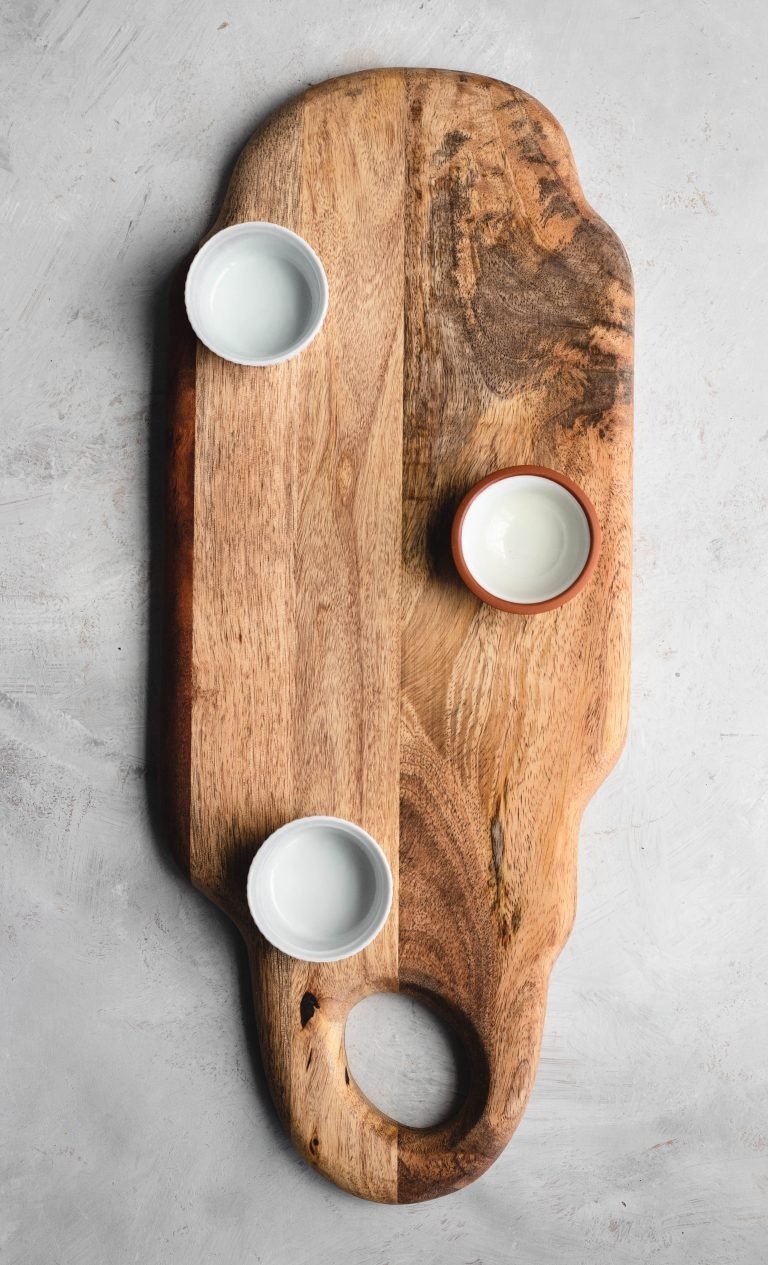
The secret to a board that actually gets eaten, rather than just admired, is balance. You want one soft cheese, one firm cheese, one strong cheese, one mild meat, one rich meat, something sweet, something salty, and something crunchy. That mix means every guest finds something they like, and every bite can be a little different. I also like to put the small bowls on first, before anything else, because they anchor the board and stop the whole arrangement from sliding around when people start serving themselves.
Servings: 10 to 12 people as an appetizer Prep time: 25 minutes Cook time: None Total time: 25 minutes

Ingredients
- 8 ounces sharp cheddar cheese, sliced or cubed
- 8 ounces Brie cheese, cut into wedges
- 6 ounces Gouda cheese, sliced
- 4 ounces blue cheese or goat cheese
- 8 ounces salami, sliced
- 6 ounces prosciutto, loosely folded
- 4 ounces pepperoni or soppressata, sliced
- 1 cup green grapes
- 1 cup red grapes
- 1/2 cup dried cranberries
- 1/2 cup dried apricots
- 1 cup assorted crackers
- 1/2 cup breadsticks
- 1/2 cup mixed nuts, such as almonds, walnuts, and pecans
- 1/2 cup olives, mixed
- 1/4 cup whole grain mustard
- 1/4 cup honey
- 1/4 cup fig jam or apricot jam
- Fresh rosemary sprigs, for decorating
- 1 small bunch of fresh cranberries, for decorating (optional)
Choose cheeses with different textures so the board feels varied. Brie is soft and creamy, cheddar is firm and sharp, Gouda is smooth and mild, and blue cheese or goat cheese adds a strong, tangy note for guests who like bold flavors. For the meats, salami is reliable and easy to fold, prosciutto is delicate and salty, and pepperoni or soppressata adds a little spice. Buy the meats sliced thin, because thin slices fold and drape much better than thick ones.
How to Make It
- Choose a large board, at least 18 inches across. A wooden board, a marble slab, or a large baking sheet lined with parchment all work well. If you are using a baking sheet, the parchment keeps the board clean and makes serving easier.
- Place small bowls on the board first. Put the mustard in one, the honey in another, and the jam in a third. Space them out so they anchor different areas of the board, forming a loose triangle. This step matters more than it looks: once the bowls are set, the rest of the board builds itself around them.
- Add the cheeses next. Place the Brie in one corner, the cheddar in another, and the Gouda and blue cheese in between. Leave room around each cheese so guests can cut and serve themselves easily. If you leave the Brie whole and cut a wedge or two from it, guests can see how soft it is inside.
- Fold the salami slices into quarters and arrange them in a flowing line across the board. Drape the prosciutto in loose folds near the cheeses, and fan the pepperoni out in a small pile. Try to vary the shapes: folded salami, draped prosciutto, and fanned pepperoni look much better than three neat piles.
- Fill the larger gaps with grapes. Place clusters of green grapes on one side and red grapes on the other so the colors balance across the board. Leave the grapes on the stem in small clusters where you can — they look better that way and they are easier to pick up.
- Add the crackers and breadsticks in small groups around the edges. Stand breadsticks upright in a small jar if you like, or lay them in a neat stack. Do not put all the crackers in one place; spread them around so guests on every side of the board can reach them.
- Tuck dried cranberries, dried apricots, olives, and nuts into the remaining small gaps. These fillers make the board look full and give guests plenty of little bites to pick up. Work in small handfuls and try to spread the colors evenly: a little red here, a little orange there, a few nuts in between.
- Decorate with fresh rosemary sprigs tucked between the cheeses and meats, and scatter a few fresh cranberries around the board for a festive touch of red. The rosemary adds scent as well as color, and it makes the board smell like Christmas when guests lean in.
- Set out small cheese knives, cocktail picks, and a honey dipper beside the board. Add a small pile of napkins nearby. A honey dipper is worth using if you have one, because honey poured from a jar gets sticky fast.
- Serve at room temperature. Let the board sit out for about 20 minutes before guests arrive so the cheeses soften and the flavors open up. Cold cheese tastes muted, while cheese at room temperature tastes full and creamy.
Serving
Set the board in the center of the table or on a sideboard where guests can gather around it. Put drinks nearby so people do not have to leave the board to get a refill. This board works as a first course before dinner, as the main food at an open house, or as a late-night snack after dinner. If it is the main food, plan on a generous amount per person and keep extra crackers and bread in the kitchen for refills. A good rule is to refill from the edges and the gaps, rather than rebuilding the center, so the board keeps looking full all evening.
Variations
For a vegetarian board, leave out the meats and add roasted vegetables, hummus, marinated artichokes, and extra cheeses. For a sweeter board, add more dried fruit, chocolate pieces, and honey, and swap the blue cheese for a mild goat cheese. For a gluten-free table, use gluten-free crackers and breadsticks and check the labels on the meats and jams. You can also make a smaller board for four people by halving every quantity and using a board about 12 inches across. The same principles apply at any size: bowls first, cheeses next, meats after that, then fillers and decoration.
Tips & Storage
Prepare the board up to 2 hours ahead and cover it loosely with plastic wrap, keeping it in a cool spot. Add crackers at the last minute so they stay crisp, because crackers left on a board for hours pick up moisture from the fruit and cheese and go soft. Store leftovers in separate airtight containers in the fridge for up to 3 days. Wrap cheese and meat tightly, wash and store fruit separately, and put crackers back into a sealed bag. Do not leave a board with meat and cheese out at room temperature for more than 2 hours. If the party runs long, put the board back in the fridge for a while, or make a second, smaller board to replace it.
Frequently Asked Questions
How much meat and cheese do I need per person? Plan on about 2 to 3 ounces of cheese and 2 ounces of meat per person when the board is an appetizer, and a little more if it is the main food. It is better to have a generous board with a few gaps filled by fruit and nuts than to skimp on the cheese and meat.
Can I make a charcuterie board the day before? You can prepare the ingredients the day before — wash the fruit, cut the cheese, and portion the nuts and dried fruit — but assemble the board on the day you serve it. Assembling ahead makes the crackers go soft and the cheese dry out.
What crackers work best? Use a mix of shapes and flavors: water crackers, butter crackers, and a seeded cracker or two. Avoid very thin crackers that break when guests spread soft cheese on them, and avoid heavily flavored crackers that overpower the cheese.
You may like to read!
- https://100millionideas.com/christmas-party-food-ideas/
- https://100millionideas.com/best-christmas-gift-basket-ideas/
- https://100millionideas.com/last-minute-christmas-gifts/
- https://100millionideas.com/christmas-party-minute-to-win-it-games-for-adults/