Is Water Dripping From AC Dangerous? What You Need to Know!

“Is water dripping from AC dangerous?” If you are asking that, you are probably dealing with the same problem. A steady drip may look minor, but it can affect your whole home.
As the saying goes, a small leak can sink a great ship. What starts as a tiny drip can lead to mould, electrical hazards, and damage to walls and floors. Here is what you need to know — and what to do about it.
Can an AC Leak Be Dangerous?

Yes. Water dripping from an AC is dangerous. Here are five risks you should not ignore:
1. Electrical hazards: Leaking water can reach nearby sockets or hanging wires and create a risk of electric shock.
2. Mould growth: Standing water creates damp conditions that encourage mould, which can worsen allergies and breathing problems.
3. Structural damage: Continuous dripping can weaken walls, ceilings, and floors, eventually causing structural damage.
4. Slip and fall risk: Water that collects on the floor overnight increases the risk of slipping and injury.
5. Insect infestation: Pooled water becomes a breeding ground for mosquitoes and fruit flies, which can spread infection.
Common Causes of AC Water Leaks in the House

1. Clogged Drain Pipe
A clogged drain pipe blocks the water that collects from the evaporator coils. As the pipe fills, water backs up and leaks inside your home.
2. Faulty Drain Pan
With continuous use, the drain pan can rust and crack, letting water escape into the vent and back into the room.
3. Dirty Air Filters
This is one of the most common causes. Dirty filters restrict airflow, causing ice to form on the coils. When the ice melts, water leaks into your home.
4. Broken Pump
The condensate pump moves collected water to the drain. If it fails, water builds up and leaks back through the airflow vent.
5. Improper Installation
Poor installation can cause incorrect tilt, wrong drain lines, and misaligned parts. All of these can lead to slow cooling as well as water dripping from the AC.
Common Causes of AC Water Leaks Outside

1. Low Refrigerant Levels
Low refrigerant can make the cooling coils freeze. The excess water then leaks from the indoor or outdoor unit.
2. High Humidity
High humidity puts extra load on the condensate pump, which can result in additional water flowing outwards.
3. Improper Slope of the Unit
If the outdoor unit is not installed on a proper slope, water can pool and leak from the unit, creating a risk of electric shock.
4. Faulty or Broken Float Switch
The float switch in the condensate pan is designed to shut off the AC when the water level gets too high. This feature is only available in some models — others may simply overflow.
5. Insufficient Insulation
If the insulation on the refrigerant lines is damaged, condensation forms and water starts dripping from the outdoor unit. Check the insulation on all pipes and replace it if needed.
What to Do if Your AC Is Leaking Water: Step-by-Step Guide
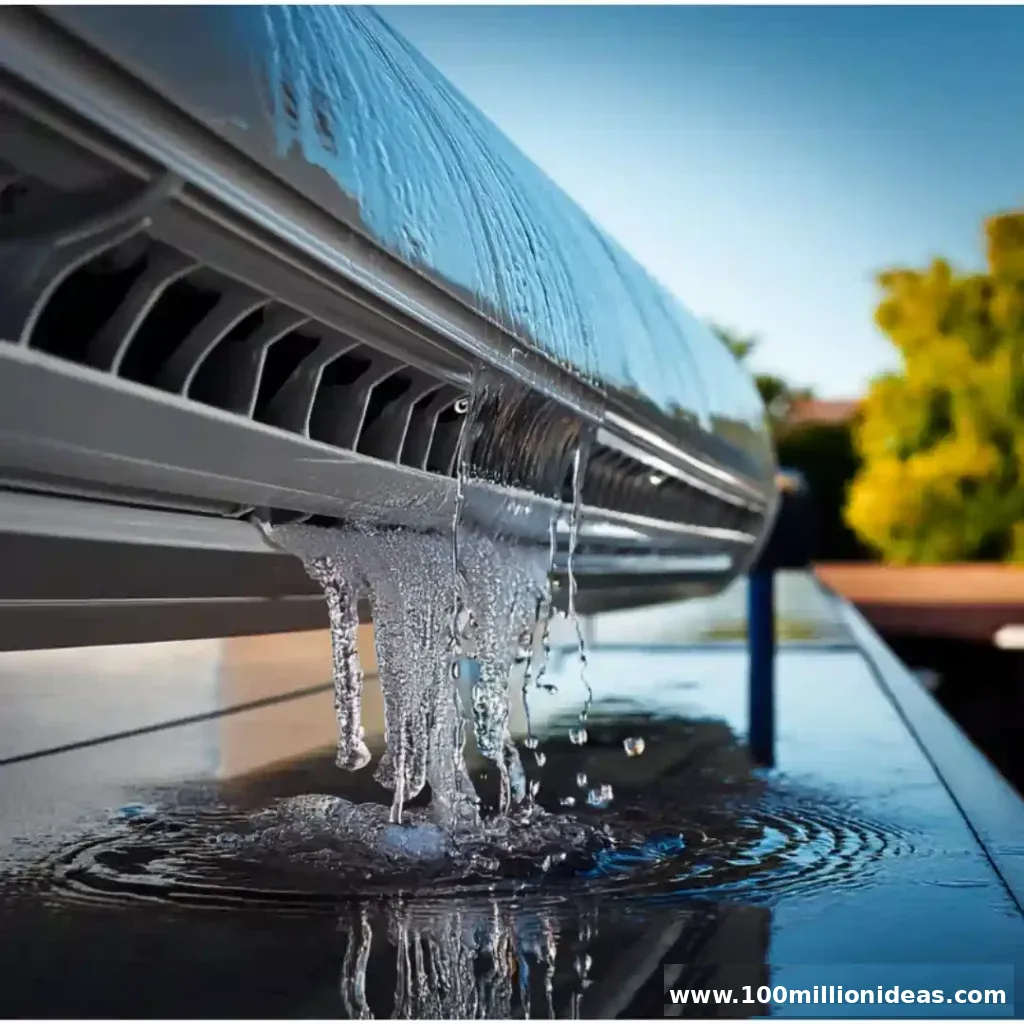
1. Turn Off the AC
Turn the AC off at the thermostat and switch off the power at the circuit breaker to prevent further damage.
2. Check the Drain Line
Look for blockages in the drain line. Check whether the vacuum tube is wet or dry to get a clue about where the blockage is.
3. Examine the Drain Pan
If the tube is dry or hard to reach, check the drain pan for cracks or rust.
4. Inspect the Air Filters
Air filters are a main cause of dirt build-up and clogging. Replace them if needed and make sure airflow is clear.
5. Check the Condensate Pump
This pump is central to how the AC works. If it seems faulty, contact a professional.
6. Verify Frozen Coils
Frozen coils are a hidden cause of water leaks. Check this unit if you suspect it is involved.
7. Confirm Proper Installation
Check whether the AC unit is fitted properly. If there are installation issues, contact customer support.
8. Inspect Refrigerant Leaks
If you hear hissing sounds or see heavy ice build-up, contact an HVAC technician immediately — these are warning signs of a gas leak.
9. Monitor the System
After fixing the issue, turn the AC back on and watch for any continued leakage. If the problem persists, consult a professional HVAC technician.
Is My AC Leaking Water or Refrigerant?

Telling the two apart matters, because the fix is different.
Signs of a refrigerant leak:
- Reduced cooling performance
- Hissing and bubbling sounds
- Ice on refrigerant lines
- A noticeable rise in energy bills
- Oily residue around installed areas
Signs of a water leak from the AC:
- Visible water pooling
- Condensation on the AC unit
- Drain line leakage
- Humidity and mould growth
- Frozen evaporator coils
Friendly tip: Regular maintenance and timely inspections can prevent both types of leak and keep your AC lasting longer.
Is It Safe to Use AC When Water Is Leaking?

No, it is not safe to use the AC after you notice a leak. Water leaks can cause electric shocks and damage other property, and they encourage mould growth, which is harmful to health. Turn the unit off and fix the problem first.
Is Water Dripping From AC Dangerous: DIY vs Professional Help?
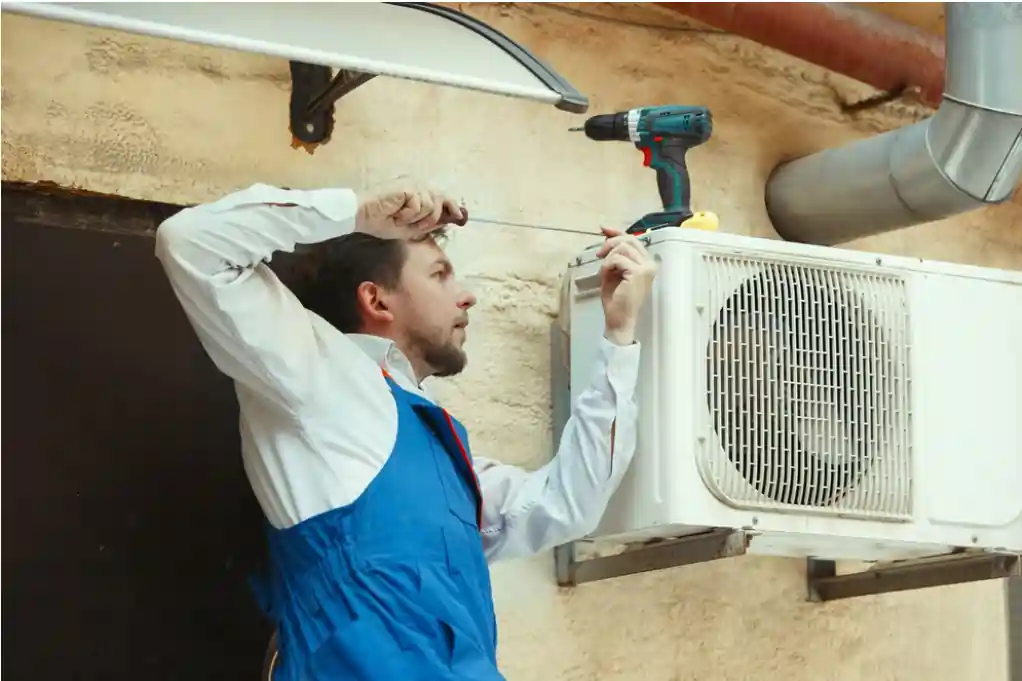
Water dripping from an AC can be dangerous, as it may point to blocked drains or refrigerant issues, leading to mould, water damage, or electrical hazards. DIY fixes such as unclogging drains can work temporarily, but persistent problems need professional help. Regular maintenance is essential for safe and efficient operation.
Is Water Dripping From AC Dangerous: FAQs

1. How do I know if my AC is leaking gas?
You may notice reduced cooling, hissing sounds, and a pungent smell.
2. Why is my air conditioner leaking water inside the apartment?
This is usually due to a clogged drain pipe, dirty air filters, or low refrigerant levels, all of which need attention to prevent water damage.
3. Is water dripping from a car AC dangerous?
Yes. Water dripping from a car AC can mean a clogged drain tube, which may lead to mould growth or damage to the vehicle’s interior.
4. Should I turn off my AC if it is leaking water?
Yes. Turn it off to prevent further damage and address the issue, whether it is a clogged drain or a refrigerant problem.